


Devolution not about more powers for politicians, says Welsh Labour leader
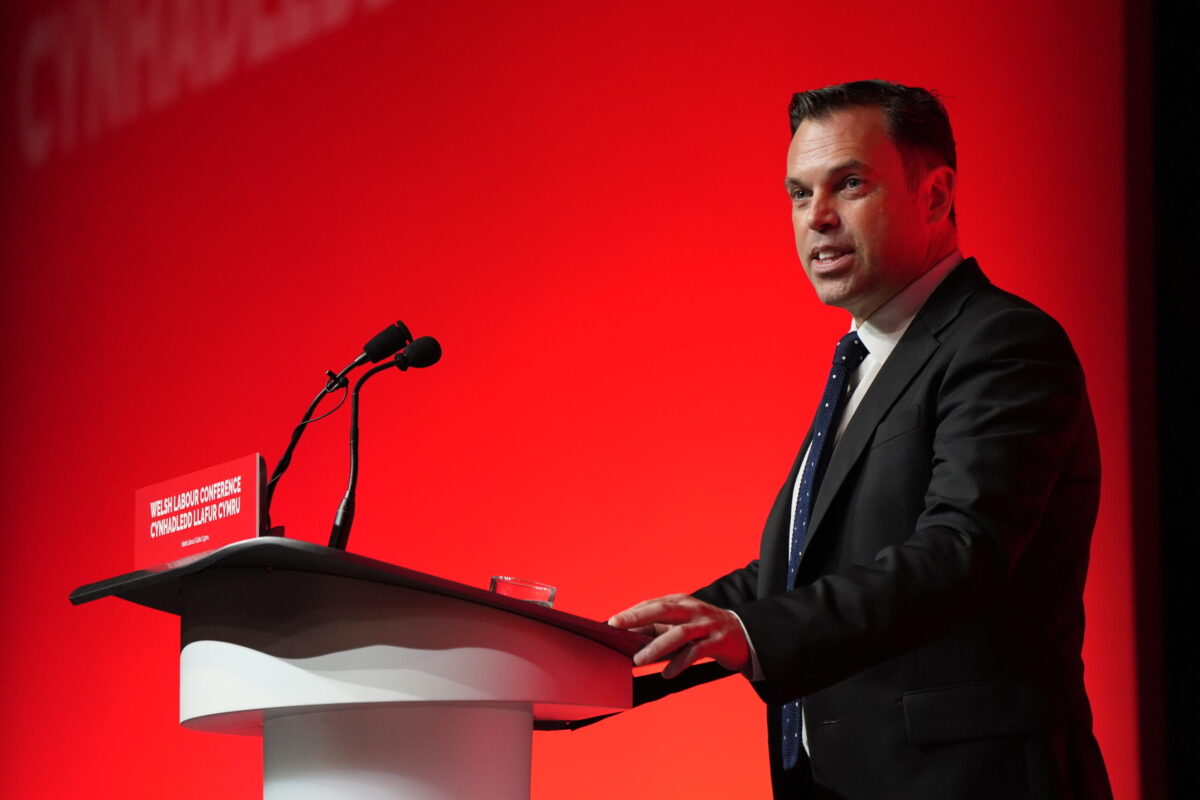
The leader of Welsh Labour has suggested “more powers for politicians” is the wrong approach to devolution, calling for the transfer of powers at a local level.
Ken Skates, who became leader after a devastating result for the party in May’s Senedd election, said the next chapter of devolution should be about “moving power closer to people”.
Labour dominated Welsh politics for a century but went from being in power in Cardiff Bay to a distant third place behind Reform UK in May’s polls.
Mr Skates responded in his speech to a report commissioned by the party into its defeat, which he described as “the worst result in Welsh Labour’s history”.
He said: “To the people of Wales and on behalf of my party, I am sorry, I am sorry we fell short on what matters to you most.
“Speaking frankly, we sometimes didn’t prioritise the things that people truly cared about.
“We didn’t make enough impact for those who needed us the most, sometimes angered the electorate, making it easier for people to look for something different.”
He told the conference that moving forward from the defeat did not mean “repudiating the past”.
He said. “For a quarter of a century, we have rightly built Welsh institutions and accumulated powers in Wales.
“But we haven’t always asked the next question – where should that power go?
“It won’t be easy for some to hear, but too much power has been retained in the centre and not devolved onward, where it can make the greatest difference to people’s lives.
“The first great chapter of devolution was about moving power from Westminster to Wales, the next chapter must be about moving power closer to people.”
“No longer should it be assumed that the destination of devolution is only ever Cardiff Bay,” he added.
“It has to be the citizen and there is a bigger argument here about what it means to stand up for Wales.
“Sometimes we’ve treated standing up for Wales as though it simply means seeking more powers for politicians and I reject that test.”
Welsh Labour had advocated in its Senedd election manifesto for devolving power over justice and the Crown Estate to Cardiff Bay.
The report into its defeat found that these ambitions “did not speak to voters on the doorstep, who found themselves more concerned with the economy, cost of living and the NHS”.
It also said campaigners reported “strong anti-Starmer feeling” on the doorstep in the run-up to the election and suggested Mr Burnham’s appointment as Prime Minister would offer a “chance to reset”.
Presenting the report to the conference, academic Professor Anand Menon said: “One of the factors you had to deal with in the election was a remarkably, I mean, an eye-wateringly unpopular Labour government.
“You can see very clearly from that, that at the time from 2024 election onwards, you’re getting more and more people on the doorstep expressing doubts about voting Labour.
“So, it’s partly that national phenomenon that people didn’t like the national government, and obviously that rebounds on the party in Wales.”
He added: “If the national picture was grim in May, it’s far, far more positive now.
“You have a Prime Minister who’s not only better-liked than other politicians, but talks the right language about the nations and about devolution.
“Having a new leader is an enormous opportunity to redefine, reshape the party and revitalise the party.”
Support our Nation today
For the price of a cup of coffee a month you can help us create an independent, not-for-profit, national news service for the people of Wales, by the people of Wales.
Get more trusted Welsh news
Choose Nation.Cymru as a preferred source in Google News to see more of our journalism.


