


Disappointment as Labour drops plans to ban foie gras and fur imports
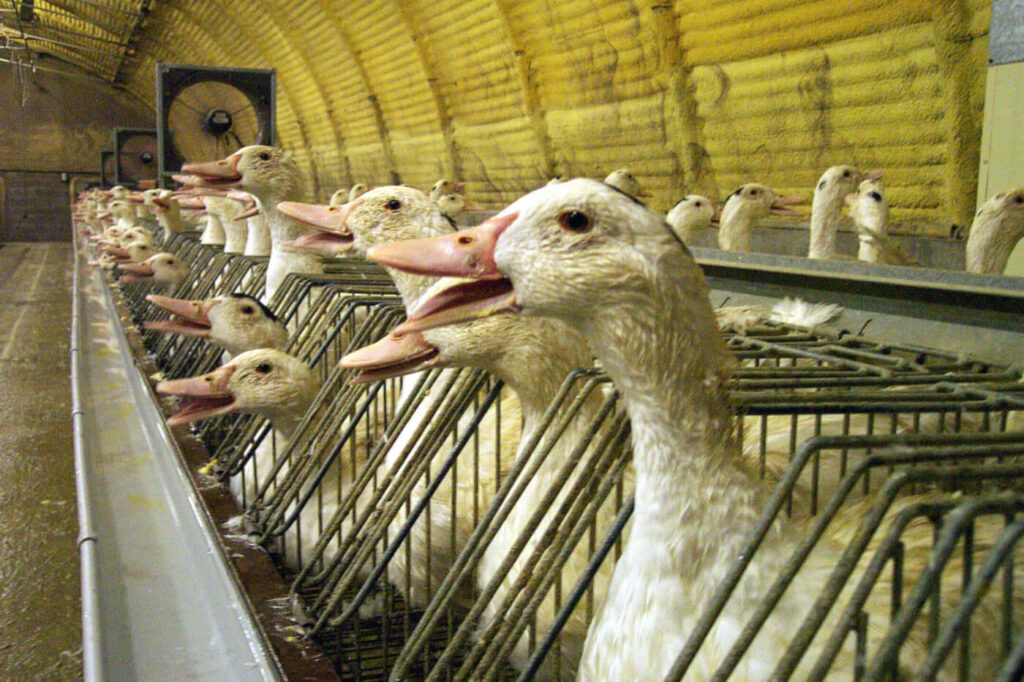
Animal welfare organisations have shared their disappointment at news that the UK government is likely to break its manifesto pledge to ban the import of foie gras and fur into the United Kingdom.
The decision comes amid the UK’s negotiations for a new trade deal with the European Union (EU).
Before the last election in 2024, Labour promised to ban foie gras imports. However, the government already left the foie gras ban out of its animal welfare plan, which was published in December.
Officials now say the EU made the ban a red line in trade negotiations. The EU told the UK that banning these products would be a problem for trade talks. The UK government decided to leave the ban out to make negotiations with the EU smoother.
According to a Guardian report, “sources close to the discussions between the UK and EU said the UK was ready to drop the foie gras import ban, as there were other sticking points of higher priority, such as precision breeding of crops. Ministers say that is more likely to boost the economy than banning imports of foie gras and fur.
“The government left a foie gras ban out of its recently launched animal welfare plan. It also released its response to a consultation on a fur ban at the end of last month.”
Foie gras is a food product made from the liver of a duck or goose. To produce “foie gras” (the French term means “fatty liver”), workers ram pipes down the throats of male ducks twice each day, pumping up to 2.2 pounds of grain and fat into their stomachs, or geese three times a day, up to 4 pounds daily, in a process known as “gavage.”
The force-feeding causes the birds’ livers to swell to up to 10 times their normal size. Many birds have difficulty standing because their engorged livers distend their abdomens, and they may tear out their own feathers and attack each other out of stress.
Because of its cruelty, producing foie gras has been illegal in the UK since 2006, but it can still be imported and sold in shops and restaurants.
Fur farming has also been banned in the UK since 2000. However, fur products made in other countries can currently be imported and sold.
The government asked the public about a fur import ban. 97% of respondents said it was wrong to kill animals for fur, and most wanted a ban. Despite this, the government did not commit to one. Instead, it announced a working group to study the issue further.
Animal welfare organisations say they are disappointed with the decision. They argue that the UK should use its freedom outside the EU to set higher standards for animal welfare, not lower ones.
The EU does not allow its member countries to ban each other’s products on animal welfare grounds. Since leaving the EU, the UK has had the legal freedom to restrict these imports, but has not done so.
The new UK-EU trade agreement is expected to be completed later this year.
Support our Nation today
For the price of a cup of coffee a month you can help us create an independent, not-for-profit, national news service for the people of Wales, by the people of Wales.



Shame on you Labour. This lis extremely cruel and a ban on foie gras has wide support but shows once again, how Starmer capitulates and u turns on any backlash from vested interest groups.
Stop this insane bloody cruelty now.