


Dolphins and puffins among species harmed by bottom trawling, campaigners warn
Rebecca Speare-Cole, Press Association Sustainability Reporter
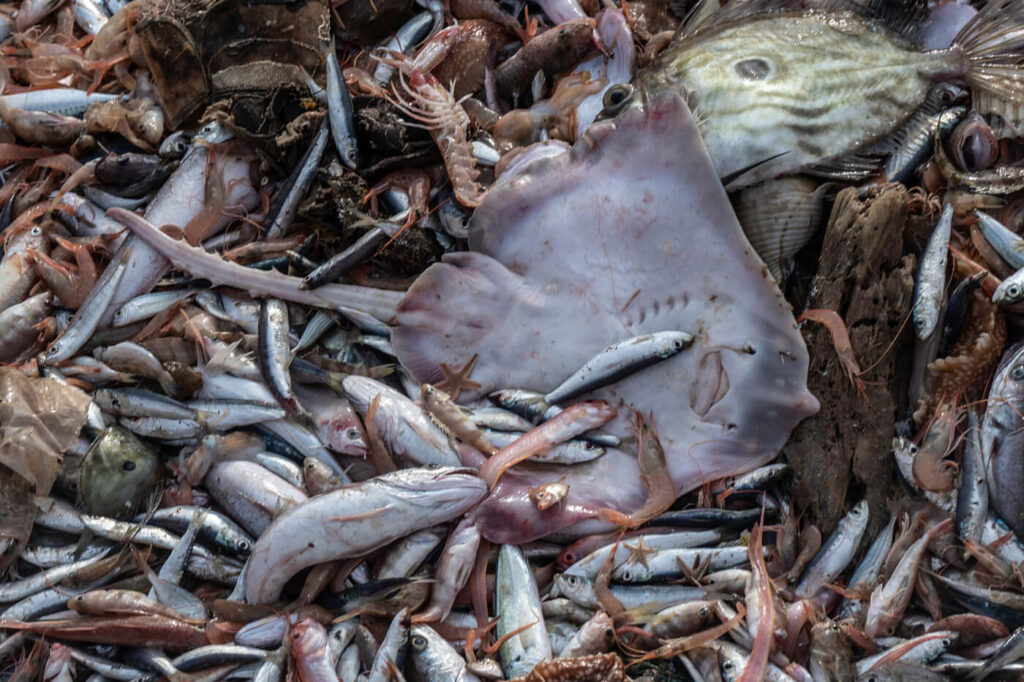
Dolphins, harbour porpoises and puffins are among the species harmed by bottom-trawl fishing, activists have warned as they called for a ban across all marine protected areas.
Bottom trawling sees habitats destroyed by heavy nets being dragged along the seafloor, but it also has wider implications for the entire marine ecosystem, according to a report released by campaign group Oceana UK.
This is because damage to seabed habitats can deplete populations of prey species such as sandeels – small fish that provide crucial food for humpbacks, minkes and kittiwakes.
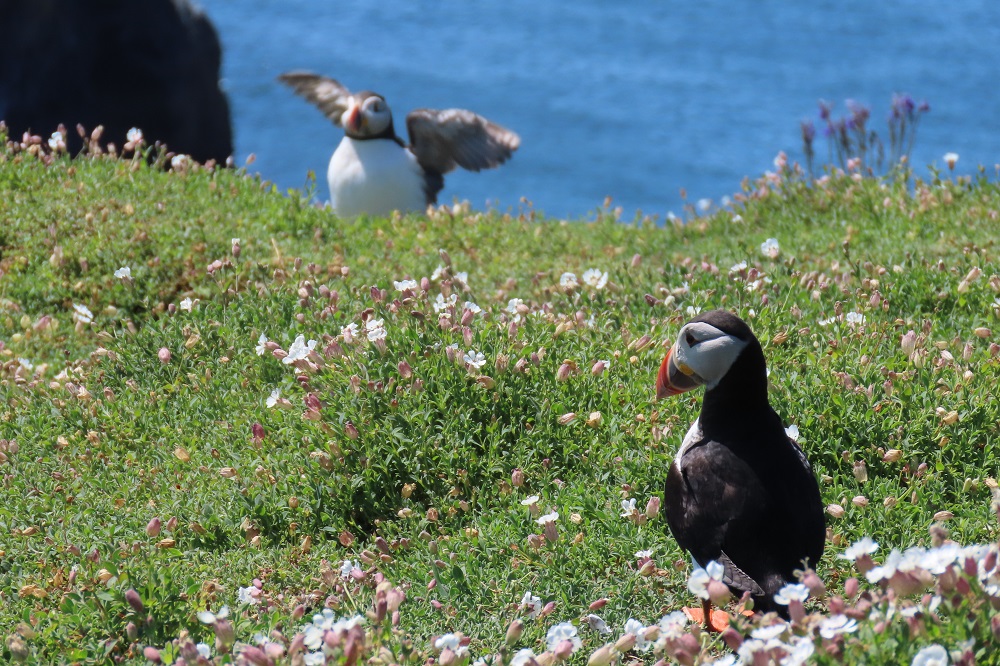
The heavy equipment also creates underwater noise as it scrapes the seabed and generates clouds of disturbed sediment, disrupting feeding for dolphins and porpoises that rely on sound to hunt, as well as puffins and terns, which use sight.
It comes as bottom trawling is permitted and continues in most of the country’s marine protected areas (MPAs) – sections of the sea that have been ringfenced to safeguard wildlife.
Of the 113 MPAs in the UK, none designed for whales, dolphins or porpoises have protections in place from bottom trawling across the whole site, the report said.
The paper also cited an analysis of satellite tracking, which showed there were 30,936 hours of apparent bottom trawling across one harbour porpoise sanctuary – the southern North Sea special area of conservation – in 2025.
The Government last year held a consultation on banning bottom-towed fishing across 41 MPAs.
It has also committed to consulting on proposals for managing bottom trawling in five MPAs designated to protect seabirds and cetaceans.
Alongside its report, Oceana UK is calling on ministers to fully ban bottom trawling across these five areas.
Hugo Tagholm, executive director at the organisation, said: “Our report reveals that the deep harms caused by bottom trawling are not limited to life on the seabed.
“Harbour porpoises, puffins, terns and countless other animals need healthy habitats and abundant prey.
“The Government simply cannot claim that these areas are protected while allowing destructive trawling inside them.
“Areas designated to protect some of our most iconic species are still allowing a destructive activity that the Government’s own assessments identify as a threat.
“This raises a serious question about the credibility of the UK’s marine protection measures and the true extent of its ambitions.”
Mr Tagholm added that the UK has promised to protect 30% of the sea by 2030 as part of internationally-agreed UN nature goals, but risks reducing this to “little more than blue washing”.
“If we are serious about meeting that commitment, protection must exist in practice, not just on paper,” he said.
Meanwhile, Emma Sheehan, professor of marine ecology at the University of Plymouth, said: “Bottom trawling harms seabirds and cetaceans in many ways, directly and indirectly.
“Animals can become trapped in fishing gear, suffering an agonising death.
“But many of the impacts occur through changes to the wider ecosystem.
“Marine protected areas are designed to conserve vital ecosystems and species, and allowing bottom trawling within them undermines the very purpose of their designation.”
As part of the report launch, Oceana UK also commissioned a large-scale projection of bottom trawling footage onto white chalk cliffs at Botany Bay in Kent.
Support our Nation today
For the price of a cup of coffee a month you can help us create an independent, not-for-profit, national news service for the people of Wales, by the people of Wales.
Get more trusted Welsh news
Choose Nation.Cymru as a preferred source in Google News to see more of our journalism.



A strange report conflating England as the UK. The Conservation of Habitats and Species Regulations 2017 applies to England and Wales and it is minsters of the Welsh government who designate conservation species in the 139 MPAs in Welsh waters. Most notable is that whilst puffin populations are in sharp decline in the north sea, in Wales the opposite is the case, as with dolphins and porpoises where there is a thriving habitat.