


Drought declared across all of Wales as record-dry July takes toll
Mark Mansfield
Drought has now been declared across the whole of Wales after an exceptionally dry July left rivers at critically low levels.
Natural Resources Wales (NRW) announced on Thursday that it was extending drought status nationwide, just a week after north Wales and the Upper Severn entered drought following prolonged hot, dry weather.
Updated figures show Wales has received just 8% of its long-term average rainfall during July, putting the month on course to become the driest July since records began 190 years ago.
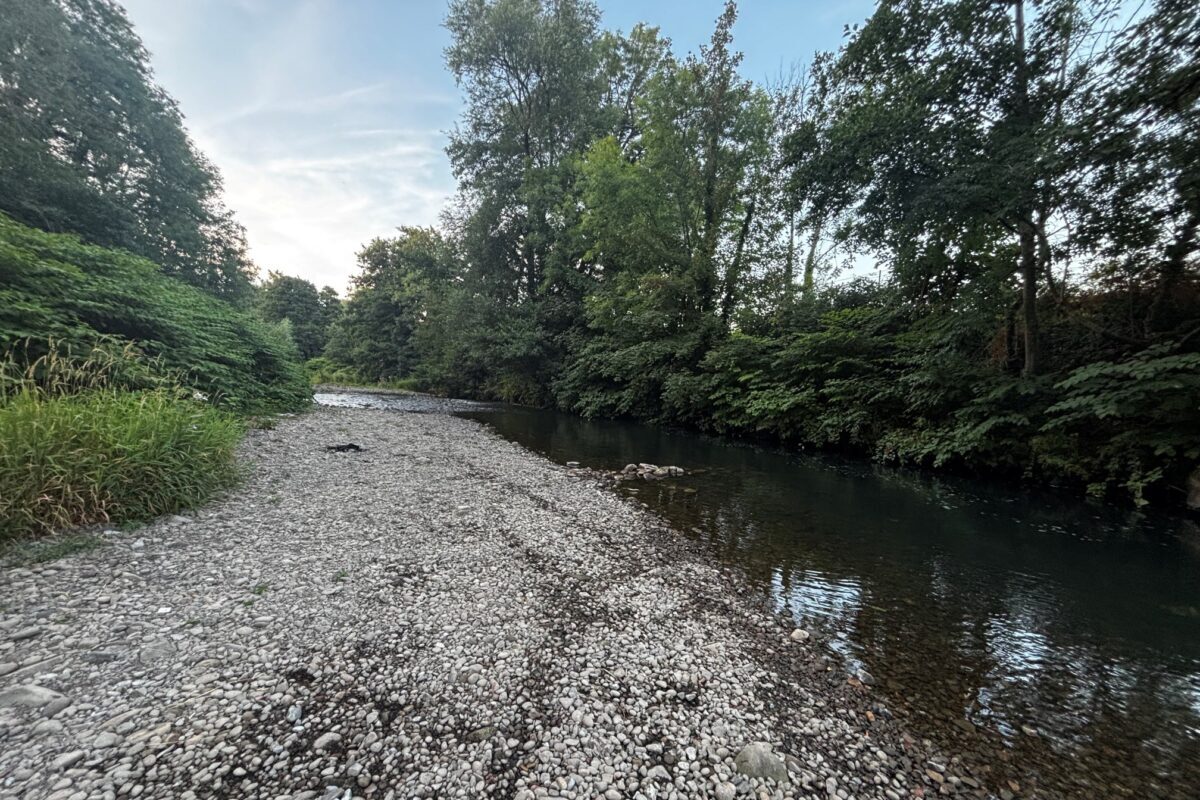
The watchdog said river levels across much of the country were now exceptionally low, including the Clwyd, Alyn, Clywedog, Dyfi, Conwy, Cleddau, Cothi, Teifi, Wye and Usk. Groundwater levels have also continued to fall, with some lower than would normally be expected at this time of year.
NRW said its staff were dealing with growing reports of environmental damage, including drying riverbeds, fish in distress, algal blooms and an ongoing risk of wildfires.
The dry conditions are also affecting agriculture, with concerns over crop growth, grazing conditions and water supplies for livestock.
To help protect rivers and wildlife, NRW is continuing controlled water releases from reservoirs and implementing abstraction controls and other drought response measures set out in its drought plan.
Rhian Thomas, NRW’s Sustainable Water and Nature Manager, said the situation was continuing to worsen.
“The intensity of the heat and the exceptional lack of rainfall means this is a rapidly changing picture in Wales. Our teams are closely monitoring forecasts and river flows and responding to increasing environmental concerns and incidents across Wales.
“The toll on the environment, our land and agriculture is clear to see, with many of our teams still dealing with the aftermath of extensive wildfires which have devastated forestry, grassland and special habitats.
“With no strong indications for notable rainfall in the forecasts, and risks of further heatwaves over the summer, it’s more important than ever that we all use water wisely. Every drop we waste is less water for our rivers and wildlife when they need it the most.”
NRW declares a drought when a combination of indicators shows a significant shortage of rainfall and water availability that is affecting rivers, groundwater, ecosystems, agriculture and land management. Water companies operate separate triggers for public water supplies.
The organisation said it had stepped up environmental monitoring and was continuing to work with the Welsh Government, water companies, the Environment Agency and the Wales Drought Liaison Group to coordinate the response.
With drought also declared across several areas of England this week, NRW said it was working with the Environment Agency to monitor conditions on the cross-border Rivers Wye, Severn and Dee.
People visiting the countryside are being urged to take extra care because wildlife and habitats are under additional stress, while the public is also being asked to use water wisely to help reduce pressure on the environment.
Climate change
Ms Thomas said the prolonged dry spell reflected the growing impact of climate change.
“The extreme weather patterns we’ve seen over the last 12 months are a stark example of the impacts of climate change here in Wales and the UK.
“As an organisation, we’re already planning for these kinds of events to become more frequent, with hotter, drier summers and wetter winters predicted to become the norm.
“This includes our long-term drought planning, flood risk management and how we manage our land to become more resilient to the risks of wildfire and pests in the future.”
Support our Nation today
For the price of a cup of coffee a month you can help us create an independent, not-for-profit, national news service for the people of Wales, by the people of Wales.
Get more trusted Welsh news
Choose Nation.Cymru as a preferred source in Google News to see more of our journalism.



The declaration of drought does not affect our water reserves.
Dwr Cymru tells us that our water stocks are currently between 70 and 86% full. There is a localised hosepipe ban in south Ceredigion and borders with Pembrokeshire and Carmarthenshire but this is due to seasonal tourist demand from Teifi abstraction, when demand doubles.
https://www.dwrcymru.com/-/media/project/images/content/our-services/water/water-resources/reservoir-storage/2026/july/water-res-graphic—22nd-july.ashx
Even though we still export this to England for free.
And reform or Tory politicians pipe up saying this is normal and Net Zero is fake, then they need the press to hound them for proof.
Wild Fire appears to be an afterthought to every statement, water management, what leaks and what goes over the border avoided. My spring is fine, better than previous years, have we had lots of rain? Last Feb Cymru had 35% more rain than average…what goes up must come down
Welcome to the new climate normal, sponsored by the We Told You So chorus.
Welsh water now need to build new reservoirs for Wales not England never mind what the people who deny it exists no last reservoir built in 1992