


Drought declared in south-east Wales following driest six-month period for nearly 50 years
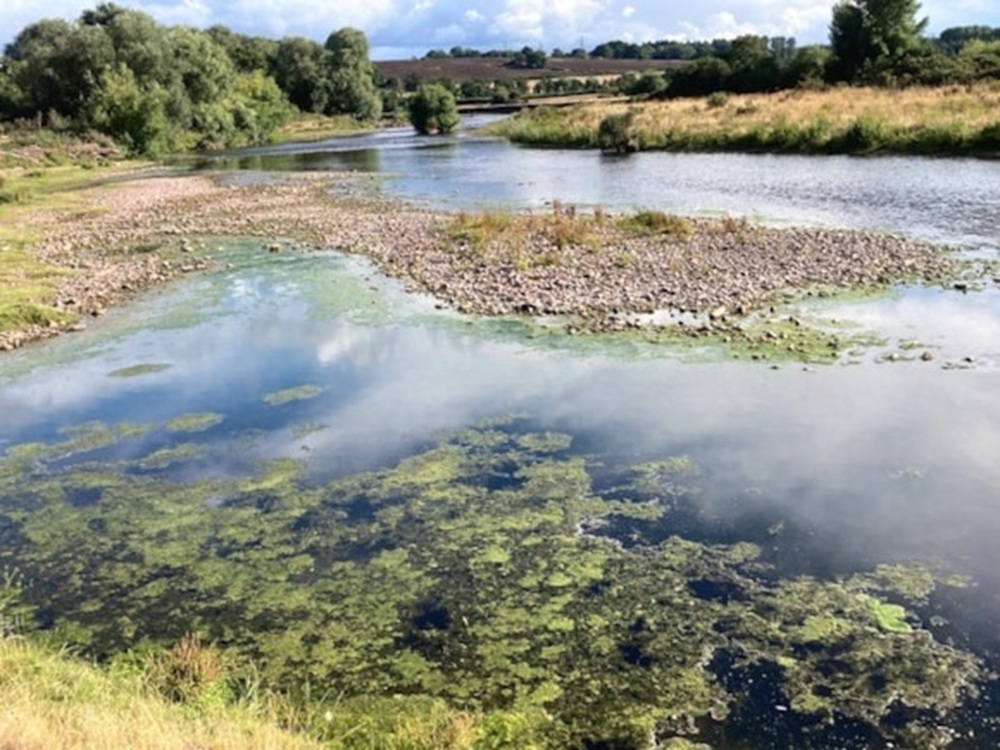
Natural Resources Wales (NRW) has confirmed that trigger thresholds have been met to move south east Wales into drought status as Wales experiences another spell of hot, dry weather.
The decision was confirmed at a meeting of the Welsh Government’s Drought Liaison Group this afternoon, after consideration of the sustained pressures the high temperatures and lack of rainfall have had on the area in recent months.
The rest of Wales remains in prolonged dry weather status, but teams from NRW continue to monitor river flows, groundwater levels and impacts on the environment, land, agriculture and other sectors closely.
While public drinking water supplies remain safe, people and businesses are advised to follow advice from Dŵr Cymru Welsh Water and Hafren Dyfrdwy, and use water wisely this summer to help ease pressures on the environment as well as water supplies.
Monitoring
With the dry weather forecast to continue, NRW will step up its monitoring and take action to relieve pressures on the environment, working closely with the Welsh Government, water companies and other partners.
Rhian Thomas, Sustainable Water and Nature Manager from NRW said: “The weather we’ve seen this spring/summer has been exceptional, with Wales recording the driest six-month period since the drought of 1976.
“The lack of significant rainfall has taken its toll on the environment, and we are receiving reports of low flows and dry riverbeds in some locations, low groundwater levels as well as reports of fish in distress and algal blooms.
“Catchments in south east Wales have been particularly impacted, with rivers receiving very little rainfall in recent months, and the Usk and Wye recording persistently high river temperatures which can threaten fish populations.
“As the area enters into a state of drought, we will step up actions in line with NRW’s Drought Plan.”
Private water supplies
Other impacts of the drought include the drying of private water supplies in some areas, impacts on land management, tree planting, navigation and recreation and farmers needing to seek alternative livestock watering supplies and supplementary feeding due to reduced grass growth and the loss of recently planted trees.
The areas affected by the move to drought status include:
Wye (Wales)
Usk
Valleys (Taff, Ebbw, Rhymney, Ely, Llwyd & Rhondda)
Vale of Glamorgan (Thaw & Cadoxton)
While some parts of Wales saw some respite from the dry weather in June, July saw the return of the hot, dry weather with south east Wales only receiving 53% of the monthly average rainfall.
As a whole for Wales, the period between February-July has been the 16th driest in 190 years (February-July) – and the driest since 1976.
Wales so far this year has received 555mm rainfall (Jan to July 2025), which is almost as dry as conditions in 2022, where the whole of Wales was placed into drought status by September.
The majority of river flows across Wales are therefore low or exceptionally low, as are groundwater levels.
Mindful
Ms Thomas added: “After such an exceptionally dry start to the year, it is going to take considerable time for rivers, ground waters and soils to recover – even if we start to see some rain in the forecast.
“While many people are enjoying the summer holidays, we’re urging people to be mindful about their water use and consider how they can conserve water at home and in work. You can find the latest advice on the Waterwise website.
“We also urge people who may be out and about enjoying the environment to report any emerging environmental concerns – such as fish in distress, dry river beds or pollution – via our incident form or by calling our incident hotline on 03000 65 3000.”
Support our Nation today
For the price of a cup of coffee a month you can help us create an independent, not-for-profit, national news service for the people of Wales, by the people of Wales.



Well then maybe they should fluffing fix the leaks. 251 Million litres of water are being wasted every day as reported by Nation.cymru 22nd April 2025. They’ve been one of the worst offenders for dumping raw sewage and they want to increase our bills.
This is just absolute nonsense. Maybe we need proper water storage tanks… similar to the old gas storage tanks for storing water for the summer. Stick them on the hills so that water pressure can be maintained.
Global warming eh. Coming at us fast.