


ECHR chief is ‘absolutely ready’ to discuss changes to human rights law
The body that oversees the European Convention on Human Rights (ECHR) is “absolutely ready” to consider changes to the treaty to address concerns over migration, its chief has said.
Speaking to the BBC, the Council of Europe’s secretary general, Alain Berset, said the organisation with 46-member states needs to see what to discuss and “maybe to change and adapt”.
His comments come as political debate surrounds the ECHR in relation to immigration cases in the UK, including calls to quit it by the Conservatives and Reform UK.
The Government has said it will not leave the European treaty but ministers are reviewing the human rights law to make it easier to deport people who have no right to be in the UK.
Several deportation attempts have been halted by how article eight of the ECHR, the right to private and family life, has been interpreted in UK law.
Home Secretary Shabana Mahmood told the Council of Europe in a speech earlier this year, when she was justice secretary, that the ECHR “must evolve” to respond to new realities.
Mr Berset told the BBC: “I am ready, absolutely ready, and really open to engage in all political discussions, to see what we need to discuss, maybe to change or to adapt.
“Let us engage on migration issues and to see what we need to address and maybe to change.
“The most important point is to be ready to speak on all issues without taboo… and to see, then, what could be the possible consensus between member states.”
He also said there was a risk the UK would be isolated if it left the convention, despite those calling to leave the ECHR arguing it would give the UK control over human rights law.
The Conservatives have promised to leave the ECHR if they win the next election, saying that “lawfare”, including lawyers using the ECHR to stop deportation attempts, has “frustrated the country’s efforts to secure its borders and deport those with no right to be here”.
Reform UK has also said it would leave the treaty as part of plans to tackle immigration.
“Risk to be a bit isolated”
Mr Berset told the BBC: “What I see is more the risk to be a bit isolated. It would mean to be not participating to all the discussion on migration, to take an influence.”
It comes as polling suggests nearly half of the British public support staying in the ECHR, almost twice the proportion who say the UK should leave the treaty.
A survey conducted by Savanta for Amnesty International found 1,009 (48%) of respondents believed the UK should continue to be a member of the convention while 538 (26%) said the UK should withdraw, and 552 people (26%) answered “don’t know”.
The treaty was first signed on November 4 1950, and came into force on September 3 1953.
It was the first legally-binding instrument to guarantee certain rights and freedoms set out under the Universal Declaration of Human Rights.
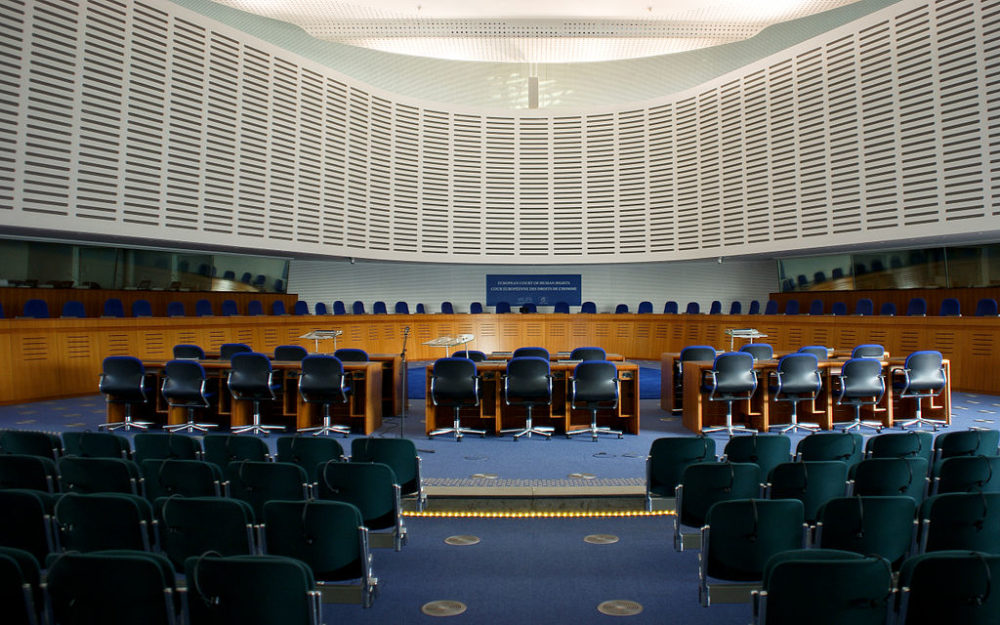
The European Court of Human Rights in Strasbourg oversees the implementation of the convention in its member states, and individuals can bring appeals to the court on human rights cases when other legal avenues domestically have been exhausted.
Support our Nation today
For the price of a cup of coffee a month you can help us create an independent, not-for-profit, national news service for the people of Wales, by the people of Wales.



Improving something to make it better isn’t in the Cons vocabulary. All they know is how to destroy.
Toryform would have us believe that there is no middle way on the ECHR but here comes a voice of reason to p**s on their bonfire (Nov 5th, no pun intended), because the real reason they want us out of it is so they can eliminate all rights for UK citizens and leave us all without recourse to any justice, no right to a family life with the imposition of a ‘kick your door in if we feel like it’ squad. It will apply to all who disagree, not just so called ‘illegals’.