


Electric-blue waves on Welsh beaches linked to warming seas
Abby Neve
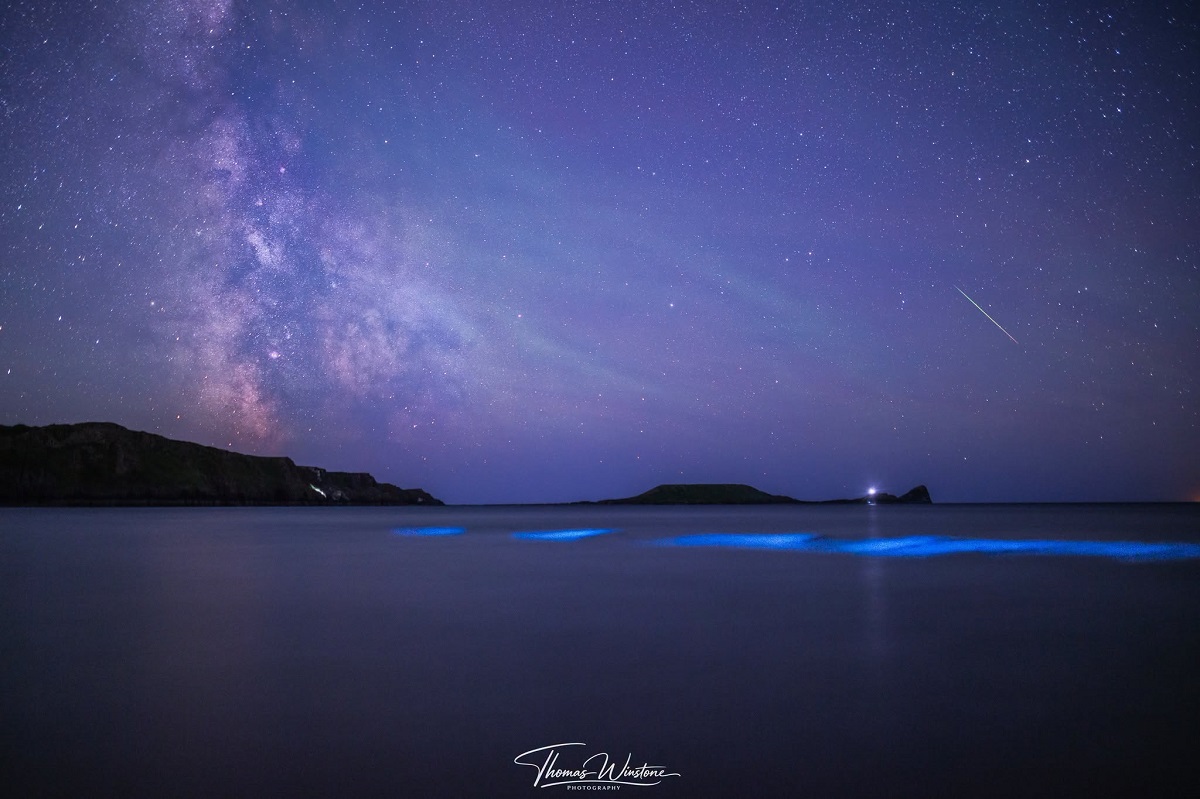
A natural phenomenon has captivated beachgoers across Wales as sightings of blue, glowing waves surge along the coastline.
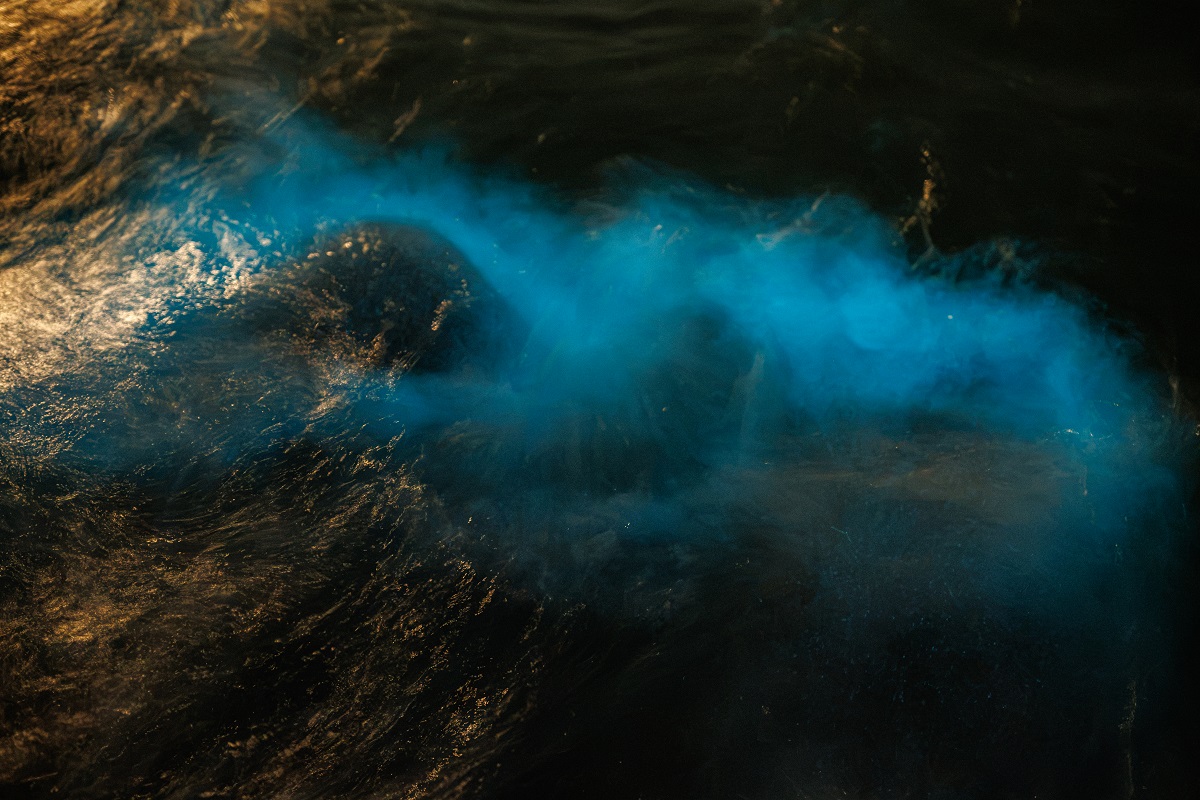
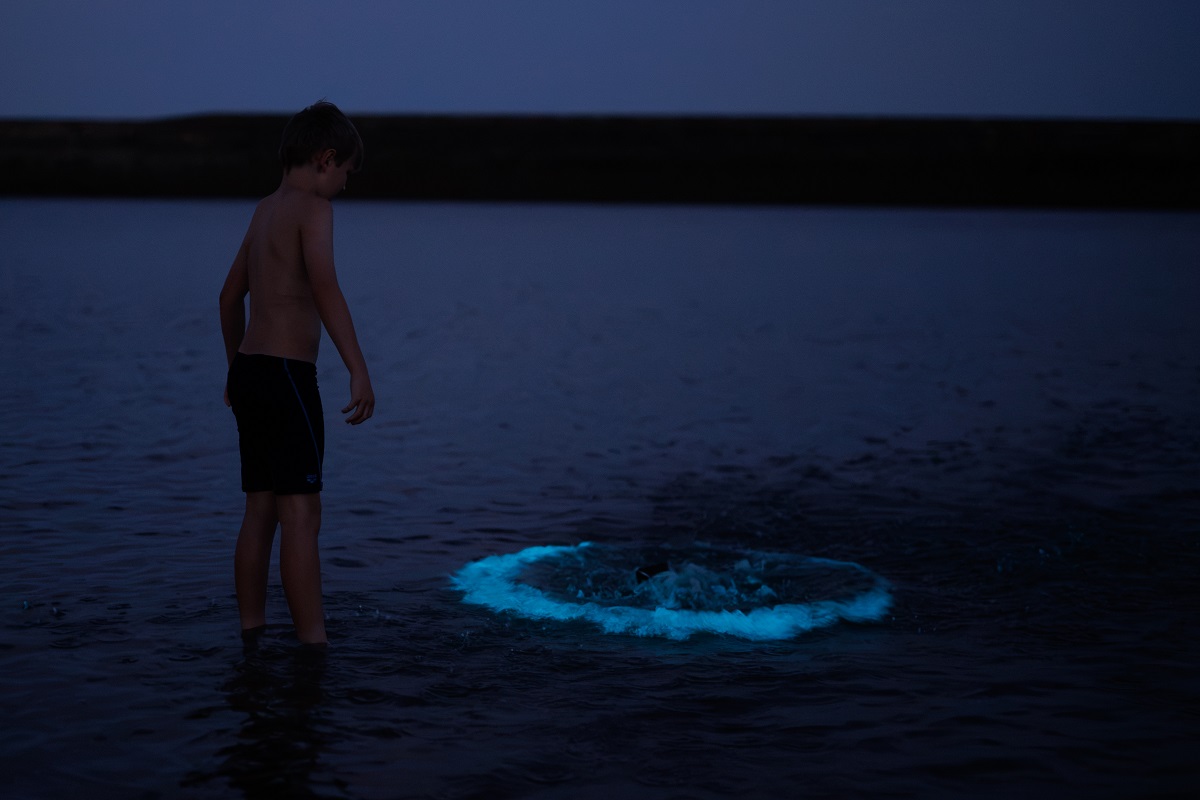
The electric blue glow is caused by bioluminescent plankton, small sea creatures that emit light when disturbed by movement.
Unusually high sea temperatures
Coastal bioluminescence is typically associated with tropical waters, but in Wales sightings have become more frequent. Although a yearly phenomenon in Wales, local observers say this summer’s blooms have arrived in greater numbers.
While the heatwave in Wales is cooling off, the underwater temperatures remain high. July sea temperatures in the UK typically sit around 15-16°C, but surface waters in parts of Wales reached 22°C today – an unusually high reading linked to ongoing marine heatwave conditions.
The Met Office said: “Warmer seas can have important consequences for marine ecosystems. These include changes to habitats, disruption to food chains and the potential expansion of species into areas where they have not traditionally been common.”
Bioluminescent plankton are one example: warmer surface water can encourage plankton blooms, making bioluminescence sightings more likely. In order for a bloom to occur, there must be sufficient sunlight, warm water temperatures, and high nutrient concentrations.
Searching for blue waves
The phenomenon is unpredictable and there is still much we don’t know about the plankton’s behaviour. Recent sightings have been reported across Welsh beaches in Port Talbot, Anglesey, Barry, and Swansea.
A new website has been created called SeaSparkle, where users can track where the phenomenon was last spotted. The app lets you share photographs, locations, and useful information to help other people experience the phenomenon. The app’s creators are developing a ‘glow chance’ forecast, based on satellite-observed plankton blooms, sea temperature, tide, weather and sea conditions, and reports from the community.
Thomas Winstone, one of the app’s creators along with Peter Ryan and Lee McGrath, said: “It is a community citizen science project, built by volunteers, with one goal: to better understand and help predict bioluminescent plankton around the UK.”
“Wales has some of the best places in the UK to experience bioluminescence, yet many people don’t realise it happens here. We hope SeaSparkle encourages more people to explore and appreciate our coastline while also taking part in citizen science.”
Before the app, the creators ran a Facebook group called ‘Bioluminescent plankton watch – Wales, England, and Scotland’, which currently has more than fifty-four thousand members.
They saw that the community they had built had the potential to do more than they’d anticipated. Thomas said: “When Peter started the Facebook group, the aim was simply to help people share sightings and enjoy one of nature’s most incredible spectacles. Over time, it became clear that the community was creating something much more valuable than a collection of photographs. Every sighting was adding to our understanding of when and where bioluminescence occurs. As the group grew, Facebook also began to show its limitations. It’s fantastic for sharing experiences and photographs, but it’s not designed to collect structured scientific information or build a long-term dataset.”
If you want to see the spectacle, it’s best to go on a warm day followed by a dark, cloudless night. Visit a beach with little light pollution after dark.
Support our Nation today
For the price of a cup of coffee a month you can help us create an independent, not-for-profit, national news service for the people of Wales, by the people of Wales.
Get more trusted Welsh news
Choose Nation.Cymru as a preferred source in Google News to see more of our journalism.



Coastal bioluminescence is NOT typically associated with tropical waters as this article claims. Indeed, it is a common feature within arctic waters. The driver is ocean currents. Not temperature. Where such currents lift nutrients from depth to rise to the surface sparking plankton blooms. What this ‘Facebook group’ have identified is that in periods of warmer weather within our temperate waters bioluminescence in more easily seen by the casual observer. Due to the sea being calm. Once of the best places to observe plankton blooms and bioluminescence is the Norwegian fjords and of course the wake of ships cutting through a… Read more »