


Endangered freshwater pearl mussels return to Welsh river
Nation.Cymru staff
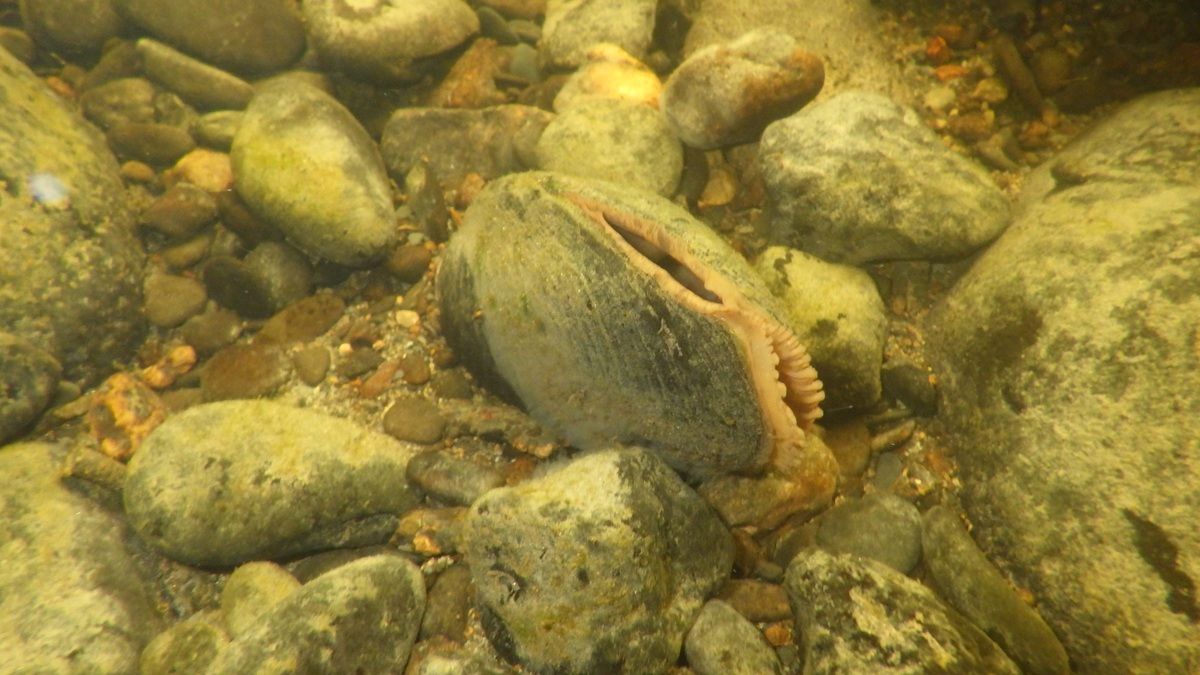
Around 100 endangered freshwater pearl mussels have been released into a Welsh river system as part of efforts to restore a species that has virtually disappeared from many of the country’s waterways.
The juvenile mussels were released into a restored tributary of the River Dee on 22 June as part of the £8.8 million LIFE Dee River project. The exact location has not been disclosed to protect the vulnerable species.
Freshwater pearl mussels are among the most endangered freshwater species in Europe and are considered functionally extinct in many Welsh rivers following decades of habitat loss, deteriorating water quality and disruption to their complex life cycle. Although they can live for more than 100 years, young mussels are now rarely found in the wild.
The mussels were bred and reared by Natural Resources Wales (NRW) at its Cynrig conservation hatchery before being transferred to a carefully selected site within the Dee catchment.
Their release follows extensive restoration work to improve river habitat, including creating cleaner gravels, stabilising riverbeds and improving water quality to provide conditions suitable for the species’ recovery.
The River Dee is designated a Special Area of Conservation because of its internationally important wildlife and supports species including Atlantic salmon, lamprey, otters and freshwater pearl mussels.
Since the LIFE Dee River project began, restoration work has included planting 20,000 riverside trees, installing 840 metres of natural bank stabilisation, adding more than 8,400 tonnes of gravel, boulders and woody material to the river, erecting 46.5 kilometres of riverside fencing, upgrading 14 forestry drain culverts and removing or adapting 13 barriers to improve fish migration.
Healthy rivers
Gethin Morris, Senior River Restoration Officer for the LIFE Dee River Project, said freshwater pearl mussels played an important role in healthy river ecosystems.
“Freshwater pearl mussels play an important role in river ecosystems. As filter feeders, they help improve water quality by removing fine particles from the water column and are considered indicators of healthy river environments.
“This release forms part of a long-term programme to restore self-sustaining populations within the Dee catchment. The mussels will now be monitored regularly to assess their survival and development in natural conditions.”
The LIFE Dee River project is led by NRW and funded by the EU LIFE Programme, Welsh Government, Environment Agency, Eryri National Park Authority, Dŵr Cymru Welsh Water and the River Restoration Centre.
Support our Nation today
For the price of a cup of coffee a month you can help us create an independent, not-for-profit, national news service for the people of Wales, by the people of Wales.
Get more trusted Welsh news
Choose Nation.Cymru as a preferred source in Google News to see more of our journalism.


