


‘English is a bastard language’: Māori MP praises Wales’ bilingualism in passionate speech
Stephen Price
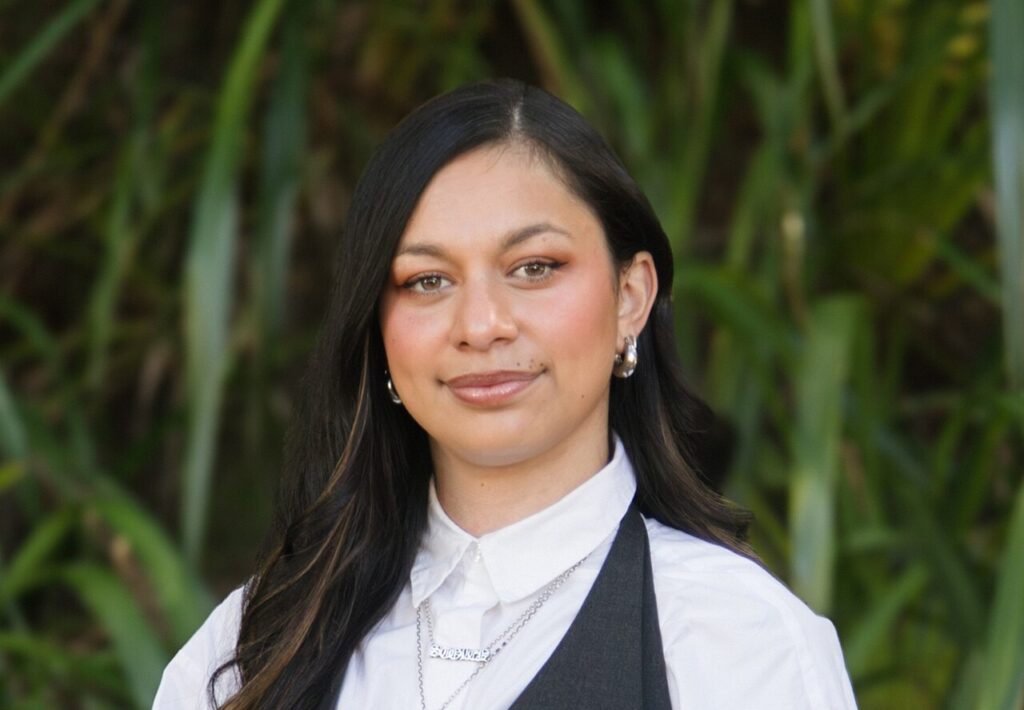
A Māori MP has drawn praise for defending New Zealand’s native language in a heated parliamentary debate – citing Wales as an example of a nation valuing its indigenous language and identity.
Tamatha Paul is a New Zealand activist and politician who is a Green Member of Parliament for Wellington Central. In 2018 she was the first Māori woman to be elected President of the Victoria University of Wellington Students’ Association.
In a passionate speech which has since gone viral, the MP called English a “bastard” language during a fiery parliamentary debate of a bill that makes English an official language alongside te reo Māori and sign language – and following a recent visit to Wales, highlighted how the nation is doing much better for its native language.
As reported by the New Zealand Herald, before the last election, New Zealand First campaigned on giving English an official status in legislation. The issue was baked into the party’s coalition agreement with National.
On Thursday, a bill doing as much passed its third reading in the House, with the support of the governing parties and Labour. The Greens and Te Pāti Māori voted against the law.
Paul argued that since English is already considered a de facto official language, was a “waste of time” in Parliament’s last 100 days before the election when people were “struggling” to pay their bills.
She said: “English is a bastard language. This is what you’re fighting to protect. It’s a language that’s not even its own. It’s a bastardisation of Greek, Old Norse, Latin. It’s a complete bastardisation. And this is what we’re wasting the house’s time fighting for?
“Sorry, I know no one wants to say it straight up, but these snowflakes over here, a bunch of snowflakes that hear the word Aotearoa and cry themselves to sleep over there.
“What they do, they cry when they hear the word Aotearoa. They stand up and point of order it in this house. That’s how weak they are. They see te reo Māori and they shiver in their boots.”
View this post on Instagram
Praising the situation in Wales, she added: “Oh my gosh, the Parliament delegation just went to Wales and look at them, they’ve got their beautiful indigenous language, Cymraeg, everywhere before English. And guess what?
“The world didn’t fall over and the world didn’t end. People still knew where they were going. In fact, people saw it and thought, wow, we’re in a country that values their indigenous language and identity, unlike our snowflake government that cannot handle Te Reo Māori, which is why one of the first orders of business for them was rearranging old Te Reo in New Zealand on the passport and making sure that we could take Te Reo Māori out of government departments’ names. Oh, come on.
“How divorced from reality can you be that you think switching out Te Reo Māori is a priority for any New Zealander? And let me tell you why Te Reo Māori has a protected language status. Because it was beaten out of Māori systematically. our asses to Parliament demanding that the indigenous first language of this country be recognised and not beaten out of the mouths of its native speakers. And you know what the ironic thing is too? English isn’t even an official language in England. Even they know that it’s just stupid.”
Te reo Māori
New Zealand currently has two de jure official languages: Māori and New Zealand Sign Language, whereas English acts as a de facto official language. Te reo Māori gained its official status with the passing of the Māori Language Act 1987.
The 2018 New Zealand census reported that about 190,000 people, or 4% of the population, could hold an everyday conversation in Māori. As of 2015, 55% of Māori adults reported some knowledge of the language; of these, 64% use Māori at home and around 50,000 people can speak the language “well”. As of 2023, around 7% of New Zealand primary and secondary school students are taught fully or partially in Māori, and another 24% learn Māori as an additional language.
In Māori culture, the language is considered to be among the greatest of all taonga, or cultural treasures. Much like the Welsh language, Māori is known for its metaphorical poetry and prose which is often performed in the form of karakia, whaikōrero, whakapapa and karanga, and in performing arts such as mōteatea, waiata, and haka.
On 17 July, Paul praised Wales’ bilingualism and the status of Welsh in the country, sharing a post on Instagram with Huw Irranca-Davies MS, the current Llywydd.
View this post on Instagram
She said: “Cyrmaeg (welsh language) is the oldest living language in the United Kingdom. A Celtic language spoken long before the Romans or the Vikings arrived!
“I’ve loved seeing Cymraeg all across Cardydd as the primary language and I know many mātanga reo have come to Cymru to take some tips from their language revitalisation. Like us, they have a goal of 1 million speakers and make the most of Welsh-medium education.”
Support our Nation today
For the price of a cup of coffee a month you can help us create an independent, not-for-profit, national news service for the people of Wales, by the people of Wales.
Get more trusted Welsh news
Choose Nation.Cymru as a preferred source in Google News to see more of our journalism.



The irony is that Wales is often used as a unit of measurement around the world in films and documentaries, but what is often overlooked is that it also served as a blueprint for England’s “British Empire.” In many ways, we are effectively ground zero. So I am not surprised that this Māori MP Tamatha Paul has cited and praised Wales for its bilingualism, given that we have endured unimaginable prejudice for over 1,500 years as Britain’s native people. Yma o hyd!
It’s rather ungenerous and not really befitting to describe English as a b*****d language. However Google allows one to access a pie-chart that shows the 84% of English words are identical with, or derived from, French words (29%), Latin words (29%) and Germanic words (26%). Thomas Davis (1814 – 45) from Cork who founded a notionalist movement “Young Ireland” to campaign for Irish independence was perhaps nearer the mark when he referred to English as a “mongrel language of a hundred breeds”!
Of course, this is because English has absorbed very many technical terms from other languages, indeed as Welsh has (or at least did in the Middle Ages, siarad even comes from Occitan). One the one hand you’d expect this to be a testament to the comparative open mindedness of earlier generations of speakers. But of course the vast majority of words used in spoken English will be from Anglo-Saxon roots.
Today’s interesting fact. Oxford University was established before the Maoris even got to New Zealand.
‘Today’s interesting fact. Oxford University was established before the Maoris even got to New Zealand.’
Where the language of instruction and scholarship was Latin
Today’s second interesting fact
But still an English university. It does show how this whole story is infused with jealousy.
Māori, not Maoris (sic). Te Reo Māori does not use ‘s’ to signify plurals. Do not apply English grammar rules to an Indigenous language.
I urge anyone who has not seen this to look at it. Magnificemt.