

Expert quits panel in row over the best way to teach children reading
Martin Shipton
The resignation of an education expert from a Welsh Government advisory panel has brought into the open a simmering conflict over how best to teach children to read.
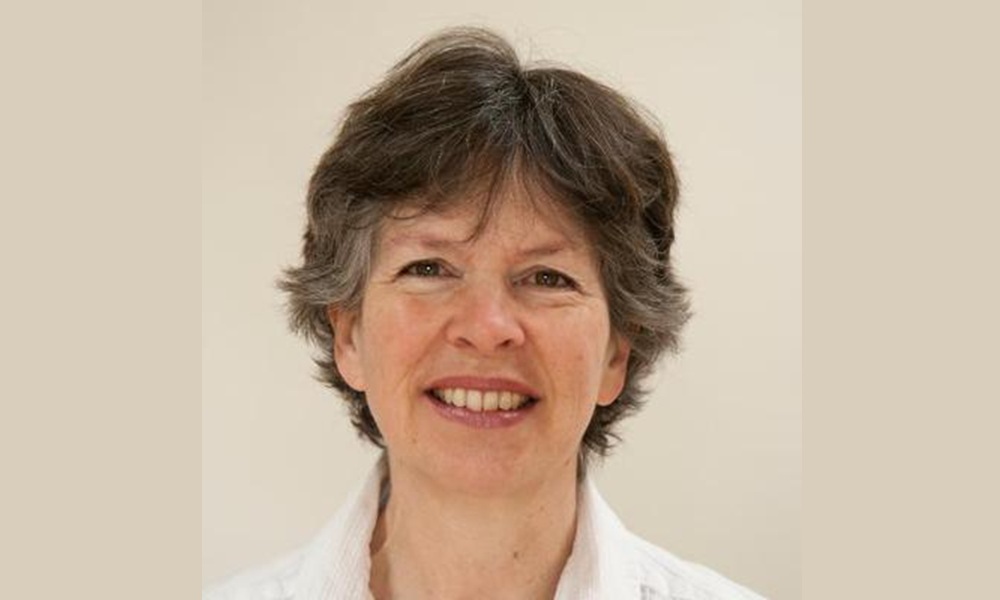
Elizabeth Nonweiler has stepped down from the Expert Literacy Panel, raising serious concerns about the direction of national literacy policy.
The reading performance of Welsh teenagers in the international PISA tests has been the worst of all four UK countries.
In a public letter to Lynne Neagle, the Cabinet Secretary for Education, she warns that the newly announced £8.2m literacy project is being led by individuals who do not clearly support the proven principles of systematic synthetic phonics.
‘Synthetic phonics’
Ms Nonweiler chairs the Reading Reform Foundation, which advocates for improvements in the way reading is taught. It favours the “synthetic phonics” method of teaching, where children learn to pronounce individual sounds (phonemes) for each letter or group of letters (graphemes) and then blend those sounds together to form words. For example, they learn that ‘m-a-t’ blends to make “mat”.
In her letter to Ms Neagle, Ms Nonweiler states: “This letter is addressed to you in your role as Cabinet Secretary for Education, but I am sharing it publicly because it affects every child learning to read, every teacher, and every parent whose child depends on a strong start. The decisions made now will shape lives for years to come.
“Literacy is the foundation of every child’s future. Without it, doors close – educationally, socially, economically. On November 5 2024, you said: ‘Improving literacy is central to our mission to raise standards and ensure every child in Wales has the best start in life.’ I agree. But I must tell you plainly: that mission will fail unless your current plans change.
“I write as Chair of the Reading Reform Foundation and as someone deeply committed to evidence-based literacy education. Although I do not live in Wales, I have been honoured to serve on the Welsh Government’s Expert Literacy Panel. After a year of meetings, however, it is clear that the panel cannot deliver what Wales needs. That is why I am stepping down. I do so with regret, but also with resolve. It is my duty to speak publicly.
“On July 2 2024, you rightly stated: ‘I want to be absolutely clear that synthetic phonics is the method we expect schools to use to teach children to read.’ Synthetic phonics – teaching children to decode words by blending sounds – is backed by decades of research and proven success in classrooms worldwide. I know of no reliable evidence that shows other methods work better for teaching word reading, nor that combining them with synthetic phonics works better. Comprehension is crucial too, but children cannot understand what they read if they cannot read the words.
“Unfortunately, the panel has failed to agree on clear principles. The documents we have been asked to review have been unclear, ambiguous, and needlessly wordy. Now you have announced that a new £8.2m national school programme for literacy will take account of the work of the Expert Literacy Panel and is to be led by several members of this panel, including those who have published work critical of synthetic phonics and others who have avoided mentioning it altogether. The overlap in personnel and philosophy means the weaknesses of the panel are now embedded in this new project. None of those leading it has ever taught young children to read.
“A programme and resources will be offered free to schools, funded by taxpayers, but they will not be fit for purpose. I urge you to disband the current panel and scrap this new project. Instead of imposing a flawed solution, convene a group of experts with direct experience in successfully teaching young children to read. Let them define the principles of systematic synthetic phonics. Then offer matched funding so that schools can choose from the many proven programmes already available that follow these principles.
“Wales has the opportunity to follow the lead of countries like New Zealand, which has recently adopted synthetic phonics as the foundation for teaching reading, and has already seen remarkable success. But this will only succeed if decisions are guided by evidence, clarity, and a commitment to what works.”
‘Bone of contention’
An education source told Nation.Cymru: “The ‘reading wars’ have long been a bone of contention – and heated disagreement – in education circles… some believing that reading is better taught by teaching children whole words, others that phonetics is the better approach. Most robust evidence I’ve seen suggests the latter, by some distance.
“Either way, this lady appears to have voted with her feet… and is not happy that Lynne Neagle and co haven’t pinned their colours to the phonics mast. It matters of course because Wales remains well below the rest of the UK on reading scores.”
Guidance
Responding to Ms Nonweiler’s resignation and comments, a spokesperson for the Welsh Government said: “We support the systematic teaching of phonics. The role of the respected experts on the panel is to advise us on the latest evidence on literacy, so we can provide schools with the most effective guidance and support to teach reading.
“We have confidence in the panel, including Elizabeth’s contribution, and the Cabinet Secretary for Education will be reaching out to her to discuss further.
“The CAL:ON Cymru project includes specific support for the systematic teaching of phonics and will further enable schools to identify and support those learners in need of additional support. The project includes approaches that have been tested by research and evidence and expands a successful pilot, in which 330 schools have implemented reading interventions. The work of all our grant partners will be evaluated
“We are working closely with the panel to consider further support for schools that is evidence based and supports reading in both Welsh and English.”
Support our Nation today
For the price of a cup of coffee a month you can help us create an independent, not-for-profit, national news service for the people of Wales, by the people of Wales.



The easiest way to learn is through daily practice. Sadly this falls down when parents can’t be bothered and expect the school to do everything.
1xBook + 1xBedtime = 2xReading Ability.
It’s how I was taught lmao.
Ireland is 2nd in the global PISA rankings for reading. What are they doing right?
Good grief. If Ms Neagle cannot get the right systems in place for teaching kids to read then what other damage is she doing to education in Wales? Time and time again, phonics comes out as the best method. Why is there even a discussion about it? We continue to plummet down the PISA tables and we haven’t even sorted out how to teach kids to read.
https://www.ucl.ac.uk/news/2024/may/opinion-phonics-lessons-arent-working-heres-better-way-teach-children-read-and-write shows not all experts support phonics; AI Overview +2 Countries that do not teach phonics are often those that use a whole language or balanced literacy approach, which emphasizes learning to read through context and whole words rather than systematic instruction in letter-sound relationships. Examples include Canada and Ireland, though policies can vary by region and are shifting toward phonics. Countries and approaches Canada: Many provinces use a “balanced literacy” approach that integrates phonics into lessons rather than making it the primary method. Ireland: This country is mentioned as favoring a whole language approach, though there is a trend… Read more »
‘Adding insult to injury’; c/o Labour: “Welsh pupils’ attainment has plummeted. Wales has consistently scored lower than England, Scotland, Northern Ireland and the OECD average in the Pisa (Programme for International Student Assessment) league tables for reading and mathematics since 2006.”
https://www.thetimes.com/uk/politics/article/where-it-all-went-wrong-for-labour-in-wales-mqjrq2plc?fbclid=IwY2xjawNtNlZleHRuA2FlbQIxMQABHr-zQHjE6wSy2JDg_J0rp577oI5vzA7PI2wqXzyrbZOGR_k9DMtjNCZcUM7K_aem_ycnnID23nAaXsCjxX0yr5g