


Facial recognition to be expanded as views sought to shape new laws
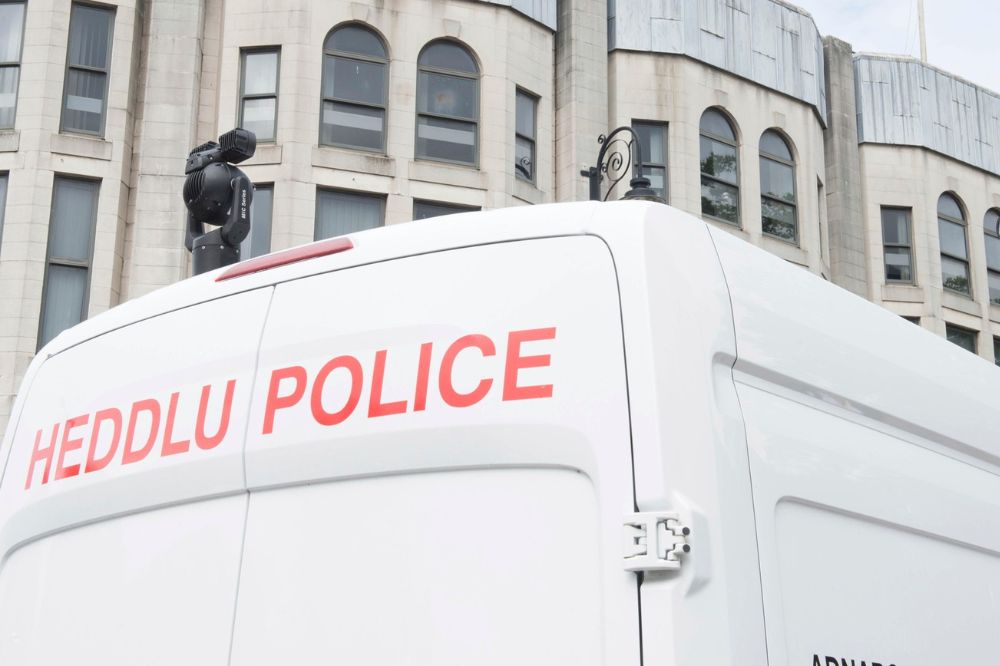
Ministers are seeking to ramp up police use of facial recognition to fight crime and are asking people how it should be used to form new laws.
A 10-week consultation is being launched that will ask for views on how the technology should be regulated and how to protect people’s privacy.
The Government is also proposing to create a regulator to oversee police use of facial recognition, biometrics and other tools and is collecting opinions on what powers it should have.
Policing minister Sarah Jones described facial recognition as the “biggest breakthrough for catching criminals since DNA matching” saying that it has already helped catch thousands of criminals.
“We will expand its use so that forces can put more criminals behind bars and tackle crime in their communities,” she said.
According to the Home Office, the Metropolitan Police made 1,300 arrests using facial recognition over the last two years, and found more than 100 registered sex offenders breaching their licence conditions.
But the technology has faced criticism, with the Equality and Human Rights Commission (EHRC) describing the Met Police’s policy on use of live facial recognition technology as “unlawful”, earlier this year.
The equalities watchdog said the rules and safeguards around the UK’s biggest police force’s use of the technology “fall short” and could have a “chilling effect” on individuals’ rights when used at protests.
‘Lawful’
But a Met spokeswoman said the force believes its use is “both lawful and proportionate, playing a key role in keeping Londoners safe”.
The consultation launched on Thursday will consider views on what safeguards are needed to ensure people’s confidence, and whether using the technology is proportionate to the level of harm being tackled.
It will be used to form the basis of new laws to govern the technology, which could be expected to be in place in around two years’ time.
Currently the legal basis facial recognition can be used from is piecemeal, based on common law, data protection and human rights laws.
National Police Chiefs’ Council lead for facial recognition, Lindsey Chiswick, said live facial recognition is already subject to strong safeguards but that “public trust is vital”, adding: “We want to build on that by listening to people’s views.”
Former head of Counter Terrorism Policing, Neil Basu, also said live facial recognition is a “massive step forward for law enforcement”.
He added: “The live facial recognition system was, but no longer is, discriminatory, but it will still require proper legal safeguards and oversight by the surveillance commissioner.
“This consultation is a necessary and welcome step by the Government, which I hope will expedite its use by policing, lead them to catch more criminals, and keep us much safer.”
Currently, police use three types of facial recognition: retrospective, used in criminal investigations to search images from crime scenes against images of people taken on arrest; live, using live video footage of people passing cameras and comparing their images with a list of wanted people; and operator-initiated, a mobile app that allows officers to check someone’s identity without arresting them.
Funding
The Home Office funded £12.6 million in facial recognition last year, with £2.8 million spent on national live facial recognition, including mobile vans and fixed location pilots.
Last month, a new fleet of vans was rolled out by Greater Manchester, West Yorkshire, Bedfordshire, Surrey, Sussex, Thames Valley and Hampshire police forces in an expanded pilot programme, joining the Met, South Wales Police and Essex Police in their use.
The Home Office also spent £6.6 million this year on evaluating and adopting the technology, including £3.9 million on creating a national facial matching service, which is currently in its testing phase.
It aims to give police a new way to carry out retrospective searching and have another national database of custody images.
It is expected that the new database could hold millions of images, similar to the numbers on the police national database.
Facial recognition is used to locate suspects and identify offenders, but also to help find missing people.
Susannah Drury, director of policy and development at charity Missing People, welcomed the consultation.
She said: “Facial recognition technology could help to ensure more missing people are found, protecting people from serious harm.
“However, we need to better understand the ethical implications and what safeguards must be put in place for this technology to be used safely.”
Reacting to the consultation, human rights organisation Liberty said the Government should halt the roll-out of the technology and introduce strict safeguards, including for independent sign-off before it is used and at least 14 days’ notice to the public when live facial recognition will be active.
It also called for police to only use facial recognition to prevent an imminent threat to life or people’s safety, search for suspects of serious criminal offences or missing people and victims of abduction and human trafficking.
Liberty director, Akiko Hart, added: “The public is finally getting a chance to have its say on this surveillance tech, but it’s disappointing the Home Office is starting a consultation with a pledge to ramp up its use.”
Support our Nation today
For the price of a cup of coffee a month you can help us create an independent, not-for-profit, national news service for the people of Wales, by the people of Wales.



Back to 1984.
It would be easier for the authorities if everyone had a barcode tattooed on their forehead.
Simple solution.
Anyone who does not commit a crime from 1st January 2026 is exempt.
Anyone who does commit a crime from 1st January 2026 auto enrole themselves onto facial recognition relevant to their crimes and punishments.
But in todays age, criminality is a fundamental human right, so it won’t be allowed and all those planning or supporting criminality in the new year will also down arrow this comment – there may be a few!
Not all of us trust the current government to define what should be considered criminal.
Presumably that includes speeding.
With the rise of the racist protests taking place regularly this is positive news. It’s terrifying that they’re out there in our communities mixing with our children, hopefully this will help get them behind bars where they belong.