


Families call for crime victims’ compensation cap to be lifted
Campaigners have called for the 30-year freeze on compensation for victims of crime to be lifted as they say the amount is insufficient to plan for the future.
The current highest rate of £500,000 was set three decades ago in April 1996 by the Criminal Injuries Compensation Authority (CICA).
It is paid to victims of crime who have suffered severe life-changing injuries, including brain damage and paralysis.
The money is paid to provide for their care as well as their long-term future as their injuries often mean they are unable to work.
However, new figures suggest that had the maximum amount risen in line with inflation, it would stand at more than double the current limit – at £1,015,000.
One campaigner said the current amount is an “insult” to victims and families.
Those affected, along with lawyers, have raised concerns the money will run out, leaving them without vital support and affecting their broader quality of life.
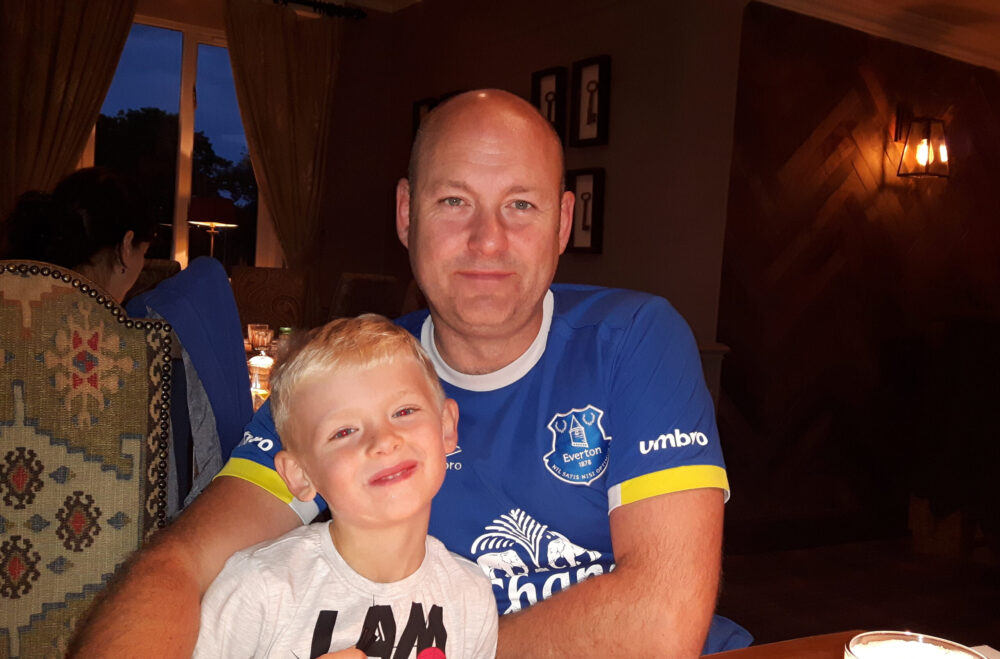
Craig Lewis-Williams, 50, from north Wales, was left with brain damage after being attacked while walking home in November 2021. It left him unable to walk, swallow and with memory problems.
He later had a stroke during his treatment, giving him paralysis down his left side.
Mr Lewis-Williams is now fed through a tube and has carers visit six times a day.
His attacker, Adam Chamberlin from Llay, was given a jail sentence of more than a year after pleading guilty to grievous bodily harm (GBH).
Mr Lewis-Williams, who was a warehouse manager before the assault, received the maximum payout from CICA on appeal. However his wife, Anna, fears it will not go far enough.
Mrs Lewis-Williams, 45, told the Press Association: “Things are going to need replacing like his wheelchair and the van, they’re big things to pay out for which are not what the layman needs.
“You can’t go out and buy a car for £500, or £1,000, whereas we’ve got to get everything adapted.
“It’s not going to last. He’s just turned 50 and the expected life age of a male is 75 to 80, it’s another 25-30 years.
“You’ve got your car, you’ve got your family, prices are a lot higher than they were 30 years ago, we’ve got the cost-of-living crisis and what’s going on in Iran, the money has to last longer.”
Nichola, from north-west England, has the same fears about her adopted teenage daughter Lou.
The secondary-school pupil has learning difficulties caused by brain damage from her biological mother taking drugs when she was pregnant, and giving drugs to her after she was born.
While Nichola says Lou has “defied the odds” and attends a mainstream school, she suffers with mental processing difficulties, mood disorders and behavioural conditions.
“The assessments are that she will struggle with maintaining a job, long-term, probably with the disciplines and the interpersonal relationships that are involved in it,” Nichola said.
“She’s got a significant amount of money and to anybody else that would be seem huge. But it’s got to last her a lifetime and she’s very young, so it might have to last her another 80 years.
“If you’re the kind of person who struggles to hold down a job, you’re not going to have a great deal in your pension when you come to retire. While you’re working, you’re probably going job to job, so there’s gaps.
“You’re probably a candidate for part-time lower-paid work because you can’t get your qualifications, so what doesn’t add up is that loss of earnings as a consequence of what happened, for her full life.”
Neil Sugarman, a lawyer who has worked on criminal injuries and is the former president of the Association of Personal Injury Lawyers (Apil), said the anniversary should be a “wake-up call”.
Mr Sugarman said: “The 30th anniversary of the introduction of the maximum award of £500,000 for the most seriously injured innocent victims of crime should serve as a wake-up call to the Government that this is no longer acceptable.
“For adults and children who suffer catastrophic brain injury, are confined to a wheelchair or whose lives have been ruined by abuse, the fact that they have to manage with this amount for life through no fault of their own is an insult.”
Kim Harrison, a past president of Apil, called for an immediate review of the limit. She said those affected have been overlooked “for too long”.
Ms Harrison said: “While having a cap on compensation for survivors of crime is not perfect, at the very least it should be recognised that the amount established when the cap was set in 1996 will not go as far in today’s money, three decades on.”
A Ministry of Justice spokesperson said: “Our thoughts are with all victims of violent crime.
“We’re leaving no stone unturned to make sure brave survivors get the support they deserve, with over £164 million paid out by the taxpayer-funded Criminal Injuries Compensation Scheme in 2024/25.”
Support our Nation today
For the price of a cup of coffee a month you can help us create an independent, not-for-profit, national news service for the people of Wales, by the people of Wales.


