


Family’s anguish as daughter receives ‘devastating’ diagnosis after five year wait
Stephen Price
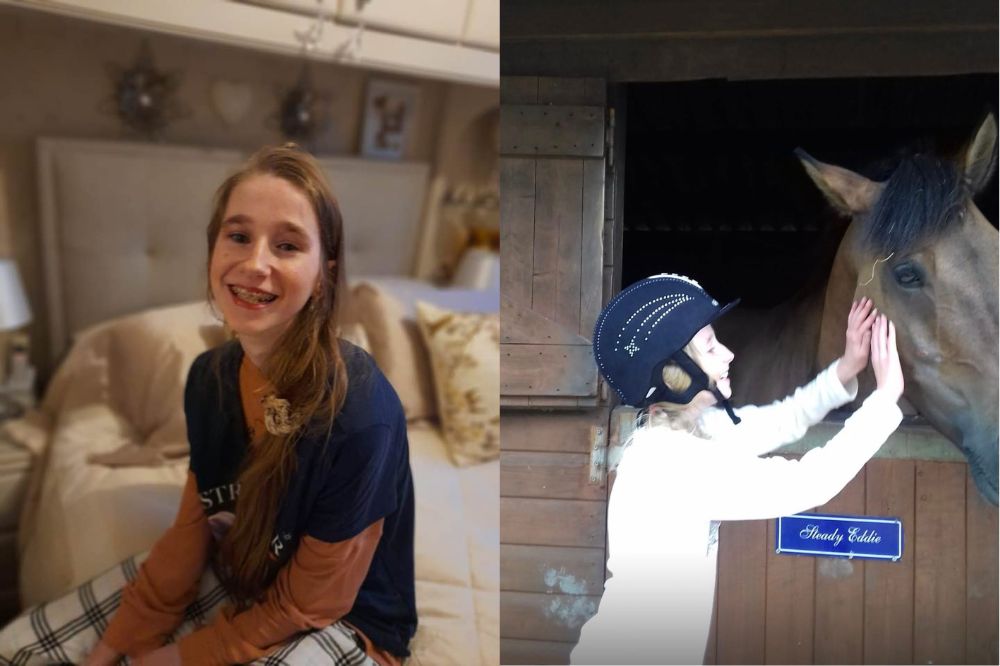
A Welsh family are appealing to the nation to help bring some light to their young, horse-loving daughter, who received a shocking terminal diagnosis after a five year wait.
Jessica Cowley from Maesycoed was a busy, active and outgoing child, and inspired everyone around her despite being diagnosed with a learning disability at 7
At seven, Jessica was also diagnosed with epilepsy at 10, but the family continued to make the most of life – with her struggles never getting in the way of school or fun with friends.
As she became a teenager, however, the family began to notice Jessica’s health deteriorating further. Her mum told Nation.Cymru: “I noticed at the age of 13, Jessica would start falling over and if we were out she would struggle to walk and we would have to sit down as she couldn’t get home.
“She would stumble and when she got up of the settee she would fall over like a domino and wouldn’t put her hand out so she would fall straight on her face.
It was at this point that earlier conditions, such as the epilepsy, began to fill in pieces of the puzzle for doctors who realised that that too was a symptom of something bigger.
Rachel shared: “It wasn’t until she was put under adult doctors that’s she was diagnosed with DRPLA.
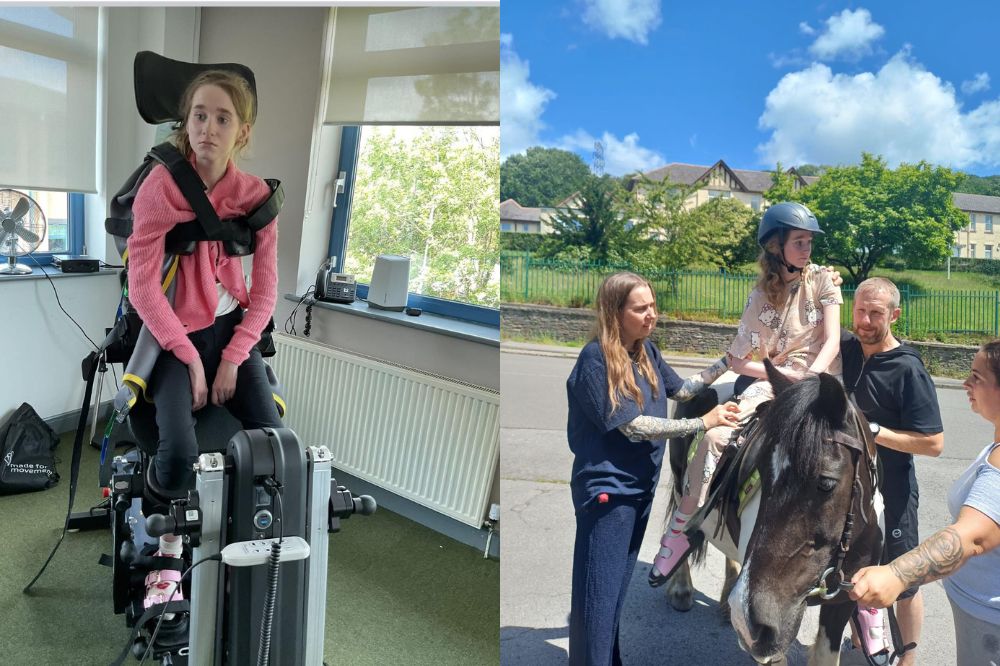
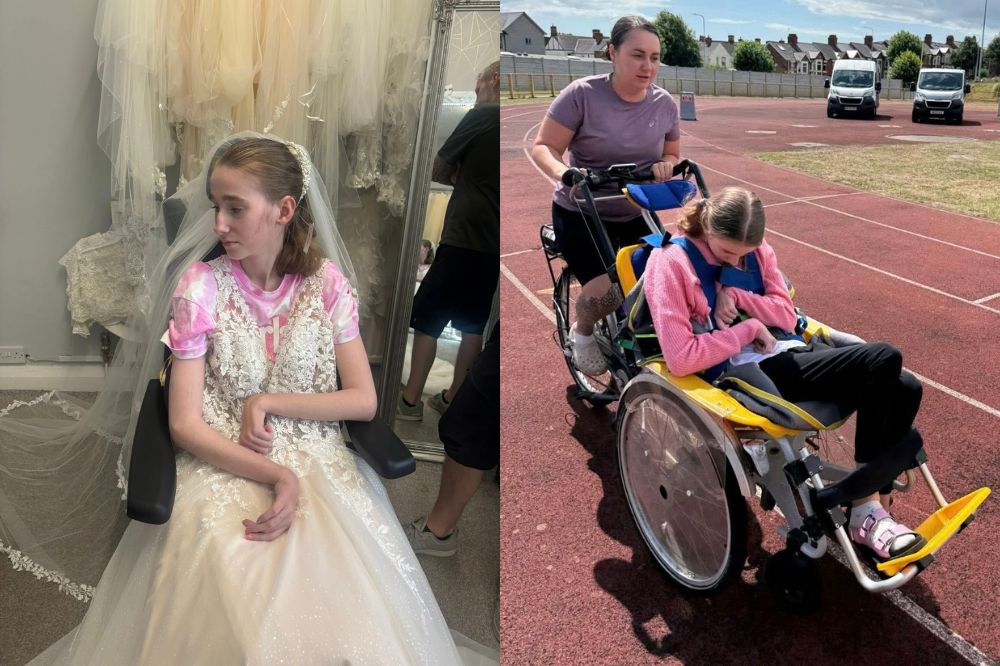
“We still struggle to get help as it’s very rare. We are trying to make the most of our time with Jessica by taking her to see horses and also she is going to a wedding shop tomorrow to try on dresses which I know she will love.”
Appeal
At only 20 years old, Jessica spends much of her life confined to an electric wheelchair, and is unable to eat for herself. She is unable to speak, and has bladder control issues. She is also starting to have dementia-like symptoms.
With their precious time dedicated to spending time together with Jessica, the family have launched an appeal which they hope can fund some of the modest, and touching wishes she has, as well as to ensure her needs are met, with the day to day costs of living with a disability and purchasing specialist equipment from home and abroad adding up.
Together with her family, Jessica wrote: “Hi, my name is Jessica and and I’m terminally ill. I’ve recently been diagnosed with a rare gene neurological brain disorder called DRPLA (Dentatorubral-Pallidoluysian Atrophy)
“There is no cure and I’ve lost everything that meant everything to me. My speech, my eating, my mobility and I am now in nappies. I’m peg fed and I’ve started forgetting who people are. My body shakes everyday and I’m in constant pain.
“I’ve set this gofundme page to help make some of my wishes come true, I understand if people don’t want to give I’m just thankful that you have read my story.
“I can’t travel far anymore so I want to make memories with my family, I love horses, sparkly shoes, sparkly dresses, wedding dresses and Elsa from Fozen. Any help received we would appreciate greatly.”
DRLPA
Mum, Rachel, said the family spend five years “battling” to receive a diagnosis, and they feel failed by the NHS.
By the time Jessica received this diagnosis, her condition was so advanced that doctors said she has just years left to live. Her mum says her legs are constantly shaking causing her to burn fat too quickly and become underweight.
DRPLA is a progressive neurological disorder caused by an abnormal expansion of a CAG trinucleotide repeat in the ATN1 gene, leading to a variety of symptoms including ataxia (balance problems), cognitive decline, seizures, involuntary muscle jerks (myoclonus), and psychiatric issues.
The severity and age of onset vary, with juvenile onset often including more severe myoclonus and epilepsy, while adult onset typically presents with ataxia, movement disorders like chorea, and dementia.
The average life expectancy is typically 8 to 16 years from the onset of symptoms, with the CAG repeat length in the ATN1 gene influencing the age of symptom onset and, consequently, the length of the disease.
The disorder is progressive, leading to severe disability and death, often from complications like pneumonia due to difficulties in swallowing. There are no known curative or disease-modifying treatments for DRPLA; current medical management focuses on supportive care for symptoms.
One hope for Rachel through the family’s struggle, is that other families trust their instincts, and keep fighting for their children if they’re not confident with early opinions from medical professionals.
She shared: “I want people at home to listen to their gut and not all medical professionals know it all. If you feel something isn’t right, keep asking for other opinions.”
The family also hope more people will follow Jessica on facebook, to not only show their support which has kept Jessica going for so long know, but also so the family can continue to use their platform to let people know more about this cruel disease.
Follow Jessica’s story on Facebook.
Help support Jessica’s Crowdfunder.
Support our Nation today
For the price of a cup of coffee a month you can help us create an independent, not-for-profit, national news service for the people of Wales, by the people of Wales.



This is terribly sad but not surprising. There is a raft of these rare genetic diseases which can sporadically affect people both with adult and child onset. Sometimes it is only after a period of observation and review that the diagnosis becomes apparent especially in the absence of a family history. This particular condition is exceedingly rare. It is unlikely that any opportunity to intervene has been lost as management is of symptoms as they arise.