Farming groups urge National Trust to pause Eryri nature project after loss of sheep flocks
Nation.Cymru staff
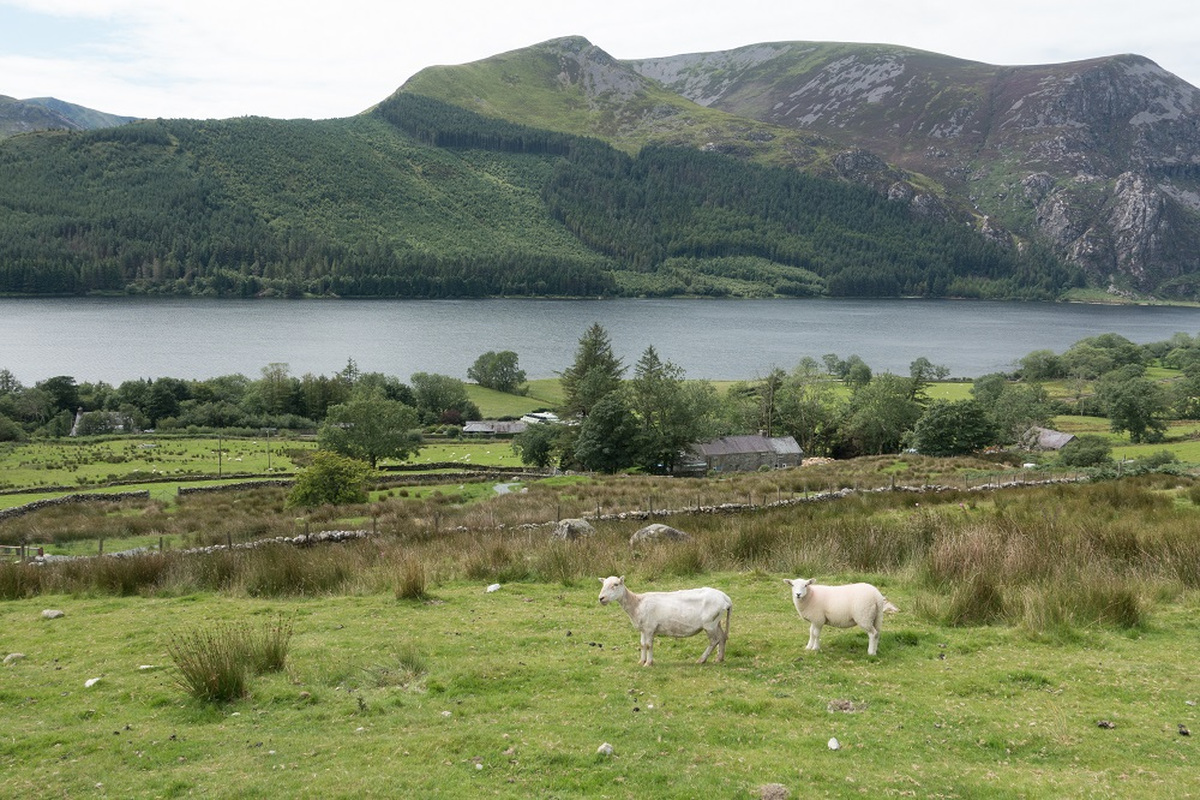
Farming groups have called on the National Trust to pause a nature project in Eryri, saying the loss of traditional sheep flocks from its farms is making it harder for remaining tenants to manage their livestock.
In an open letter to National Trust Cymru director Lhosa Daly, 11 organisations have asked the charity to explain why entire flocks were removed from farms in Nant Ffrancon, Gwynedd, and what consultation took place before it launched its Nature for the People of Nant Ffrancon project.
The Farmers’ Union of Wales (FUW), which drafted the letter, said traditional flocks had been removed from four National Trust farms in the area in recent years, leaving just two holdings with flocks of Welsh Mountain ewes. The signatories estimate there are about 5,000 fewer sheep in the area than at peak levels.
The dispute centres on the loss of hefted flocks. Sheep in these flocks learn to graze a particular part of the open hillside without fences. Ewes pass that knowledge on to their lambs, including where to find grazing and shelter. The FUW says removing one flock can lead neighbouring flocks to roam further, and establishing a new heft can take several generations.
The signatories said the Trust had removed entire flocks of more than 1,000 ewes and launched the nature project “with minimal discussion or consultation with local communities”.
“We seek true transparency and evidence that justifies the National Trust’s land management decisions in Nant Ffrancon and demonstrates that plans have been informed by environmental and socio-economic assessments,” the letter says.
Stocking levels
The letter says the Trust has previously said it considers stocking levels on a case-by-case basis and that removing all grazing livestock is necessary in some rare cases. It also says the Trust has pointed to evidence that changes to grazing have improved species diversity. The signatories say they have yet to see data demonstrating significant improvements and want the Trust to share the evidence behind its decisions in Nant Ffrancon.
They have also asked the charity to explain what criteria it used when deciding whether to buy or remove sheep or compensate tenants, and to meet affected farmers and their representatives.
The letter was signed by organisations including NFU Cymru, Tenant Farmers Association Cymru, the National Sheep Association and Hybu Cig Cymru, as well as Welsh language campaign group Cylch yr Iaith and Llanllechid Community Council.
Landscapes
A National Trust Cymru Spokesperson said: “The Natur i Bobl Nant Ffrancon project reflects the National Trust’s approach to land management, which is guided by the needs of individual landscapes rather than an aim to reduce sheep numbers.
“We recognise that changes to land management can raise concerns for farmers and landowners, particularly in such a culturally rich landscape. At the same time, we face a nature and climate crisis that requires all of us to consider how best to care for the places we depend on for the future.
“Our approach is to work with farmers to restore nature alongside sustainable farm businesses. In some cases this may involve lower stocking densities or mixed grazing systems, but any decisions are based on local conditions and evidence, not blanket targets.
“The start of the Natur i Bobl Nant Ffrancon project marks a step-change in our approach and the start of a longer process of engagement, building on existing partnerships and nature restoration work in the area. We are proud of Eryri’s cultural heritage and the role farming has played in shaping it, and we are committed to ongoing dialogue to ensure farming voices are heard as the project develops.”
Support our Nation today
For the price of a cup of coffee a month you can help us create an independent, not-for-profit, national news service for the people of Wales, by the people of Wales.
Get more trusted Welsh news
Choose Nation.Cymru as a preferred source in Google News to see more of our journalism.