

First bluetongue cases this year confirmed in Wales
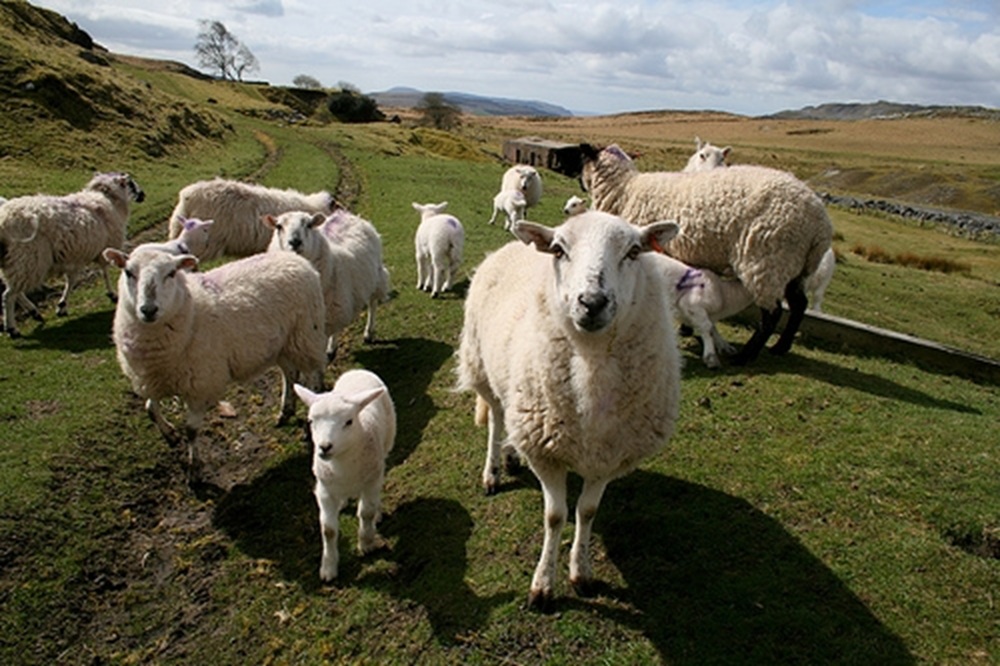
Cases of the bluetongue virus have been detected in Wales for the first time this year, the Welsh Government has confirmed.
The livestock disease, which is spread by biting midges, was identified at two premises — one in Chepstow, Monmouthshire, and another in Presteigne, Powys. Both sites are now under movement restrictions.
Chief Veterinary Officer for Wales, Richard Irvine, described bluetongue as a “potentially devastating disease” and urged farmers to remain vigilant. “Livestock keepers should practise safe sourcing of animals, speak to their vets, and report any suspected cases immediately to the Animal and Plant Health Agency (APHA),” he said.
Bluetongue (BTV-3) affects cattle, sheep, goats, deer and camelids such as llamas and alpacas. While it poses no risk to humans or food safety, it can cause serious illness in animals, including ulcers, fever, breathing difficulties, lameness and stillbirths. The disease is notifiable, meaning suspected cases must be reported.
Extreme concern
Conservative MS Peter Fox said the Welsh cases would cause “extreme concern” in the farming community. “Farmers are already dealing with so many challenges, and this outbreak will send further shock waves through an industry under real pressure,” he said.
“While bluetongue poses no risk to human health, it can be fatal to livestock — a devastating prospect for farm businesses.”
Senior vets have also raised concerns about slow vaccine uptake in Wales, which means many animals still require costly pre-movement testing.
Support our Nation today
For the price of a cup of coffee a month you can help us create an independent, not-for-profit, national news service for the people of Wales, by the people of Wales.


