


Former industrial areas of the UK remain in decline – social mobility report
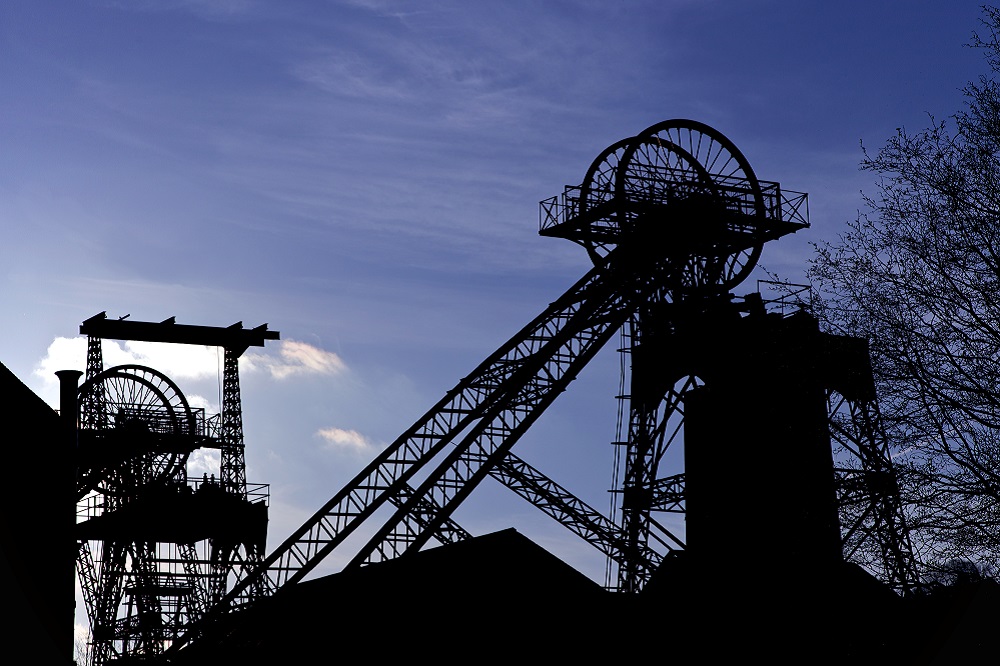
Former industrial and mining communities across Britain are facing “entrenched disadvantage” stretching back some 50 years, the latest research on social mobility has found.
So-called left-behind communities in Yorkshire, the North East, the Midlands, Wales and Scotland which were rapidly de-industrialised throughout the late 20th century are still disadvantaged and facing decline after decades in the same condition, the Social Mobility Commission (SMC) warned.
The commission’s latest State Of The Nation report highlights stark differences in social mobility across the regions and nations of the UK.
Some Britons face fewer job opportunities, a lack of growth and a worse childhood as a result of where they live.
The SMC also warned about the class disparities in the number of young people who are not in education, employment or training (Neets), a group which has grown in recent years.
More than double of the number of young people from working-class backgrounds are Neets (22%) than from professional backgrounds (9%), the SMC said.
The commission did acknowledge there was growth in the percentage of younger people getting good jobs, with 48.2% of 25-29 year olds in professional careers as of 2022-2024, compared with 36.1% in 2014-2016.
However, it also warned of a widening gap between those from privileged and working-class backgrounds who were getting into these jobs.
Women from less well-off backgrounds also continue to experience more difficulty with getting higher-paid jobs than more privileged women, the commission said.
Elsewhere, its report said some areas had become “beacons of hope” for economic growth and social mobility, in particular Aberdeen, Brighton, Bristol, Cheshire West and Chester, Edinburgh, Oxfordshire, Reading and Manchester.
Alun Francis, chairman of the SMC, said: “It is part of the cycle of innovation and economic development that opportunities move around. But in our country they have become over-concentrated in specific places.
“Far too many live and grow up in communities where opportunity has become very limited and outcomes are poor.
“We are seeing signs of positive change, with cities like Bristol, Edinburgh and Manchester showing what is possible, but the pace of change needs to be quicker and the scale much bigger.
“In the meantime, entire communities, often in post-industrial seaside towns have been left behind with deep-rooted disadvantages.
“This is the defining social mobility challenge of our generation and our State Of The Nation report captures the issues that we as a nation need to address.”
Support our Nation today
For the price of a cup of coffee a month you can help us create an independent, not-for-profit, national news service for the people of Wales, by the people of Wales.


