


Fresh calls for customs union reset
Emily Price
Fresh calls have been made for a UK-EU customs union after a major new economic study found that Brexit has reduced UK GDP by between 6% and 8% by 2025.
The research by leading economists Nicholas Bloom, Philip Bunn, Paul Mizen, Pawel Smietanka and Gregory Thwaites concluded that the impact of leaving the European Union has been large, persistent and cumulative.
The report found that, compared to similar advanced economies, the UK has suffered significantly weaker growth since the 2016 referendum.
According to the study, business investment is now 12–18% lower than it would otherwise have been, employment is 3–4% lower, and productivity has fallen by around 3–4%.
The authors of the report argued that the damage has built up gradually over time, driven by prolonged uncertainty, higher trade barriers, reduced demand, and the diversion of management time away from productive activity.
The economists noted that while early forecasts anticipated economic costs, the long-term impact has been deeper and more drawn out than many predicted.
Labour’s election manifesto ruled out signing up to the existing EU customs union despite growing calls among some Labour MPs.
In December, Prime Minister Sir Keir Starmer repeated that his government was not planning to rejoin the EU’s customs union despite the deputy prime minister saying countries in similar unions see a boost to their economies.
The Welsh Liberal Democrats say the findings of the new report confirm that leaving the single market and customs union has created “costly red tape, weakened trade links and undermined investment”.
With Wales particularly reliant on manufacturing, agriculture, food exports and small exporters, the party argues that restoring closer trading ties with the EU will support jobs and growth.
Barriers
The Welsh Lib Dems are calling on the UK Labour Government to negotiate a new customs union with the European Union to reduce trade barriers, support exporters and provide long-term certainty for businesses.
Welsh Liberal Democrat Westminster Spokesperson David Chadwick MP said: “This new report makes clear that Brexit has delivered a slow-burn hit to our economy, cutting growth by up to 8% and hammering investment and productivity.
“Across Wales, we see the consequences every day. Farmers face extra paperwork to sell into Europe, small manufacturers struggle with supply chains, and businesses that once traded seamlessly across the Channel are drowning in red tape.
“Wales cannot afford to carry on with weaker growth and lower wages. We need a serious reset in our relationship with the European Union. A new UK-EU Customs Union would cut trade barriers, boost confidence and give Welsh businesses the certainty they desperately need.
“The Welsh Liberal Democrats will keep fighting for closer ties with Europe so we can rebuild our economy, protect jobs and deliver the growth our communities deserve.”
Last year, proposals to create a new UK-EU customs union were supported in the House of Commons, following a vote by MPs.
Vote
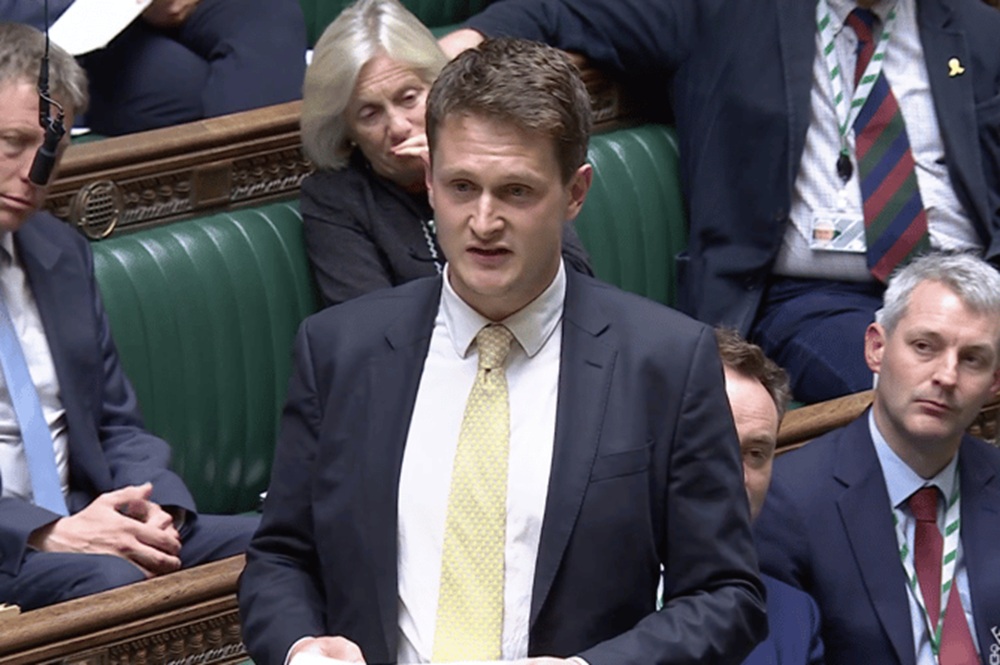
The Customs Union (Duty to Negotiate) Bill, tabled by the Liberal Democrats’ Europe spokesman Al Pinkerton in December, ended in a surprise tie of 100 votes to 100, giving the deputy speaker the casting vote.
The majority of Labour MPs abstained from the vote, except for three who voted against and 13 who voted in favour.
Bills tabled in this manner are unlikely to become law without UK Government support, but they do allow MPs to make a case for new legislation in the Commons.
Support our Nation today
For the price of a cup of coffee a month you can help us create an independent, not-for-profit, national news service for the people of Wales, by the people of Wales.



I would say.this economists report on UK should get priority time from MPs and UK gov,not.Andrew .ountbatten.