


Fruit and vegetable producers say Iran war could cause empty supermarket shelves
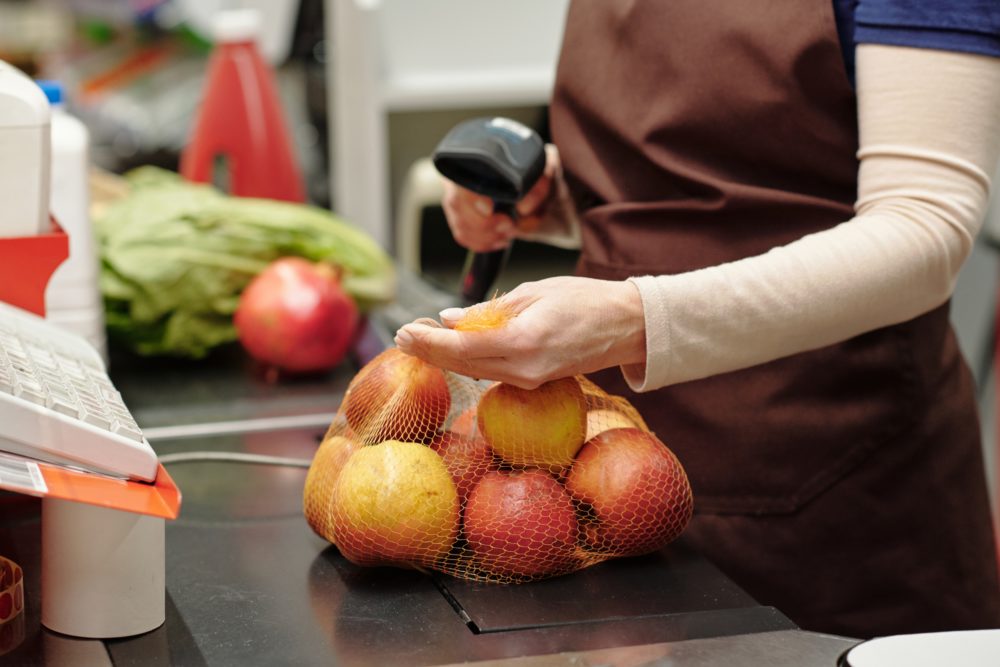
Fruit and vegetable producers have warned they may be forced to halt production and end the season early because of the rising price of energy and transportation costs following the war in Iran.
Growers’ associations responsible for producing fruit and vegetables across the country have said this may result in empty shelves in the supermarkets.
Lea Valley Growers Association (LVGA) secretary Lee Stiles warned that supermarket shelves may be empty if nothing is done to support the industry.
He said: “Growers are in the same position now as they were when Russia invaded Ukraine, because the wholesale gas prices are creeping up.
“With rising costs, many growers are thinking they might as well send the staff home, stop for the season and not produce anything.
“They’re going to have to make a decision in the next few weeks as to whether or not it’s going to be economic to continue for the rest of the year.”
LVGA covers 70 glasshouse growers, mostly around the London border, but also across the country. They are the biggest grower of cucumbers in the UK, as well as growing sweet peppers, aubergines and tomatoes.
If growers cannot afford to turn their boilers on, the glasshouses are no longer heated, meaning that the crops will stop growing, leading to reduced yields.
Mr Stiles added: “Back in 2022 when Russia invaded Ukraine, we ended up with empty shelves in the supermarkets.
“The supermarkets agreed a fixed price with growers last year. They can intervene now if they wish and agree to pay more for the produce because of the increased cost of production.
“But it looks as though they’re prepared to have empty shelves again and reduced availability.”
The sentiment was echoed by Rachael Williams from the West Sussex Growers Association (WSGA).
She said: “I have touched base with our growers and everybody’s obviously worried. They are worried about what will happen, how it will develop, and the uncertainty of it all.”
Ms Williams said that it is not just direct energy costs that are worrying growers.
She said: “It’s four-fold really. It’s the rise in transportation costs, input costs, supply chain disruption, and then, of course, from the energy perspective heating the glasshouses.
“On the transport cost, red diesel has gone up by more than 50% in just 10 days, that’s huge for open field growers using tractors too.”
On March 1, red diesel was priced at 79.44 pence per litre, as of March 12 it was 131.26 pence per litre, according to heating oil firm BoilerJuice.
WSGA covers fruit, vegetable and ornamental plant production predominantly in West Sussex. They grow sweetcorn, courgettes, lettuce, strawberries and blueberries, among others.
This comes as the National Farmers’ Union (NFU) met with the Department for Environment, Food and Rural Affairs (Defra) to discuss the UK’s food resilience.
NFU president Tom Bradshaw said: “We’ve already seen this situation play out with the Russian invasion of Ukraine which drove an ongoing cost-of-living crisis here. And, with the removal of farm support which added a layer of resilience for many farm businesses, farmers are more exposed than ever to global markets.
“While the impact on food production and food price inflation will depend on what happens over the coming weeks, it is yet another sobering reminder of the need to build resilience in UK farming.”
Support our Nation today
For the price of a cup of coffee a month you can help us create an independent, not-for-profit, national news service for the people of Wales, by the people of Wales.



If a war broke out on a distant planet we would have certain professions on Earth claiming that it would cause hardship and shortages here with prices having to increase. It’s all about greedy slimey opportunists.
Perhaps we shouldn’t be growing “sweet peppers, aubergines and tomatoes” in heated greenhouses around London as this article suggests. If we stuck to seasonal and native fruit and veg then our food supply and the prices would not be affected by wars in the middle east and the wholesale price of gas. This morning is a fine spring day in Carmarthenshire and the new born lambs are bleating with the cows munching to their hearts content of the lush native pastures. Not long before the early potatoes will be harvested. You eat tomatoes in July, when the rain and sunshine… Read more »
Or import them from southern Spain using solar powered trains.
It won’t affect beer supplies will it?