


Ghana conference urges slave-trade nations to issue apologies and reparations
Associated Press Reporter
African and Caribbean leaders in Ghana on Friday urged former slave-trading nations to issue apologies and reparations over the trafficking of enslaved Africans, after a landmark UN resolution in March declaring it “the gravest crime against humanity”.
The Next Steps conference in the Ghanaian capital Accra issued a declaration calling on countries involved in the Atlantic slave trade to “offer full, formal and unconditional apologies as a foundational step towards reconciliation, trust-building and reparatory justice”.
The UN resolution is non-binding but carries moral authority. Organisers said the Ghana conference was aimed at moving the reparations debate from recognition to concrete measures, including moves to require compensation under international law.
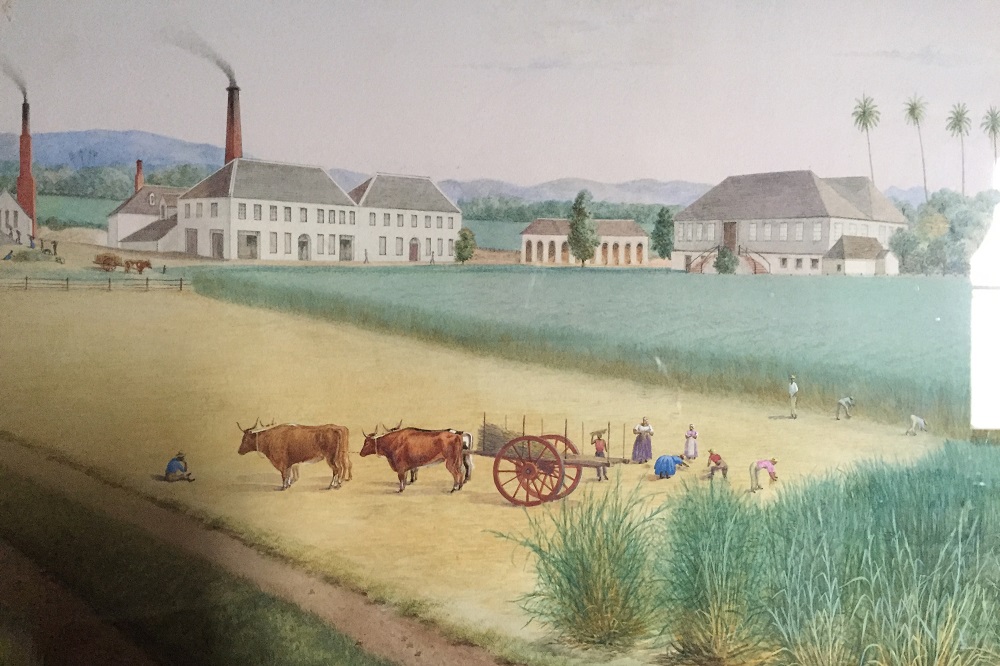
About 12 million Africans were forcefully taken by traders from European nations from the 16th to the 19th century and enslaved on plantations that built wealth at the price of misery.
Ghana President John Dramani Mahama said the UN resolution had created a new opportunity for meaningful engagement on reparations.
He said the effects of slavery continue to be felt across Africa, the Caribbean, and the wider African diaspora.
“We’re here because recognition creates responsibility, and because the enduring consequences of this history continue to demand thoughtful, co-rdinated, and sustained international engagement,” Mr Mahama told delegates from more than 80 countries.
At a reparations summit in Ghana in 2023, participants proposed establishing a Global Reparation Fund, though they did not clarify how it would operate.
Positions on reparations are mixed in countries that would contribute.
For example, residents of the United States view the prospect of reparations mostly negatively.
A Pew Research Centre survey conducted in 2021 found that only about three in 10 US adults said descendants of people enslaved in the US should be repaid in some way, such as being given land or money.
Some activists say reparations should include direct financial payments, but also developmental aid for countries and the return of colonised resources.
Support our Nation today
For the price of a cup of coffee a month you can help us create an independent, not-for-profit, national news service for the people of Wales, by the people of Wales.
Get more trusted Welsh news
Choose Nation.Cymru as a preferred source in Google News to see more of our journalism.



The paid reparations to the owners, never to the slaves. Many owners benefitted from that for generations.
There’s a database where folks can check how much their ancestors were paid: https://www.ucl.ac.uk/lbs/
Yeah, when you point out history vs perceived Empire it grates on some people. Its why Colston ended up in the dock.