


Globally threatened Shore Dock given new hope in north Wales
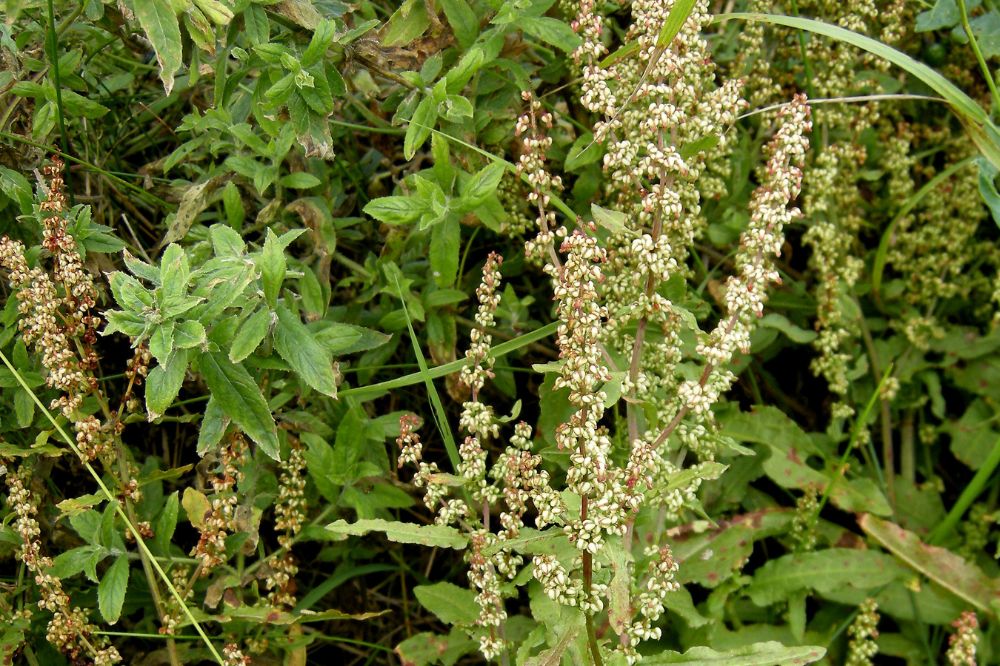
One of the UK’s rarest coastal plants is being brought back from the brink thanks to a major conservation partnership working to restore its fragile habitat in north Wales.
Fewer than 5,000 Shore Dock plants remain in the wild worldwide, but conservationists are working to secure its future at Newborough on Ynys Môn, one of its most important sites, by restoring the conditions it needs to survive and reintroducing hundreds of carefully cultivated plants.
Last week, more than 500 Shore Dock plants were returned to the site in the first in a series of planned re-planting cycles.
Clare Sampson, Natur am Byth Project Manager for RSPB Cymru, said: “North Wales is home to incredible landscapes and rare species that deserve to be protected for future generations.
“Through Natur am Byth!, we’ve been able to boost Shore Dock at Newborough and take an important step towards a sustainable population. This has been a true partnership effort – and we’re committed to building a lasting legacy for this species”.
Phil Esseen, Head of Plants at Chester Zoo where the plants were nurtured, said Wales presented an important stronghold for the species.
He added: “It has been a privilege to grow these unique plants from seed, ensure they thrive under carefully controlled conditions and help return them to their rightful place.
“Conservation isn’t just about animals. Protecting plants like shore dock is essential to restoring whole ecosystems.
“We’re proud to support a project like Natur am Byth!, without which these plants would not be able to establish in the wild.”
Shore Dock grows in a highly specialised coastal environment, relying on a delicate balance of freshwater and sandy, open habitats. Over time, these conditions have been lost or degraded, putting the species at risk.
Work at Newborough has focused on restoring these habitats through measures such as scrub clearance, grazing and improving freshwater conditions to give the plant the best chance of survival.
Graham Williams, Senior Officer for the Land Management team at Natural Resources Wales, said: “Shore Dock is our rarest dock species and grows in particularly challenging and marginal habitat that is much impacted by its location.
“The planting out of docks grown from seed native to Newborough is one of many interventions at our disposal that will enhance the fortunes of this rare species”.
The project forms part of Natur am Byth!, a Wales-wide programme bringing together conservation organisations to save some of the country’s most threatened species.
As well as helping Shore Dock, the work is already supporting a wider network of wildlife, from insects to amphibians, by improving the overall health and resilience of the coastal ecosystem.
Robbie Blackhall-Miles, Vascular Plants Officer for Plantlife, added: “Shore Dock is globally threatened, and Wales holds a significant proportion of its remaining population. It’s important that the population at Newborough is maintained and managed to ensure its continued survival”.
While this latest phase marks real progress, conservationists say ongoing management will be crucial to ensure the species can establish and thrive in the long-term.
For now, the return of Shore Dock to its coastal home offers a powerful sign of what can be achieved through partnership working – and a renewed sense of hope for one of the world’s most threatened plants.
Support our Nation today
For the price of a cup of coffee a month you can help us create an independent, not-for-profit, national news service for the people of Wales, by the people of Wales.



This dock is susceptible to out-competition by other vigorous perennials so therefore relies on regular coastal erosion and physical habitat disturbance. Significantly it can also withstand grazing by cattle, sheep, and horses, and this will provide an ecological benefit by preventing succession from open to closed vegetation. Is there conservation grazing in place?