


Government plan to equalise minimum wage ‘not changed’, minister insists
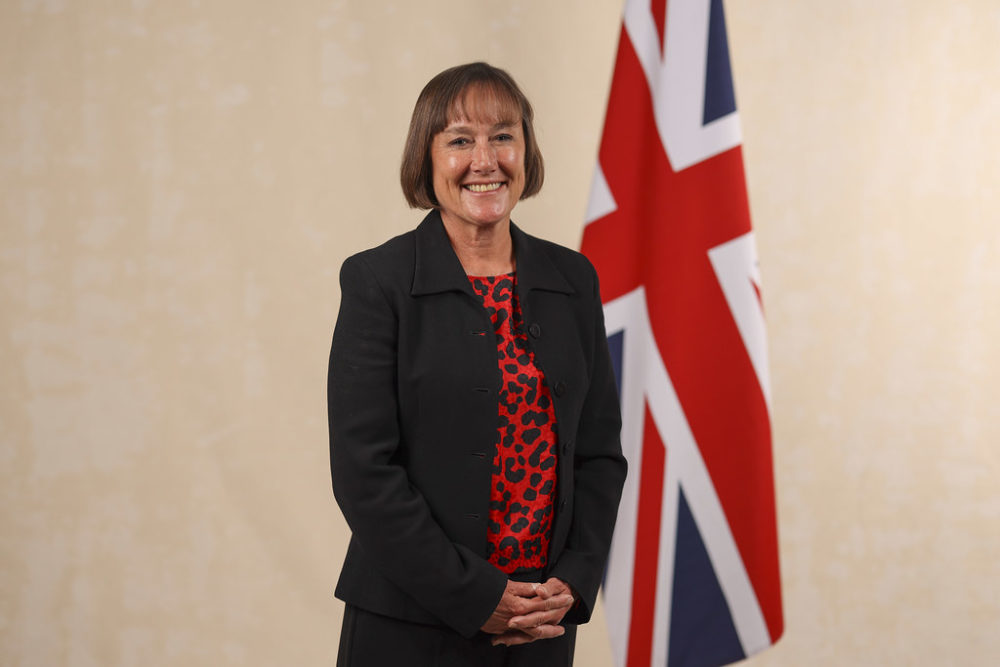
The Government’s plan to equalise the minimum wage between younger and older workers “has not changed”, the Welsh Secretary has insisted.
Jo Stevens has said there has been no U-turn on Labour’s manifesto pledge to “remove the discriminatory age bands” in the minimum wage system.
However, Chancellor Rachel Reeves dodged the question when asked whether she would delay plans to increase wages for 18 to 20-year-olds.
It comes after The Times newspaper reported that the promise was under review, amid fears the higher cost of employing young people could put off firms from hiring them.
Speaking on Sky News on Wednesday, the Welsh Secretary insisted the Government’s position “has not changed”.
On the BBC’s Today Programme, she said: “There’s an unsourced briefing in the Times this morning, that is not Government policy.
“Government policy is as we set out in our manifesto.”
Speaking at a supermarket in south London, the Chancellor said “people deserve a fair day’s pay for a hard day’s work” but did not deny a delay when reporters asked twice about the plans.
She said: “We already have incentives to hire young people with the apprenticeship rate of the minimum wage, but also for no national insurance contributions for the youngest workers.”
She added: “There are more people in work than there were this time a year ago.
“But I do recognise that there are challenges, particularly around young people leaving school, college and university, the Covid generation of young people who did miss out on so much during those years.
“And as a Government, we are determined to do everything we can to support them.”
According to Office for National Statistics (ONS) figures, the unemployment rate for 16 to 24-year-olds surged to 16.1% in the three months to December – the highest level since early 2015.
Ms Stevens told the BBC she does “not accept” that the minimum wage causes problems for employers.
She said: “The Low Pay Commission says that the evidence does not show that there is a direct correlation between problems and the raising of the national minimum wage.
“We came into work on a manifesto to make work pay, and that’s exactly we’re doing.”
Ms Stevens added that there have been “many naysayers” over the minimum wage since it was introduced.
“People said in 1998 that it caused mass unemployment, and it didn’t,” she said.
“And every time there is a rise in the national minimum wage, people complain about it.
“The fact is, people shouldn’t be on poverty wages.”
Employers must pay workers aged between 18 and 20 at least £10 an hour – a figure which will rise to £10.85 in April.
Older workers aged 21 and over must receive at least £12.21 – rising to £12.71.
Support our Nation today
For the price of a cup of coffee a month you can help us create an independent, not-for-profit, national news service for the people of Wales, by the people of Wales.



Reform want to scrap it. Wonder how un sourced briefings happen….
Jo, the loyalist of Wales’ many London Labour poodles, is always the LAST one to know when it’s time for walkies! “To heel Jo!”, says Sir Keir masterfully, “we are off to U-turn park again today!” Tragic if it wasn’t by now totally laughable.