


Government targets expensive homes and landlords with property taxes
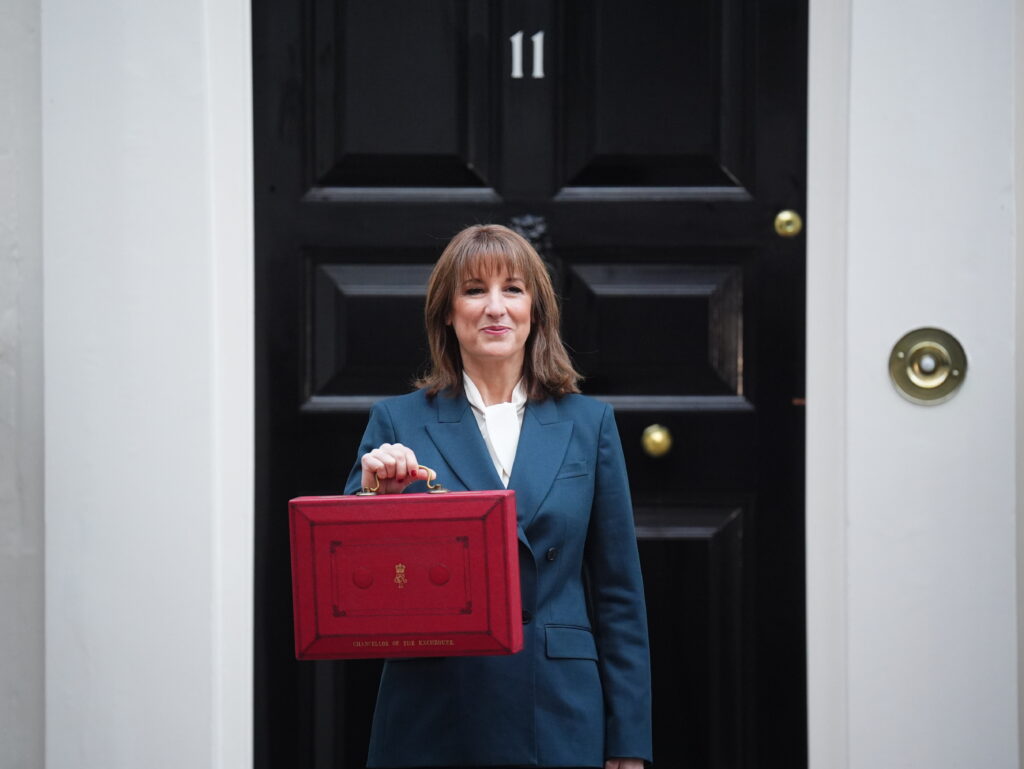
The Chancellor has announced a property tax shake-up with a new charge on expensive homes and a tax hike targeting landlords.
Rachel Reeves said she was introducing a high value council tax surcharge in England on homes above £2 million from April 2028.
The move is intended to target more expensive homes to make the system fairer – with the typical family home in England currently paying more per year in council tax than a £10 million property in London’s Mayfair, according to the Treasury.
There will be four price bands with the surcharge starting at £2,500 a year for properties worth more than £2 million, and rising to £7,500 for properties worth more than £5 million.
The charge will sit on top of usual council tax and will be applied to property owners, rather than tenants.
The Government estimates that fewer than 1% of all UK properties will be subject to the additional tax – but that it will raise more than £400 million in 2029-30.
The tax measure will primarily affect properties in the London and south-east England, where 80% of all UK homes above £2 million are located, according to property portal OnTheMarket.
Furthermore, the Government is raising taxes on property income by two percentage points, a measure set to reduce the amount of money that private landlords make.
This will see the property basic rate rise to 22%, the higher rate to 42%, and the additional rate to 47%, applying in England, Wales and Northern Ireland.
The measure is estimated to raise £500 million a year on average from 2028-29.
The Office for Budget Responsibility (OBR) cautioned that this will result in fewer rental properties on the market, therefore driving up prices in the long term should demand outpace supply.
Experts said the new high value council tax surcharge, dubbed a “mansion tax”, could have knock-on effects for the property market.
Colleen Babcock, a property expert for Rightmove, cautioned over “distortion” at the top end of the market, saying: “Sellers of homes priced very close to the £2 million mark may need to ask for £1.99 million to avoid putting off potential buyers.”
“And retired homeowners who benefited from house price inflation may face the difficult decision of whether they can afford the annual upkeep of a £2 million home,” she added.
Simon Bashorun, head of advice for wealth manager Rathbones Private Office, agreed that the tax “risks creating price cliffs near the threshold”, which could lead to fewer sales and prevent renovations.
He added: “This could stifle housing development and even reduce property tax revenues – undermining the Government’s objectives.”
Other experts said that renters could end up baring the brunt of higher tax rates on property income.
Matt Hutchinson, director of flatshare site SpareRoom, said: “There’s a very real risk landlords facing reduced profit margins will pass this on to tenants by increasing rents, which are already at record highs.
“Driving landlords out the sector in the middle of a supply crisis that’s keeping rents unaffordably high helps no-one, least of all renters.”
Adam Jennings, head of lettings at Chestertons, said: “Increasing income tax for landlords could have dire consequences on the rental market.
“More landlords could decide to sell up which will result in fewer available rental properties and leave more renters struggling to find a property within their budget.”
Support our Nation today
For the price of a cup of coffee a month you can help us create an independent, not-for-profit, national news service for the people of Wales, by the people of Wales.



“The charge will sit on top of usual council tax and will be applied to property owners, rather than tenants”
Good luck figuring out which Russian oligarch owns the £10m property and getting their offshore shell company to pay up.
It should be for occupants to pay for the same reason ctax is paid by occupants, because no-one really knows who owns property because if they did the UK (London) would lose its only post-Brexit growth success story – as the best place for the world’s superich to hide their ill-gotten gains.