


Grandchildren of last woman to be hanged in Britain seek posthumous pardon
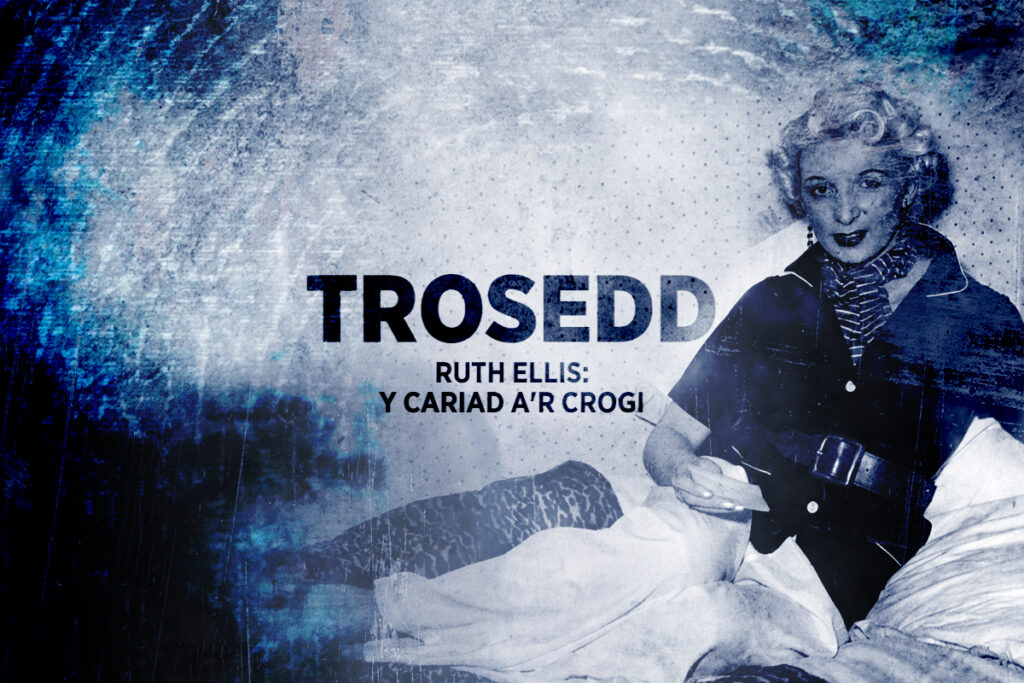
The grandchildren of the last woman to be hanged in Britain are seeking a posthumous pardon, saying she was physically and emotionally abused by her partner before killing him.
Ruth Ellis was born Ruth Neilson in Rhyl, Denbighshire, on 9 October 1926, the fifth of six children.
She moved to Basingstoke, Hampshire, England, with her family during her childhood and later worked as a nightclub hostess. She was famously executed on 13 July 1955 after being convicted of murdering her lover, David Blakely.
The sentence was carried out at Holloway Prison.
Ellis shot Blakely dead outside The Magdala pub in Hampstead, London, following a tumultuous relationship involving infidelity on both sides, an aborted pregnancy, and physical abuse by Mr Blakely – including a punch in the stomach during an argument that led to a miscarriage.
Death penalty
The British public was already questioning whether capital punishment had a place in 20th-century society, and Ellis’s case was politicised in the discussion of the death penalty as a method of punishment in modern Britain.
The judge told the jury to disregard the fact that the 26-year-old mother of two had been “badly treated by her lover” as a defence.
Ellis’ grandchildren have now applied to justice secretary David Lammy seeking a conditional pardon.
Laura Enston, Ellis’ granddaughter, said: “Ruth’s execution has had a devastating impact on our family.
“My mother and uncle suffered from trauma from which neither of them were able to recover, and as grandchildren we have felt these ripple effects.
“The evidence shared with the justice secretary makes clear that the punishment did not fit the crime.”
Under cross-examination, Ellis admitted that she intended to kill Blakely, and the jury took just 20 minutes to convict her of murder – a charge that carried a mandatory death sentence.
Unlike court appeals, pardons can consider broader factors, such as social developments, that may render a conviction or its resulting punishment inappropriate or unfair.
Ms Enston said that the case had resulted in Ellis’ children being dogged by mental health problems, describing her mother as “a very tormented woman”, while her uncle took his own life.
“We are determined to do what we can to right this historic injustice and honour not only Ruth but all victims of domestic abuse who have been let down by the criminal justice system,” she said.
Impact
Alex Bailin KC, representing Ellis’ family, added: “Thankfully, 70 years after Ruth was hanged, there is now a much better understanding of the impact of domestic abuse on the emotional wellbeing and behaviour of victims.
“Based on the evidence we have reviewed, if Ruth’s case had taken place in modern times, she would have been able to plead a defence of diminished responsibility or loss of control.
“A posthumous conditional pardon for Ruth Ellis would correct a historical wrong and send a clear message to the public that violence against women and girls is never acceptable.”A new Welsh-language documentary, Ruth Ellis: Y Cariad a’r Crogi (The Lover and the Hanging), aired on S4C on Tuesday 21 October, shedding new light on the life, love, and legacy of the last woman to be hanged in Britain.
Ruth Ellis: Y Cariad a’r Crogi is available to stream on S4C Clic now and includes English subtitles.
Support our Nation today
For the price of a cup of coffee a month you can help us create an independent, not-for-profit, national news service for the people of Wales, by the people of Wales.


