


Half of Year 6 pupils in Wales regularly use social media
Mark Mansfield
More than half of children in the final year of primary school in Wales regularly use social media, despite most major platforms setting a minimum age of 13, according to new research.
Data published by Public Health Wales shows that 53.3% of girls and 49.7% of boys in Year 6, aged 10 and 11, regularly use social media sites and apps.
The findings come from the Schools Health Research Network (SHRN) Student Health and Well-being Survey, which gathered responses from more than 50,000 pupils in over 500 primary schools across Wales during 2024.
The survey also found that smartphone ownership rises steadily throughout primary school. Around 39% of Year 3 pupils, aged seven and eight, own a smartphone, rising to more than three-quarters of Year 6 pupils, including 77.2% of girls and 75% of boys.
Researchers found social media use increases throughout the primary school years. While around one in five Year 3 pupils reported regularly using social media platforms, the proportion rises each year as children get older.
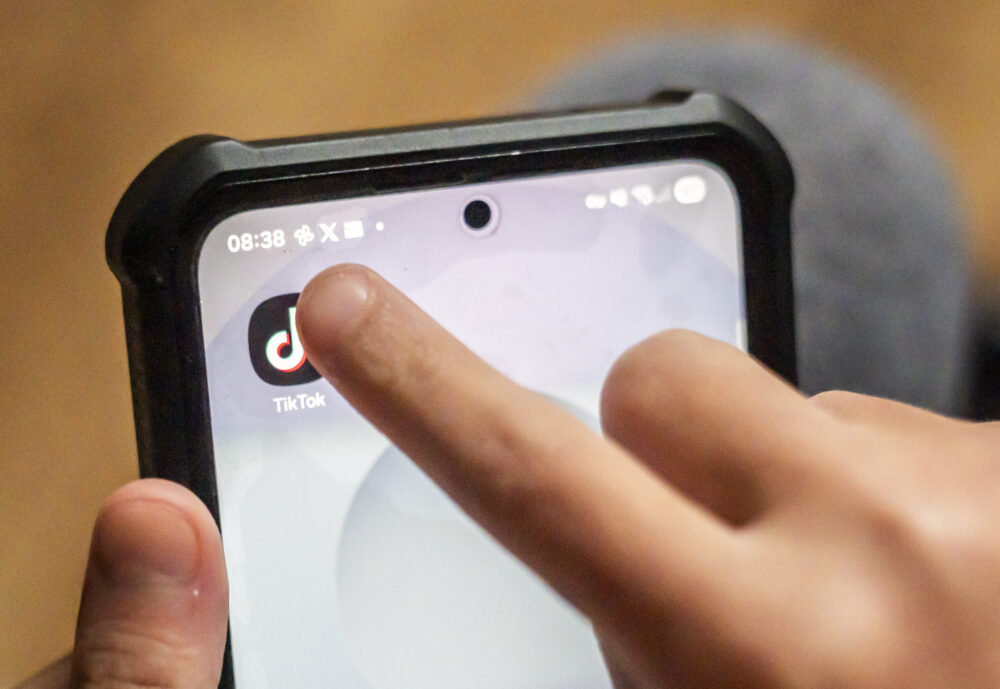
The survey asked pupils about their use of platforms including Instagram, TikTok, Snapchat and Facebook.
Public Health Wales said the findings raise concerns about children’s exposure to social media at a young age.
Public Health Wales said the findings raise concerns about the extent of social media use among primary-age children.
Lorna Bennett, consultant in public health for educational settings at Public Health Wales, said: “The level of social media use at such a young age indicated by the SHRN survey is a potential concern as there’s evidence that social media use can be associated with negative impacts on mental health for some children.”
She added: “Regular exposure to social media websites and apps can have a negative impact on young people. Frequent engagement can heighten perceived social pressures and social comparisons which can negatively affect well-being and body image.”
She also warned that young children face risks from inappropriate content and online contact.
“Being on social media sites carries the risk of exposure to harmful content and inappropriate contact with adults, and young children are less able to discern what is appropriate contact or assess potential risks.”
She said there were growing concerns about features designed to keep users engaged for long periods.
“Exposure to addictive features, such as infinite scrolling, can extend the time children are on apps, taking them away from other activities, such as physical activity or other hobbies and interests.
“There are also growing concerns that addictive features may influence brain development and behaviours such as impulse control and attention spans.”
Restrictions
Ms Bennett welcomed plans to introduce new restrictions on young people’s access to social media platforms.
“Given the level of smartphone ownership among children and young people in Wales, the announcement of an upcoming ban on under-16s accessing high-risk social media platforms, and restrictions on older teens accessing platforms late at night, are important steps in ensuring children and young people continue to benefit from technology whilst being kept safe online.”
She added that parents and carers should “carefully monitor and restrict social media use among young children according to platform restrictions”.
The SHRN survey is carried out by Cardiff University in partnership with the Welsh Government and Public Health Wales.
Monitoring
Dr Kelly Morgan, director of SHRN at Cardiff University, said: “These findings, set within a wider context where many learners regularly use digital devices for entertainment, highlight an issue that needs ongoing monitoring in a rapidly changing digital environment.
“SHRN gathers information on a wide range of areas relating to children’s health and well-being. This robust, national-level data helps schools better understand the experiences of their learners. The insights are intended to support teachers, enabling them to respond to emerging issues and strengthen the support they offer to children and young people.”
Support our Nation today
For the price of a cup of coffee a month you can help us create an independent, not-for-profit, national news service for the people of Wales, by the people of Wales.
Get more trusted Welsh news
Choose Nation.Cymru as a preferred source in Google News to see more of our journalism.


