


Health board hits back over hospital bed occupancy figures
Nation.Cymru staff
Health bosses have defended controversial proposals for the future of community hospitals after figures showed beds at some sites were running at up to 98% capacity.
Powys Teaching Health Board said high occupancy rates did not necessarily mean more beds were needed and argued the figures reported by Nation.Cymru on Friday showed only “one part of a more complex picture”.
Figures obtained by the Welsh Liberal Democrats through a Freedom of Information request showed six of the eight hospitals covered had average bed occupancy above 90% during 2025.
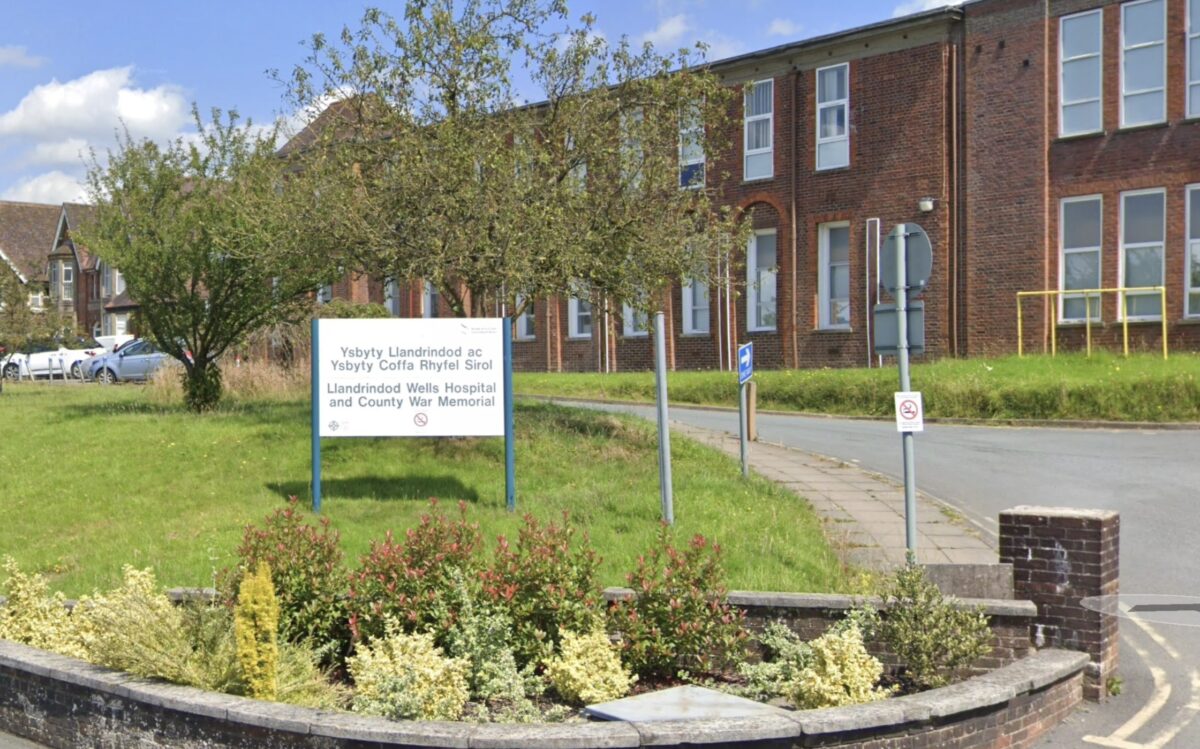
Llandrindod Wells and Machynlleth had the highest rates at 98%, followed by Welshpool and Newtown at 96%, Brecon at 94% and Llanidloes at 91%.
The figures emerged amid controversy over the health board’s Better Together programme, which could see community hospital beds removed from some sites.
Responding to the figures, the health board said: “Bed occupancy figures provide an important snapshot of activity, but they do not on their own tell us whether people are receiving care in the most appropriate setting or whether different forms of care could achieve better outcomes.”
Asked whether high occupancy meant more beds were needed, it said the “short answer” was no.
It added: “The evidence tells us that too many people are spending too long in a community hospital bed because the support required to help them return home is not always available.
“In many of our hospitals half of the patients are waiting for support to enable them to return home, and a community hospital bed is not the best place for their care.
“Other patients in community hospital beds would not need hospital admission if specialist community healthcare services were available in the home.”
The health board said prolonged hospital stays could contribute to functional decline, loss of independence and an increased likelihood of readmission.
“For many people, particularly older adults, home is the best place to recover, maintain independence and avoid the harms associated with prolonged hospital stays,” it said.
Waiting
Brecon, Radnor and Cwm Tawe MP David Chadwick and Brycheiniog Tawe Nedd Senedd Member Jane Dodds had said patients were already being forced to remain in major hospitals outside Powys because beds were unavailable closer to home.
The health board acknowledged some patients were waiting for community beds, saying that on Wednesday four people in district general hospitals were ready and waiting for a Powys bed.
But it said most delays involved people waiting for packages of health and care to allow them to return home and “could significantly reduce if we provided more health care in the home”.
Mr Chadwick had said the occupancy figures should “set alarm bells ringing”.
He said: “Our community hospitals play an absolutely vital role in allowing people to recover closer to home, supporting families and helping patients move out of larger acute hospitals when they no longer need to be there.
“The answer to that problem cannot be to remove more capacity from our communities. Powys needs more community and social care beds, not fewer.”
Consultation
The health board said Better Together was intended to strengthen community services so more patients could receive care at home and fewer would need treatment in district general hospitals.
It said: “We know these discussions matter deeply to local people because community hospitals are valued parts of their communities.
“That is why we are committed to an open and transparent conversation about the future of safe, high-quality health care, supported by evidence and shaped by the views of the people who provide and use these services.”
A formal public consultation on options for the future is expected later this year, with the health board saying no decisions would be made until the consultation had taken place.
Support our Nation today
For the price of a cup of coffee a month you can help us create an independent, not-for-profit, national news service for the people of Wales, by the people of Wales.
Get more trusted Welsh news
Choose Nation.Cymru as a preferred source in Google News to see more of our journalism.



A complex picture indeed. The main background is the requirement by Welsh Government to bring the budget out of deficit. As users of the community hospitals, our big fear is that they will continue whilst the crucial community services (district nursing, OT,physiotherapy) will be further cut to pay for them. The inpatient service is of mixed quality but generally poor, the skill mix in the hospitals is weak (eg no infusions), the mix of patients is scary (no sleep at night due to patients screaming) if the trust is to continue running them, needs to be determined attempt to bring… Read more »