


Historic copperworks laboratory restoration nears completion
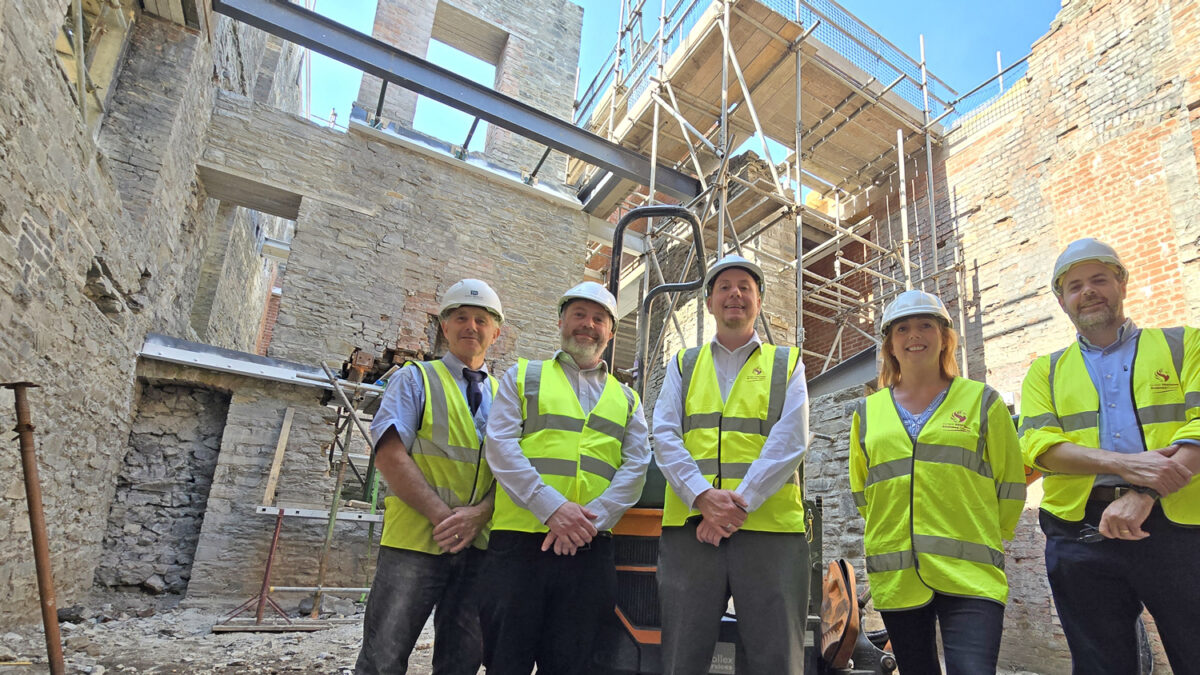
Richard Youle, Local Democracy Reporter
The transformation of a building where copper ore was thought to be tested during Wales’ industrial heyday is due to be completed this year.
Council contractors have been working on the Laboratory Building at the Hafod-Morfa Copperworks site in Swansea since late 2024 and are starting to install new floors. A Welsh slate roof will also be added.
It’s one of a number buildings at the site that have been or are being restored, including a Penderyn whisky distillery, and it’ll be ready for internal fit-out once finished.
The council said future uses could include it becoming a restaurant for more than 100 diners.
The grade-two listed Laboratory Building with its ornate windows and stone doorway is next to the Morfa Gates, once a key copperworks entrance.
The council said it was probably used to test the quality of copper ore coming into the site.
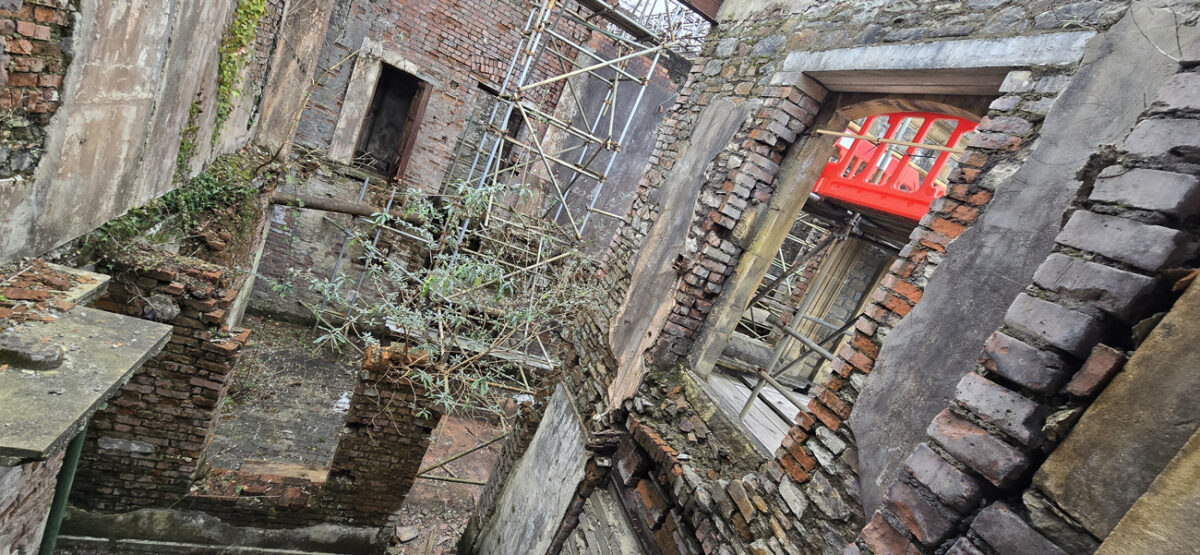
A council spokesman said the rebuild was part of its ongoing programme to regenerate the Lower Swansea Valley, with support via the UK Government’s local regeneration fund.
Council leader Rob Stewart said: “We’re bringing the historic Laboratory Building back into use so and it’s great to see the floors going in and the building coming back to life.
“The copperworks site has the potential to become a major leisure destination, building on its status as a key part of Swansea’s heritage.”
He added: “We’re pushing forward with the restoration of the Tawe river corridor and the Lower Swansea valley project. Penderyn are there, the two historic engine houses are being restored, and we have plans for more boating pontoons on the river.
“A new river walkway is planned, new facilities will be created along the river, and a new major tourism destination is set to open nearby.”
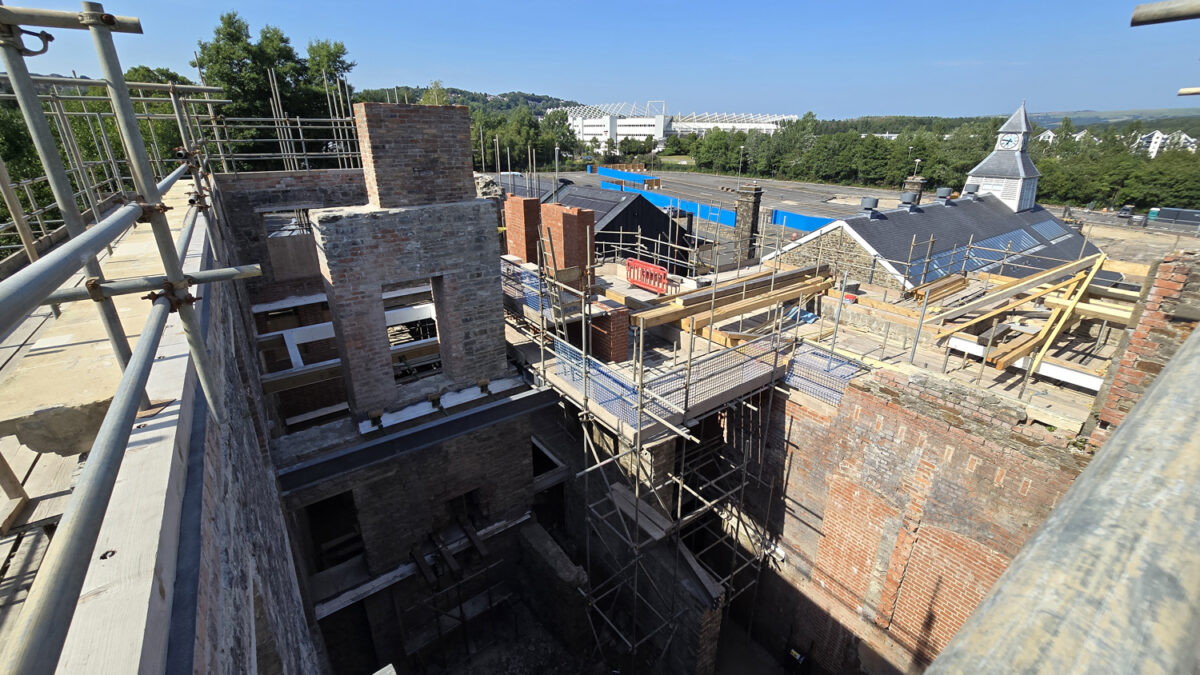
John Weaver Contractors have been overhauling the Laboratory Building. GWP Architecture and Coreus Group are also involved. The council said a search for a tenant would get under way shortly.
The nearby Vivian and Musgrave engine houses will also be restored.
The council’s planning committee heard last month that remains of wheel pits, rolling mill trenches and furnace bases – some potentially up to 200 years old – were found at the engine houses during excavation work.
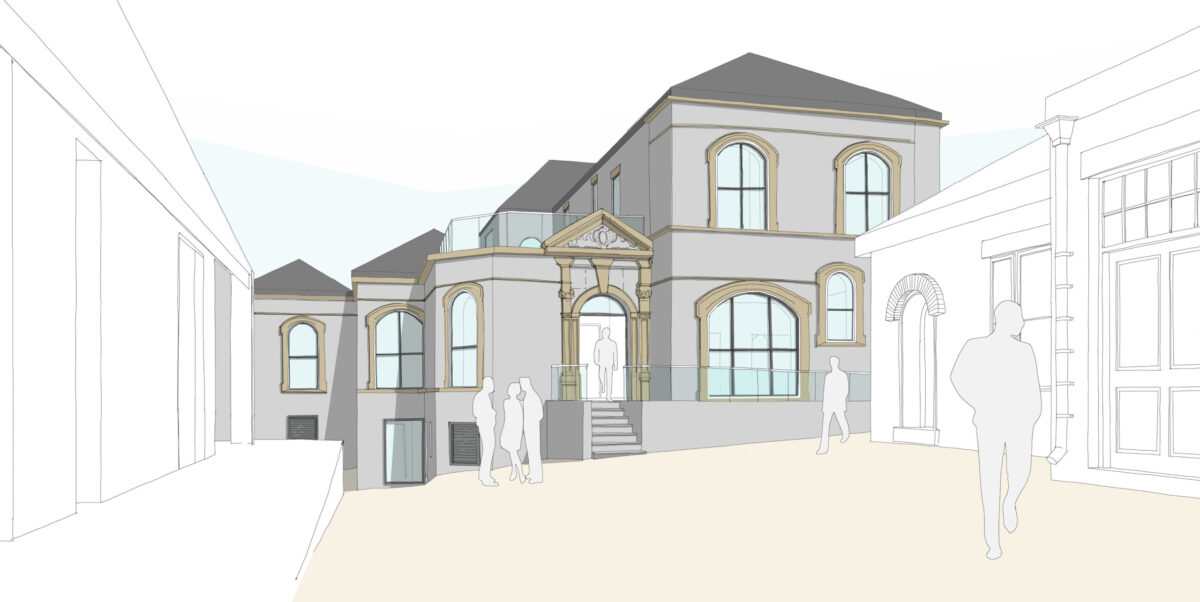
The project includes a new link building between the grade two-listed engine houses. The new-look site will be suitable for restaurant, cafe, retail, and exhibition uses when completed.
Support our Nation today
For the price of a cup of coffee a month you can help us create an independent, not-for-profit, national news service for the people of Wales, by the people of Wales.
Get more trusted Welsh news
Choose Nation.Cymru as a preferred source in Google News to see more of our journalism.


