


History correspondent reveals must-visit historic sites in Wales
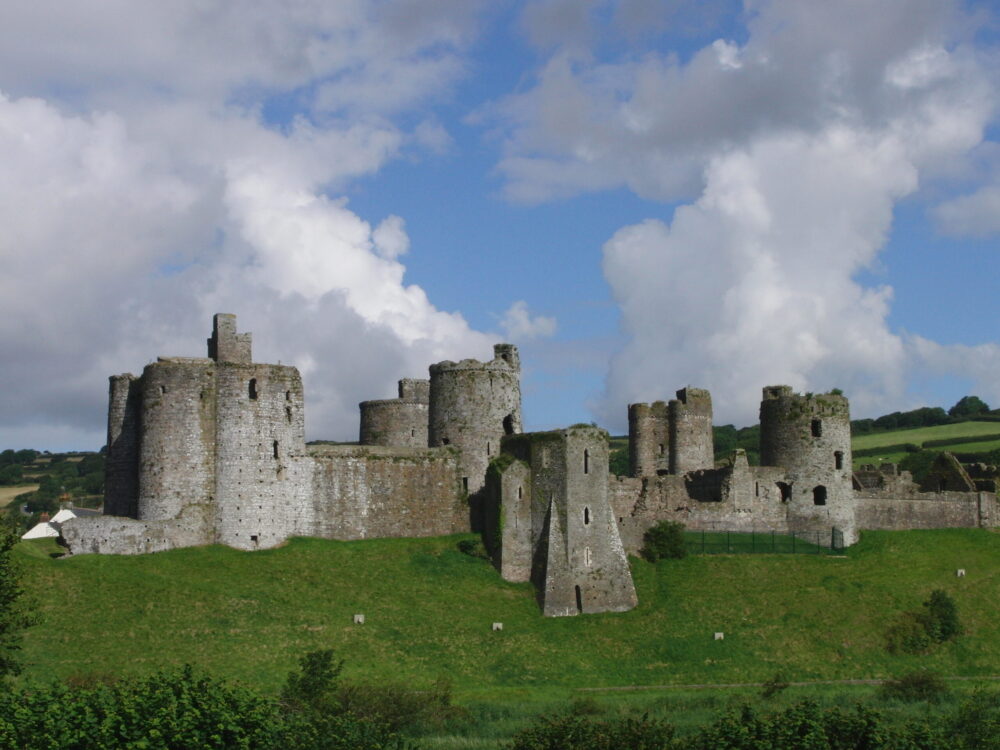
A history correspondent has shared her top five historic sites in Wales after a week-long road trip across the country.
Jacklynn Botwe, who goes by the social media handle @Byjacklynn, shares her travels both around the UK and the world “in pursuit of history” with her 628k instagram followers.
In a video posted on 20 April, Jacklynn revealed her favourite places from her visit to Wales, on which she explored seven castles, chapels and various historic sites.
The top spots went to:
St Govan’s Chapel
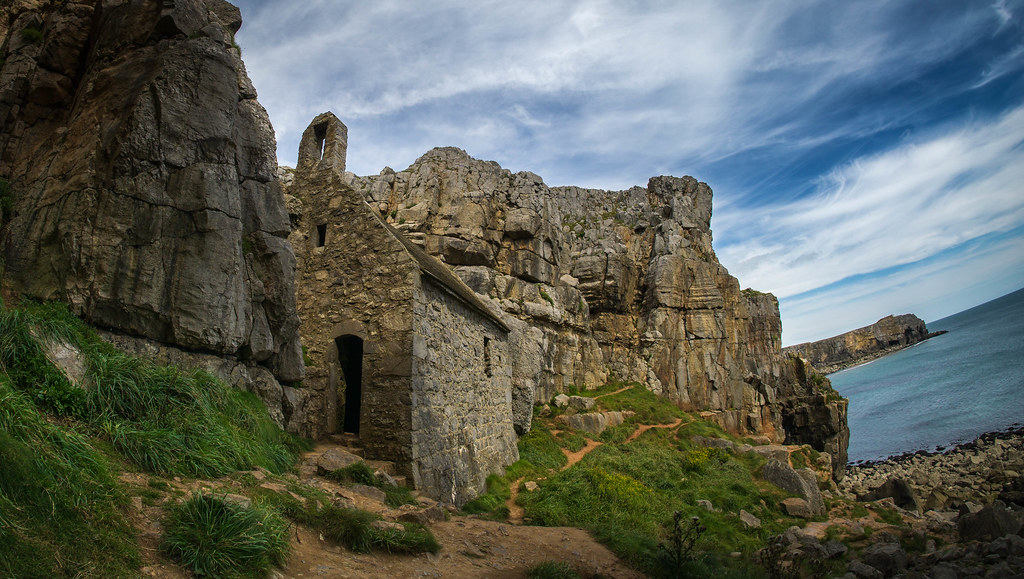
Built into a cliff in south Pembrokeshire is a tiny chapel dedicated to St Govan. Legend has it that, one day, when the saint was pursued by pirates he hid in a crack in the cliff. It closed around him, protecting him from the bloodthirsty pursuers, before opening up into a small room.
St Govan made home in the cliff and warned anyone in the surrounding area when the pirates returned by ringing a bell. The pirates were unhappy with this, however, and stole the bell, but it was returned by angels who encased it in rock to keep it safe.
The ‘bell rock’ is still at St Govan’s chapel, and it is said that any wish made inside the chapel will come true. In Jacklynn’s case, she “didn’t want to leave” the “unreal” location.
Carreg Cennen Castle
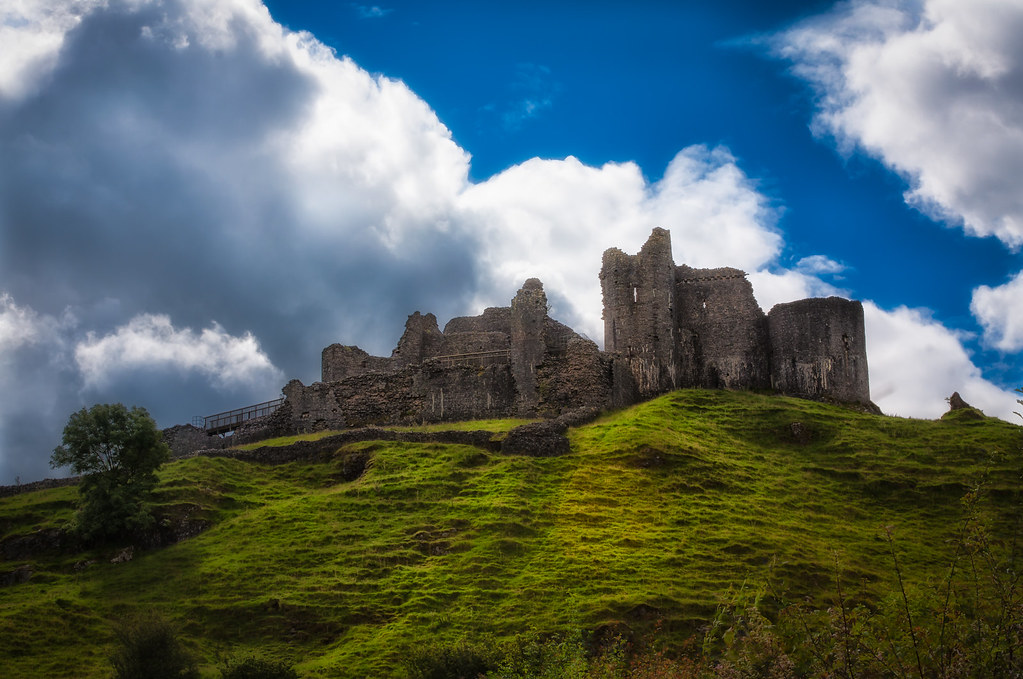
Though historical records place Carreg Cennen as having been built in the 13th century, archeological findings including Roman coins and prehistoric remains hint that the site has been settled much longer.
The remains of the castle on the site today date from 1277 when it was built by John Giffard, a nobleman who participated in campaigns against Llywelyn ap Gruffudd. Though damaged both in Owain Glyndwr’s rebellion and in the War of the Roses, it has been preserved and still stands on the hilltop in Llandeilo.
Jacklynn shared that she “literally stopped on the side of the road whilst approaching because I could not believe my eyes.” Though she found the ruins “a little creepy”, she said it was a worthwhile exploration.
Defynnog Yew
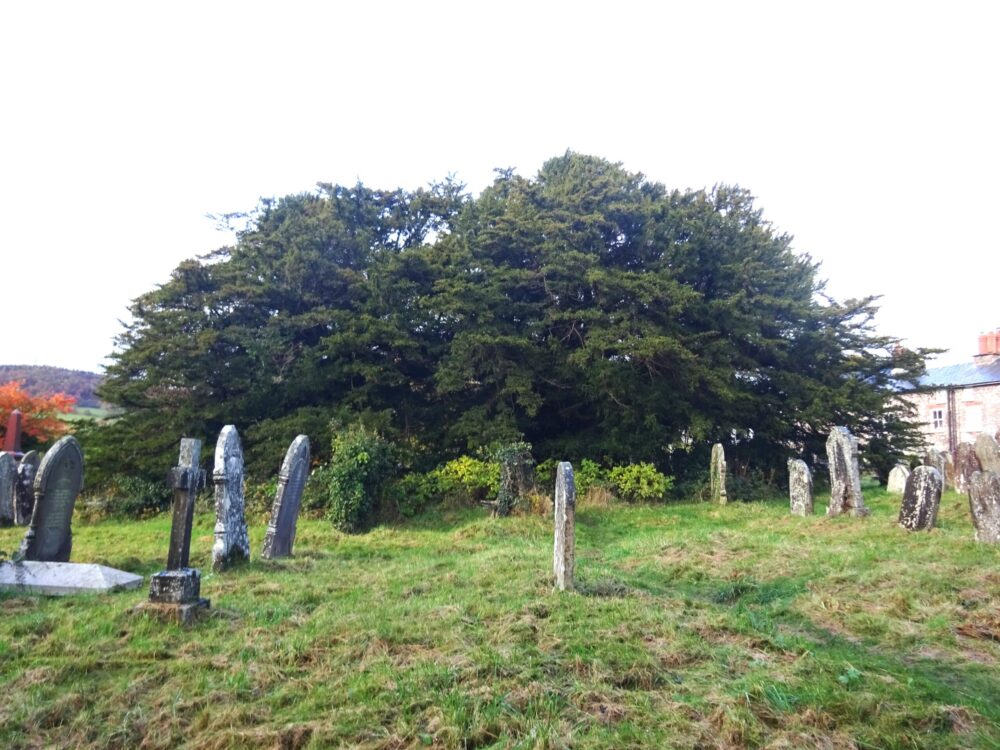
Determined by experts, including botanist David Bellamy, to 5,000 years old, this majestic yew tree sits in the churchyard of St Cynog’s Church in Defynnog. However, questions still remain around its true age with conservative estimates between 1,000 and 3,000 years. Measuring 11m in circumference and part of a genetically identical pair in the graveyard, the yew is believed to have been planted to signify a burial site. It predates the church which itself has Latin and Ogham inscriptions.
As one of the United Kingdom’s oldest trees, it attracts a number of visitors interested in natural history. In Jacklynn’s experience, she said she “honestly felt magical standing there.”
Lamphey Bishop’s Palace
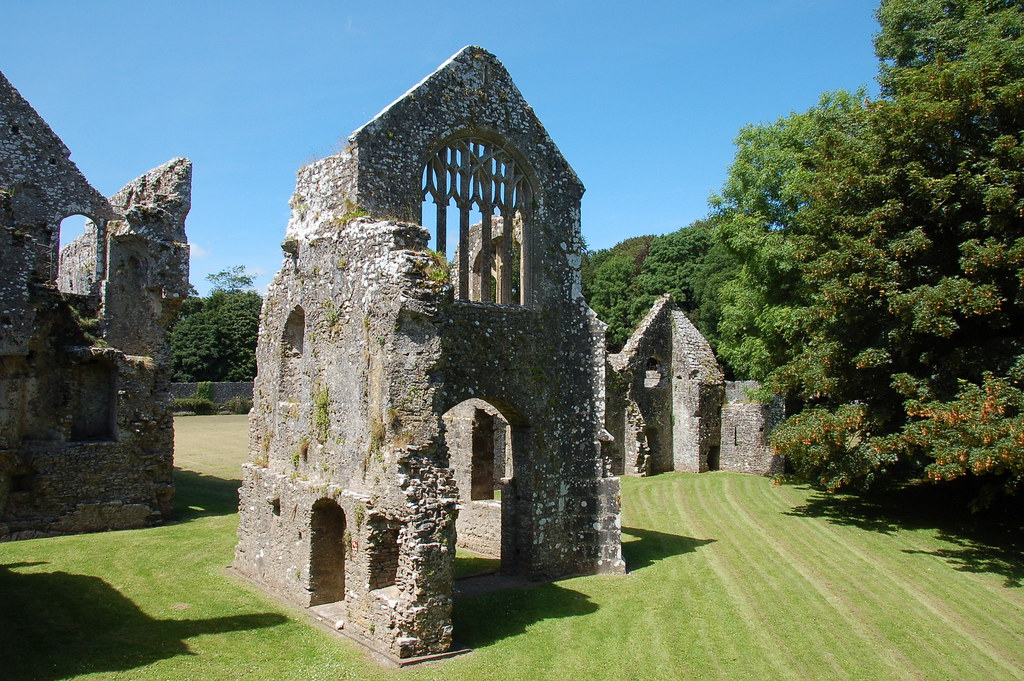
The ruins of Lamphey Bishop’s Palace once provided a retreat for the medieval bishops of St Davids, who travelled to the site to relax away from the challenges of church and state.
According to Cadw, unlike St David who led an austere lifestyle, “the medieval prelates would have led the privileged lives of country gentlemen, enjoying the luxuries of private accommodation, a grand great hall, first-floor chamber, fishponds, fruit orchards, vegetable gardens” and 58 hectares of peaceful grounds.
For Jacklynn, who had the ruins to herself to explore, they made for “some of the most beautiful” ruins she has come across during her travels.
Kidwelly Castle
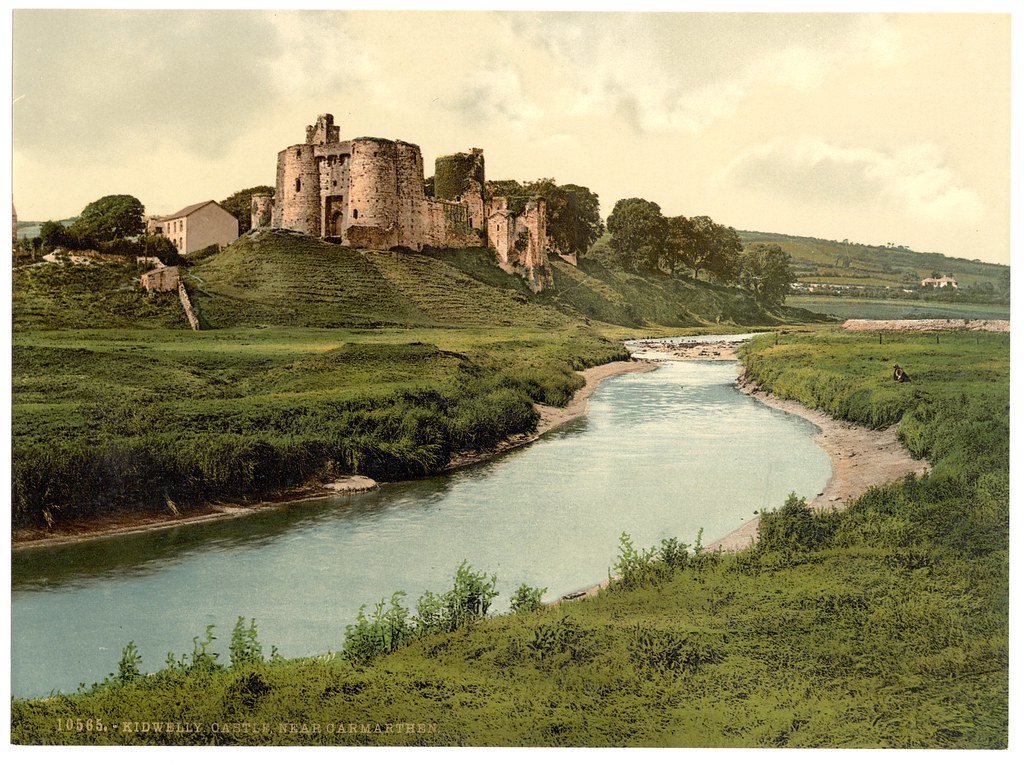
Finally, another Norman site, Kidwelly Castle was built alongside the town and entrusted to the Lord of Kidwelly, Roger, bishop of Salisbury.
Though built to defend against Welsh forces, it was captured several times and held for four decades by Lord Rhys in the mid-12th century. Llywelyn the Great also captured and raised the castle in 1231, while Owain Glyndwr made an unsuccessful attempt to besiege it in 1403.
The constant back and forth between the Welsh and the Normans turned the castle into a defensive stronghold, and is part of the reason it still stands today. In much more recent history, it was used as a filming location for Monty Python and the Holy Grail.
Jacklynn notes that the castle has “so many nooks and crannies to explore”, and suggests visitors learn the tale of “epic warrior Welsh princess” Gwenllian ferch Gruffudd, who died at a battle at the castle in 1136.
View this post on Instagram
Finishing her tour, Jacklynn wrote a brief apology to Welsh viewers in case she had “butchered” any names, but locals reassured her she did a great job.
“No apology needed…Thank you for visiting and showing love to our mythical ruins,” a commenter wrote, and another added: “You did us proud. Really lush video. Love to see it!”
Natgeohistory also shared some love for the video, writing: “Taking the scenic route through time 👏”
To follow along on Jacklynn’s adventures, follow her Instagram here.
Support our Nation today
For the price of a cup of coffee a month you can help us create an independent, not-for-profit, national news service for the people of Wales, by the people of Wales.
Get more trusted Welsh news
Choose Nation.Cymru as a preferred source in Google News to see more of our journalism.




Very South Walian.
The battle in which Gwenllian was killed did not take place at the castle but a couple of miles to the north-east. Interestingly, many of her descendants still live in the area. I’m one of them!