


Hopes for rare pink daffodil’s return to cultivation as RHS maps spring blooms
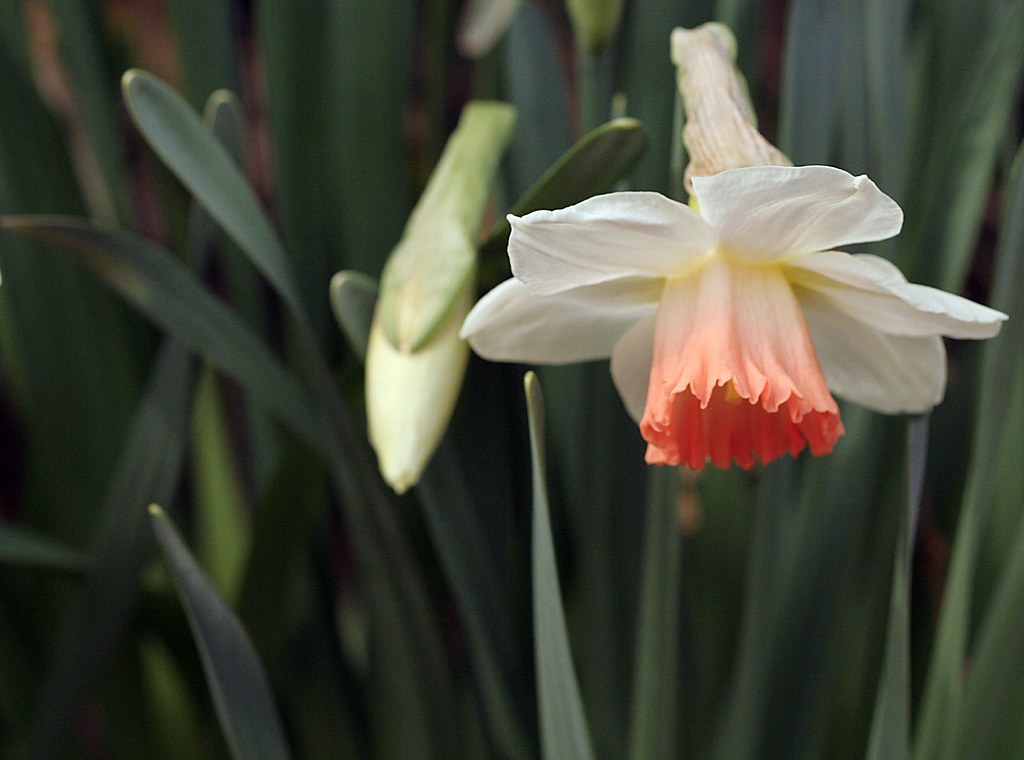
Gardeners could help bring a rare pink daffodil back into cultivation, as part of a project to map the spring blooms across the UK.
The Royal Horticultural Society’s “daffodil diaries” scheme to map daffodils across the UK is back for a second year, after the first year received nearly 3,000 submissions from the Scilly Isles of the Outer Hebrides.
Mapping of flowers reported in gardens and local green spaces last year revealed that 60% were trumpet daffodils, and 56% were all-yellow varieties, with the all-yellow trumpet making up more than two-fifths (42%) of those recorded.
A fifth of flowers reported were cup-shaped and 16% were doubles. Just 6% of daffodils were reported to contain pink, 1% green and 0.4% red.
Gardeners were also encouraged to report potential sightings of three rare daffodil varieties last year: the pink-trumpeted daffodil called Mrs R O Backhouse, the white double-flowered Mrs William Copeland, and orange and yellow double flower Sussex Bonfire, with more than 1,000 sightings reported.
This year, owners of blooms thought to be one of the rare daffodils will be invited to dig them up after flowering so the RHS can grow them in a trial at the charity’s research facility at Wisley in Surrey, with experts assessing the flowers in spring next year.
A particular focus will be on potential R O Backhouse daffodils, a bloom with a solid coral pink trumpet and ivory flowers which is thought to have been bred by leading female hybridist Sara Backhouse and named by her husband after her death in 1921.
If any of the daffodils are Mrs R O Backhouse, they can, with the owner’s permission, be donated to plant breeder Scamps Daffodils, which is working with the Backhouse Rossie Estate – home to the national collection of Backhouse daffodils – to bring the flower back into widespread cultivation.
RHS chief horticulturist Guy Barter said: “With 30,000 daffodil varieties thought to be available in the UK, telling one from another requires an experienced eye, but this diversity is fundamental to their potential benefit for people and planet and why it’s so important we celebrate and preserve them.
“Rare daffodils were spotted across the country and raising them in one location next year will enable us to confirm some of them as the rare varieties we have been searching for and, potentially, find others thought to be in decline.”
RHS principal plant scientist Dr Kalman Konyves said: “Our daffodil diaries mapping project has revealed the daffodil to be a truly national flower, being grown in all four corners of the country.
“Yellow daffodils are far and away the most popular, not unsurprising, for their welcome burst of colour.
“But it is interesting to note that the more adaptable pinks have proven less popular than we might have assumed and green and red varieties negligible, highlighting the importance in maintaining cultivated diversity in gardens.”
Last year’s results showed daffodils in bloom across spring with peak flowering in March, while the distinctive, miniature tete-a-tete variety flowered solely in February and March.
Over time, the RHS said it would be able to look at the data from daffodil diaries to identify any changes in peak flowering, and the effects of geography and evolving fashions.
Dr Konyves added: “It will be fascinating to see how this year’s weather conditions impact on flowering, indeed current mild conditions seem to be encouraging earlier flowering and, over the long term, how the daffodil is weathering the influence of climate change.”
Support our Nation today
For the price of a cup of coffee a month you can help us create an independent, not-for-profit, national news service for the people of Wales, by the people of Wales.


