


Hospices warn of ‘broken’ funding model and concerns over service cuts and closures
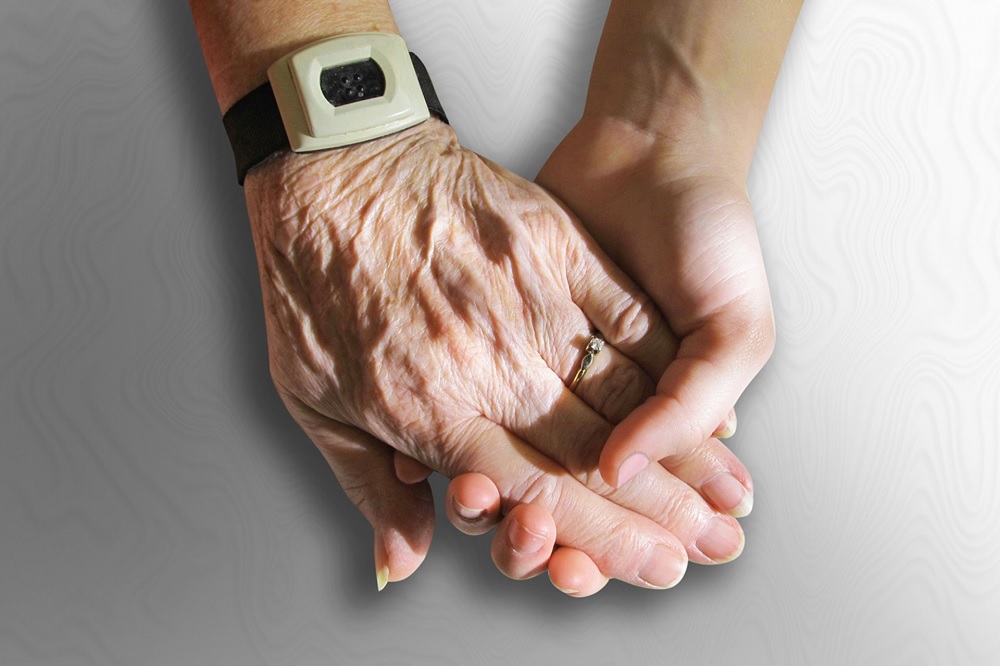
Adult hospices across Wales have issued a warning that end-of-life care services are at risk of being scaled back or even shut down unless the Welsh Government urgently reforms the funding model for palliative care.
New figures released by Hospice UK show Welsh hospices face unprecedented financial pressure, with rising costs, workforce shortages and increasing demand jeopardising thousands of patients’ final months of care.
Hospices support around 20,000 adults and children every year across Wales. They provide inpatient beds, symptom management, hospice-at-home care and support for families coping with terminal illness.
But a survey of the country’s 14 voluntary hospices paints a bleak picture:
30% are already reducing beds or cutting services
Over 70% with inpatient units expect at least one bed to close — temporarily or permanently
Three-quarters fear they will be forced to withdraw support normally provided to hospitals and care homes
Shalom House Hospice in Pembrokeshire closed in 2025, and St David’s Hospice in Holyhead temporarily shut its four-bed inpatient unit due to escalating costs.
Funding model
Unlike statutory NHS services, adult hospices rely heavily on community fundraising. On average, 70% of their running costs, around £30m a year, come from charitable donations.
The remaining 30% is made up from government and health board contributions.
Hospice charities say this model is no longer sustainable in the face of inflation, recruitment challenges and rising clinical demand.
Although Welsh Government provided a £3m emergency uplift in 2025/26 and promised a long-term national commissioning framework, sector leaders say further support must arrive quickly.
Hospice UK warns that without immediate intervention, more services could disappear over the next two years — leaving people without specialist care in their final months.
‘Tipping point’
Matthew Brindley, Policy and Advocacy Manager for Wales at Hospice UK, said the situation had reached a critical tipping point.
“Hospices are a cornerstone of Wales’ health and care system. Without urgent action, we could be looking at reduced capacity, lost specialist staff and fewer families able to access dignified end-of-life care.”
He described the current reliance on fundraising as unsustainable during a cost-of-living crisis, adding that action was needed “today” to prevent further closures.
Statutory funding
Liz Booyse, Chair of Hospices Cymru and CEO of Cardiff-based City Hospice, said hospice care should be recognised as an essential public service.
“Everyone in Wales should have access to the same high-quality, compassionate end of life care,” she said.
“Hospices should have the option of being fully funded and guaranteed within Welsh healthcare provision.”
Booyse said demand for palliative care was expected to rise 25% in the next 25 years, making reform urgent.
Hospitals beds
Marie Curie Cymru warned that inadequate funding for hospices is already pushing more patients into hospitals.
Almost one in five hospital beds in Wales is occupied by someone in their last year of life.
Many would prefer — and be better served — at home or in hospice settings.
Rachel Jones, the charity’s Associate Director, said financially stable hospices were crucial to easing NHS demand.
“Too many people spend their final days isolated, in hospital or in crisis,” she said.
“Placing hospices on a sustainable footing must be a critical part of transforming end-of-life care in Wales.”
Support our Nation today
For the price of a cup of coffee a month you can help us create an independent, not-for-profit, national news service for the people of Wales, by the people of Wales.


