


Household energy debt hits eight-year high before winter
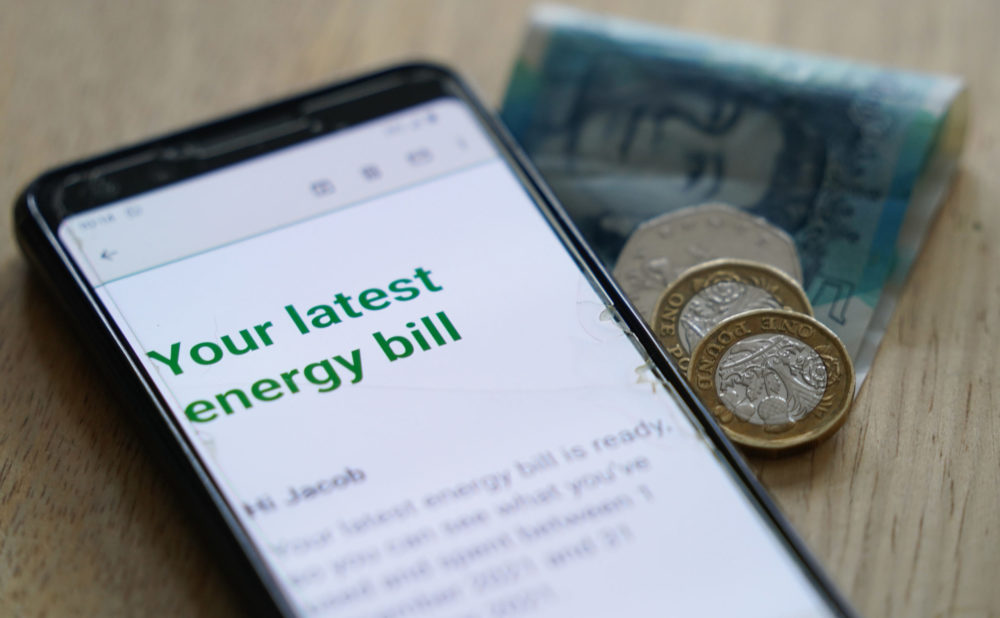
Household energy debt has hit an eight-year high before winter, figures show.
Households are starting the winter owing £780 million to their energy suppliers, the highest debt levels in eight years, a survey for Uswitch found.
Some 3.5 million households owe money to their provider, up 46% from 2.4 million last year, the comparison site said.
The current average household debt figure of £223 is 29% higher than last year’s £173.
Across all households, the average bill payer was £128 in credit last year but this has dropped to £98 this year – falling below £100 for the first time since the energy crisis began.
Fixed amount
Households usually pay a fixed amount each month that tends to exceed their actual summer usage in order to build up credit to cover the more expensive winter months.
However, more than two million low-income households – and 10 million UK homes overall – have no energy credit built up to cope with higher winter bills.
Of the 55% of households who do have a credit balance, this has dropped slightly from last autumn’s average of £222 to the current £214.
Recent figures from regulator Ofgem showed that customers owed energy suppliers more than £4 billion, an increase of more than £750 million on the previous year.
Unpaid bills
Ofgem’s debt figure is the total amount that customers owe their suppliers for unpaid bills, whereas Uswitch is measuring the current balance of a household’s energy account.
One in six homes (16%) with a household income of less than £20,000 a year already owe money to their energy supplier before winter, with indebted homes owing £60 on average.
One in 10 households in debt to their supplier (12%) say they cannot afford to pay it off, double that of last year (6%).
Another 9% plan to move onto a prepayment meter to pay off their debt.
Of those in debt, 34% say their supplier has not contacted them about the amount they owe. However 57% of those who were contacted said they were offered help or advice.
Ofgem’s energy price cap rose by 2% from October 1 for a typical household in England, Scotland and Wales, just as cooler temperatures see many switching on their central heating.
This means that the energy bill for the average household paying by direct debit for gas and electricity increased from the previous £1,720 to £1,755 per year.
‘Drastic measures’
Many households reported planning “drastic” measures to reduce their energy bills, Uswitch said, with 40% saying they will wear extra layers at home so they can keep their heating down and a third saying they will turn the thermostat down.
Ben Gallizzi, energy spokesman at Uswitch, said: “It’s deeply concerning to see that household energy debt has soared to an eight-year high, which suggests that many homes may face a bill shock soon as direct debit levels are updated.
“The cost of living squeeze and the end of many government support schemes means that households are getting less help than they used to, causing many to fall behind.
“Households use more energy over the winter, so for those paying via direct debit it’s ideal to have a cushion of about two months’ worth of energy credit at this point in the year.
“If your energy account is going into debt, or you are behind on your bill payments, speak to your supplier as soon as possible.”
Opinium surveyed 2,000 UK energy bill payers between October 3-8.
Support our Nation today
For the price of a cup of coffee a month you can help us create an independent, not-for-profit, national news service for the people of Wales, by the people of Wales.
Get more trusted Welsh news
Choose Nation.Cymru as a preferred source in Google News to see more of our journalism.



