


How pioneering gene therapy changed the life of the first man in Wales to receive it
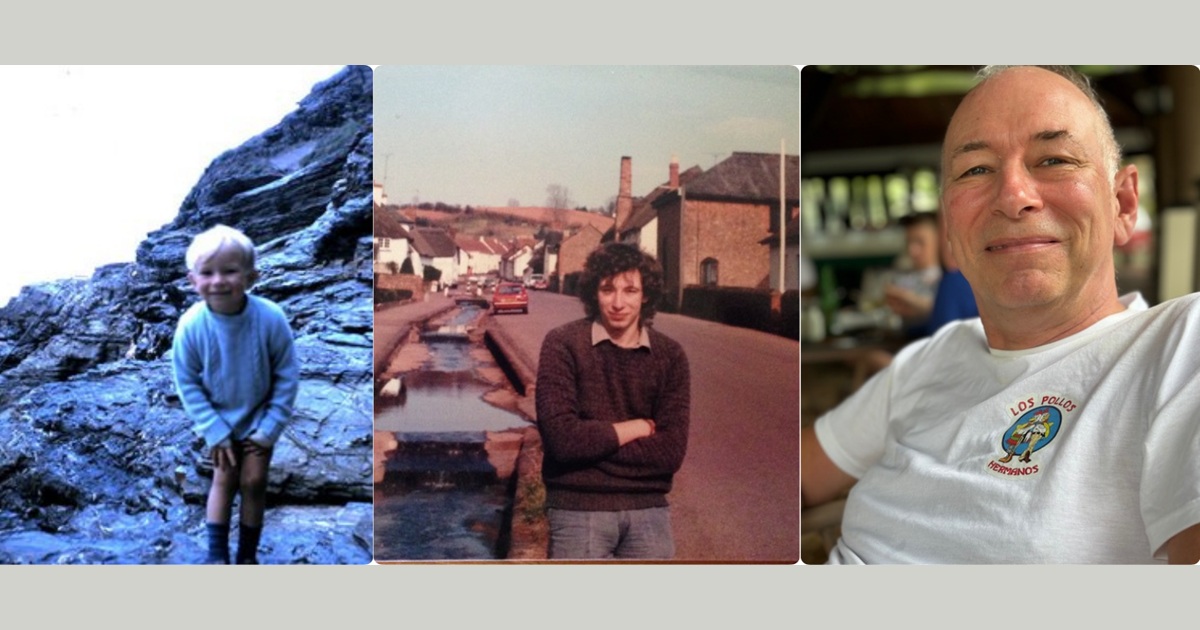
On the week of his 61st birthday, Nigel Miller marked a turning point few people living with haemophilia could once have imagined.
Instead of planning celebrations around medical appointments, he walked into the Cardiff Haemophilia Centre at the University Hospital of Wales to receive a groundbreaking gene therapy that could transform the rest of his life.
For Nigel, who lives in Carmarthenshire, the treatment — Hemgenix — represents the end of decades of weekly injections and a lifetime organised around the constant threat of bleeding. Prescribed for people with haemophilia B, the therapy introduces a functioning copy of the gene responsible for producing clotting factor IX, allowing the body to make it naturally.
“I am hopeful for a life that is not planned around my condition,” he says simply.
Nigel was diagnosed with haemophilia B at just 11 months old. The first warning came when he banged his mouth on the bars of his cot and the bleeding would not stop. His parents took him to hospital, where doctors identified what was then more commonly known as “Christmas Disease”, named after the first patient diagnosed with the condition.
Haemophilia B prevents blood from clotting properly, meaning even minor injuries can lead to serious and lasting damage. For Nigel, that has meant a lifetime of caution.
“A simple knock, a twisted ankle, or sometimes no obvious injury at all can lead to bleeding into my joints or muscles,” he explains.
Repeated bleeding into joints causes progressive damage, wearing away cartilage and bone and limiting movement over time. As a child, Nigel’s treatment involved fresh frozen plasma, administered via a drip for up to eight days at a time, often twice a month. It was exhausting, disruptive and far from precise.
By the age of 12, advances in treatment brought concentrated factor IX injections — a major step forward. From his teenage years, Nigel learned to administer the injections himself at home, treating bleeds as they occurred.
Yet even with modern medicine, haemophilia remained ever-present.
Risk
“It shapes every decision, every plan, and every ordinary day of my life,” he says. “From the outside, it can look normal. On the inside, it is measured in risk, caution, pain, and what others might think of as resilience.”
Hemgenix changes that equation. Rather than repeatedly replacing the missing clotting factor, the gene therapy gives Nigel’s liver the instructions it has lacked since birth.
“This isn’t a cure in the traditional sense,” he says. “But it means I don’t have to inject myself weekly anymore. My body can now produce factor IX itself.”
Despite the physical limits imposed by his condition, Nigel has built a full and accomplished life. He has a wife, two children and a granddaughter, and enjoyed a successful career in the NHS. He was awarded a Fellowship by the Royal College of Speech and Language Therapists and received an MBE in 2019 for services to people with learning disabilities.
Living with haemophilia, he believes, taught him patience and perspective.
“People with haemophilia learn resilience early,” he says. “But there is always a background awareness that the condition never switches off.”
Now, for the first time, that awareness may begin to fade.
Pride
Nigel is the first person in Wales to receive Hemgenix, a fact he approaches with pride and caution in equal measure.
“This is pioneering treatment. It comes with unknowns and long-term questions,” he says. “Being first is an honour, but also a responsibility.”
For him, the significance goes far beyond his own experience.
“This isn’t just a personal milestone,” he says. “It’s a glimpse of a future where inherited conditions like mine no longer define the limits of a life.”
Support our Nation today
For the price of a cup of coffee a month you can help us create an independent, not-for-profit, national news service for the people of Wales, by the people of Wales.


