


Humanists back plan to turn church school into community school
Martin Shipton
Wales Humanists have joined a row over the future of a primary school whose status is in dispute between a county council and the Church in Wales.
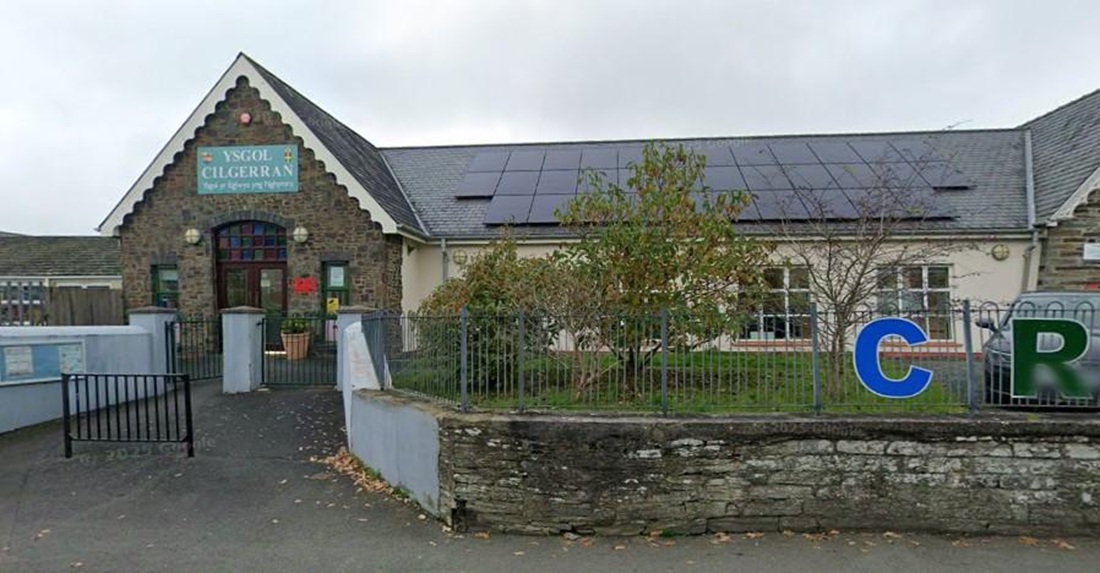
The dispute centres on Ysgol Cilgerran in north Pembrokeshire, where Pembrokeshire County Council has voted to remove the school’s Voluntary Controlled status and establish it as a community school.
The Church in Wales has issued a formal notice warning that it will take legal action if the council proceeds with the changes.
The dispute follows a consultation on the future of the Welsh-medium school which attracted overwhelming opposition. Of the 203 responses received, 197 – around 97% – opposed the proposal, while just three responses supported it.
The consultation was launched after a review of surplus school places in the area against a backdrop of declining pupil numbers.
Lawyers acting for the Diocese of St Davids and the Church in Wales have written to council officers warning that the authority faces legal action if it continues with the process.
The council has now been supported by Wales Humanists, who argue that changing the school into a community school without a religious character would better reflect the beliefs of local families and make sure education is equally inclusive for everyone, regardless of religion or belief.
Wales Humanists said the proposal had led to a threat from the Church in Wales to “not make the school site available for a successor community school”.
Faith schools are often located on church land, but buildings are developed and maintained by local councils using taxpayer funds. The council has said it hopes to resolve the land ownership and occupation rights before any change is implemented. The school is currently 25% under capacity and, say Wales Humanists, its long-term viability needs to be the priority.
The group has written to Pembrokeshire County Council expressing its support for the proposal on behalf of the area’s substantial non-religious community.
According to the 2021 Census, almost half of people in Pembrokeshire identified as having no religion.
Across Wales as a whole, the number of people identifying as having no religion increased dramatically between 2011 and 2021, reflecting a continuing shift in the beliefs of Welsh society.
Religious character
Kathy Riddick, Campaigns and Policy Manager for Wales Humanists, said: “Schools should exist to serve their whole community. Where publicly funded schools no longer reflect the beliefs of the communities they serve, it is entirely appropriate for local authorities to consider whether they should continue to have a religious character.
“The question is whether publicly funded schools should continue to be legally designated as belonging to one particular religion when they serve increasingly diverse communities.
“We believe education should be equally welcoming to every child, regardless of their religion or belief, and call on local authorities across Wales to keep the religious character of maintained schools under review so that school organisation reflects local demographics and the needs of modern communities.’
Consultation
A spokesperson for the Church in Wales responded: “A total of 97% of those who responded to Pembrokeshire County Council’s own consultation on the proposed removal of church status at Cilgerran opposed the change, demonstrating the depth of local support for the school’s distinctive and highly valued educational offer. The overwhelming response reflects the community’s recognition that Church in Wales schools offer a distinctive education in which academic achievement is strengthened by exceptional pastoral care, opportunities for spiritual exploration and questioning, together with a commitment to ensuring every learner can flourish.
“Church in Wales schools deliver high standards of education within nurturing, inclusive communities where every child is known and valued. They teach a balanced, diverse and inclusive Religion, Values and Ethics curriculum, which reflects the Curriculum for Wales and includes Christianity alongside other faiths, Humanism and a range of philosophical and ethical perspectives. In doing so, they encourage learners to think critically, engage respectfully and authentically with beliefs and cultures, and develop the confidence to contribute positively to increasingly diverse communities.
“The Church in Wales is a huge contributor to Welsh life, rooted in every community; with 1,200 places of worship, hundreds of full-time trained clergy and thousands of volunteers providing spiritual and practical support to people of all backgrounds, of all faiths and none, in Welsh and English, in every part of Wales, in every circumstance, every day.
“It hardly needs stating that the living Christian tradition has shaped Welsh society and its values from its earliest times and has made, and continues to make, an incalculable contribution in innumerable ways. Our schools are an integral part of that culture and society.”
Currently there are 143 primary and secondary schools operated by the Church in Wales across Wales, serving approximately 27,000 children and young people.
In addition there are 82 Catholic schools in Wales with around 28,000 pupils.
Support our Nation today
For the price of a cup of coffee a month you can help us create an independent, not-for-profit, national news service for the people of Wales, by the people of Wales.
Get more trusted Welsh news
Choose Nation.Cymru as a preferred source in Google News to see more of our journalism.



Of course they would