

‘I don’t like being that bloke’: English radio presenter believes he’s been ‘gaslit’ over Welsh independence
Nation Cymru staff
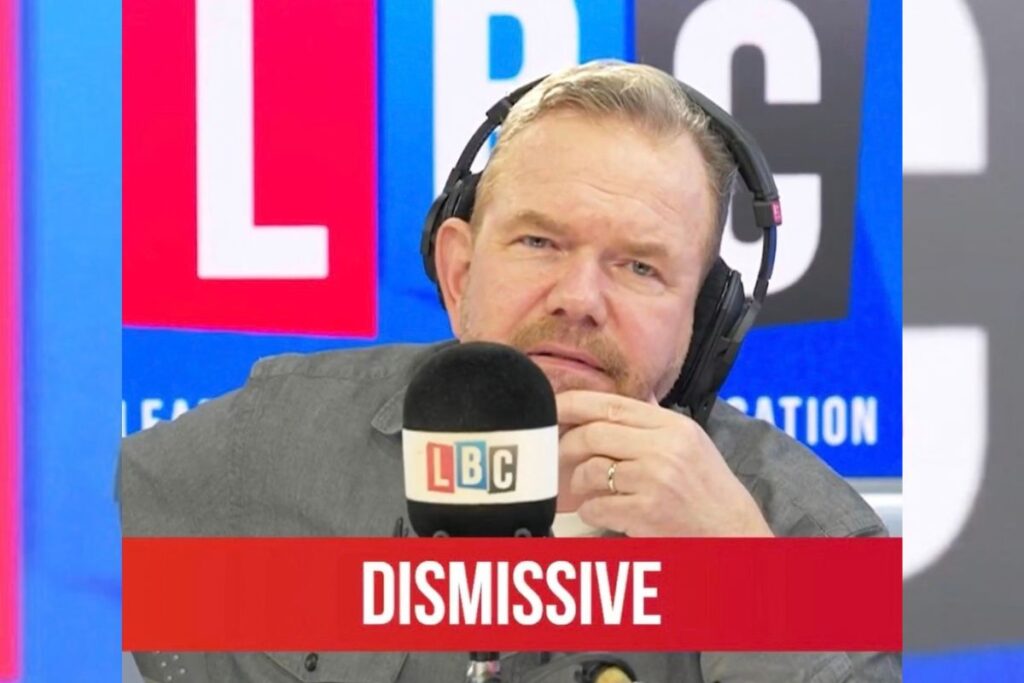
An English radio presenter has shared how he has felt ‘gaslit’ over Scottish, Welsh and Northern Irish independence movements, after learning the history of England’s colonisation and minority language eradication.
James O’Brien is an English journalist, writer, and presenter on radio and television. Since 2004, he has hosted a weekday morning phone-in discussion for talk station LBC.
He has also presented podcasts, been an occasional presenter for BBC’s Newsnight, and published several non-fiction books, including the bestselling How They Broke Britain in 2023.
The presenter discussed the historic meeting of the leaders of Plaid Cymru, the SNP and Sinn Féin in which they signed a new agreement pledging to work together on independence and called on the UK Government to prepare for constitutional change, before explaining how he came to view the movements differently after looking deeper into the history of England’s centuries of colonisation which has been largely kept out of school books.
He shared: “I think I’ve always been a little bit dismissive of independence movements and now the reason for that, the reason perhaps for my position is ignorance.
“I had no idea about the effort put in by English governments to eradicating the Welsh language from the land of Wales.
“I didn’t know about the Highland Clearances until they popped up in a historical fiction book I was reading and I thought I need to know a little bit more about this and if I’d known about that my feelings would be different.
“When people talked about Welsh nationalism or Welsh separatism or Welsh independence my entire box of Lego bricks would have been differently constituted so when I started building my opinion I would have been building it with different bricks. But I didn’t know about that and I don’t like being that bloke.”
‘I hate being that bloke.’
James O’Brien believes he’s been ‘gaslit’ over Scottish, Welsh and Irish independence… pic.twitter.com/2JBtulAUvq
— LBC (@LBC) September 15, 2026
Commenters were quick to applaud O’Brien’s admission, with one writing: “Scotland/Wales are clearly population minorities within the UK state, but everything we see, hear, discuss is from London prism.
“We are not in that prism, we see things very differently, from historical, cultural and political ways.
“Let’s be good neighbours, we don’t want masters.”
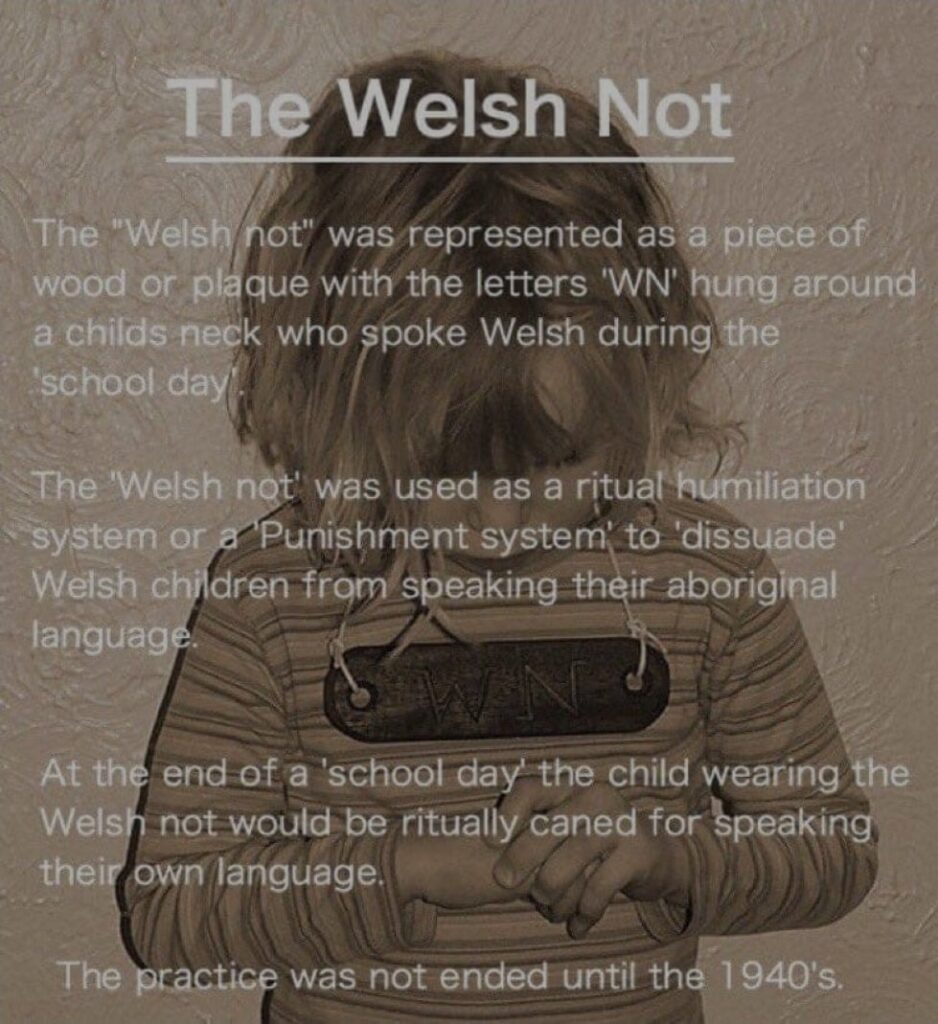
One follower shared an image of the Welsh Not, while another added: “English ignorance about Scotland, Wales and Ireland stems from the English education system that focuses entirely on England.
“This is not the case elsewhere in the UK. It is ignorance. And indifference. And arrogance.”
‘Turning point’
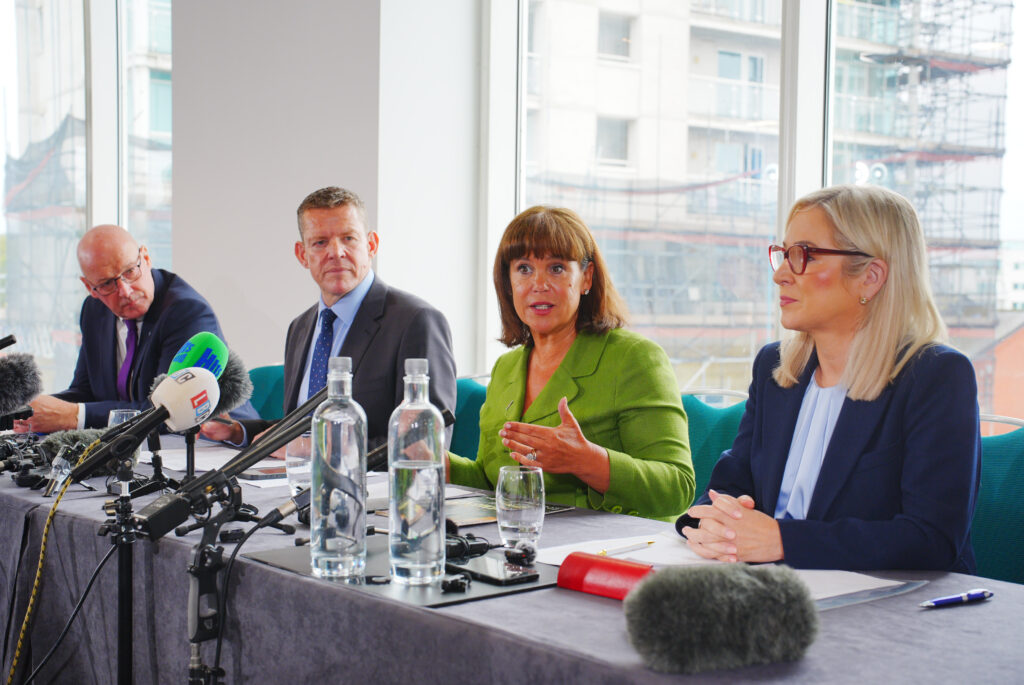
Plaid Cymru, the SNP and Sinn Féin’s memorandum of understanding was unveiled as the parties’ leaders met in Cardiff on Monday, with cooperation promised on areas including renewable energy, the economy and relations with Europe.
The agreement says Wales, Scotland and Ireland each have the right to determine their own future through democratic means and argues that the political landscape across the UK and Ireland is changing.
It states: “Momentum is behind our movements; we believe that constitutional change is coming.”
The parties have committed to sharing ideas on building what they describe as stronger and fairer economies, expanding renewable energy and rebuilding relationships with Europe.
They also state that they believe the future of their nations lies in the European Union and insist that Westminster should not be able to block votes on their constitutional futures.
The agreement acknowledges that the three parties have different constitutional positions and that each nation would determine its future “in its own way and in its own time”.
It calls on the UK Government to “prepare for, plan and facilitate constitutional change in each jurisdiction”.
Mr ap Iorwerth was joined in Cardiff by Scottish First Minister and SNP leader John Swinney, Northern Ireland First Minister and Sinn Féin vice-president Michelle O’Neill and Sinn Féin president Mary Lou McDonald.
They were meeting in their capacities as party leaders rather than representatives of their respective governments.
Mr ap Iorwerth said May’s Senedd election had been a “turning point for Wales”.
He said: “Across these islands, we are seeing a new political landscape emerge, with a growing recognition that the Westminster model is no longer working.
“Our parties have much to gain from working together, as partners and as equals, where we share common interests and where co-operation can improve the lives of the people we represent.”
The Cardiff talks come amid renewed debate over independence referendums after Prime Minister Andy Burnham suggested another Scottish vote could take place if there was a “clear consensus” for one.
However, a subsequent letter to Mr Swinney said a referendum remained “off limits”.
Support our Nation today
For the price of a cup of coffee a month you can help us create an independent, not-for-profit, national news service for the people of Wales, by the people of Wales.
Get more trusted Welsh news
Choose Nation.Cymru as a preferred source in Google News to see more of our journalism.



Unlike O’Brien, I didn’t go to a posh private school, but I can’t remember a time when I didn’t know about the subjugation of Cymru or the highland clearances. Maybe he should ask for a refund on the payments for such a poor education.
Don’t be silly now. Here in Wales History was taught from a Brit centric angle until fairly recently. I left school in 1967 and most of what I knew about our real history was obtained outside of that school.
I didn’t know about it going to a school in Wales, if it wasn’t for family telling me about the not I would not know at school age. It wasn’t on the curriculum.
He was absolutely taught it, he just didn’t recognize it for what it was. We don’t make the connection. Wales has it’s own history of oppression and subjugation internally, it’s just how humans work.
The whole point of the private system as set up by Henry all those years ago was to produce agents of empire, to gaslight the colonies or gaslight the domestic population that exploiting the world is a just and righteous undertaking. It’s never been about a good education. That’s why we should be concerned that 75% of senior mandarins in the Treasury are privately educated and effectively running the show.
I knew next to nothing about the History of Cymru when I left school in 1980, I did have the basic history of British History back then of course from an English Perspective.
All I have learnt about the History of Cymru came much latter on by doing my own reading on the subject.
It isn’t strictly like they’ve left it out of the history books, it’s the framing and as we all know the victors write the history. People don’t make the connection even though the lessons are taught. A good example of this is the history of the Tudor family. No one quite grasps that it is Welsh, not English. We were actually taught about England conquering Wales including why, but no one quite makes the connection that this was a bad thing or what the consequences to were. So rather than blaming the history books, it’s effectively our own biases shaping… Read more »
A lot of people who live in or were born in Wales don’t know about the centuries of suppression of the Welsh language either.
Never mind the extraction of natural resources, the underfunding of our public services etc.
If Wales was independent around the turn of the 20th century it surely would have been one of the richest countries in the world off the back of coal exports. What riches do we have to show for that now?
We were also the 2nd largest exporter of copper and Welsh steel was exported across the world. The original lines of the Siberian and the Canadian Pacific were down to our steel as just a couple of examples.
James O’Brien: “I had no idea about the effort put in by English governments to eradicate the Welsh language from the land of Wales.” End quote. I thought James O’Brien was well informed? Obviously, I was mistaken. Apparently, he was unaware of the Laws in Wales Acts of 1535 and 1542—legislation that made it lawful to suppress a language, culture and history practised on this island for thousands of years. Westminster, under Henry VIII, passed laws that dissolved the legal tradition of Hywel Dda, codified in the tenth century, 950 to be exact. The Acts extended English law to Wales,… Read more »
It’s unbelievable that laws were made to allow one man to rule another or one country to rule another. All men and women are equal and it should be unlawful to do otherwise. Cymru is owed a great deal from our oppressors. Time to pay back for the theft . . . theft that they also legalised for their own ends!!! Theft from shops or anywhere is seriously frowned upon these days but they did it quite blatantly and not only from Cymru! They did it worldwide but their history is written in a way to make them look like… Read more »
Nowadays, it’s the ‘Reform Not’.
Makes a change for O’Brien to be gaslit, it’s usually him doing the gaslighting, just another typical ignorant BritNat