


Intensive dairy farm transformed into nature-friendly holding by new tenant

Amelia Jones
A London-born farmer has transformed a former council-owned intensive dairy farm into one shaped by nature.
Lucy Eyre, who trained in veterinary studies at the University of Liverpool, took on the 1250-acre council farm near Welshpool in mid Wales in 2020.
The farm, previously run as an intensive dairy unit, was far from Eyre’s vision of a farming system that worked with the land.
In an interview with Nature Friendly Farming Network, she said: “The fields were regularly sprayed and fertilised, the hedges had all been flailed to within an inch of their lives and there were basically no fences.
“Nevertheless, I felt I could really improve it and nurture its natural capital.”
Raised in Holmfirth in the Pennines, Eyre did not initially see farming as a viable career. But after qualifying as a vet, she began working on a pasture-fed dairy farm in Dundee, Scotland.
Her work there inspired her to take on a few lambs of her own. She kept the lambs in a polytunnel in her back garden, her flock quickly grew into a mixed livestock enterprise run across short-term tenancies.
When her main rental agreement was unexpectedly withdrawn in 2020, Eyre began searching nationally for a new base, eventually securing the Powys council tenancy.
Eyre dismantled the farm’s former system. Chemical inputs were halted and the land divided into grazing blocks to allow pastures time to recover.
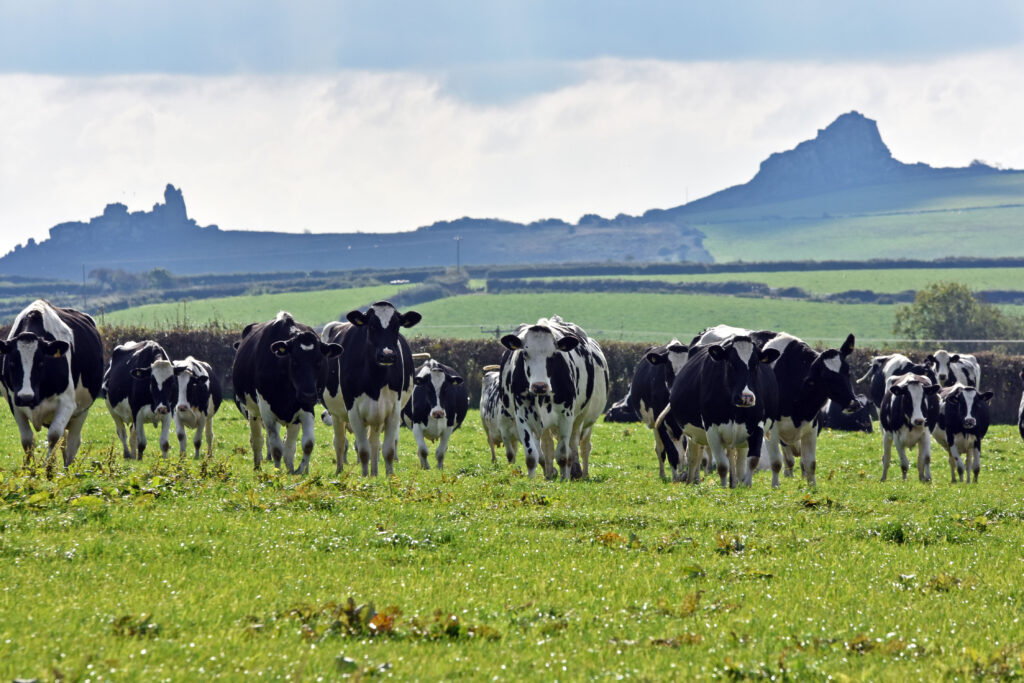
Old maps were used to restore lost hedgerows, gradually rebuilding habitat and shelter across the farm.
Talking about this decision, she said: “I wanted the scope not to put too much pressure on the land and give it a chance to recover from the more intensive farming of the past.”
Today, the farm runs a low-input, mixed livestock system using native breeds, with cattle playing an increasingly central role.
Stocking decisions have been guided by the land’s limits rather than production targets, an approach that has taken on greater significance following recent extreme weather.
She said that this method was particularly valuable over the dry, hot summer of 2025: “You can’t just rest on your laurels and expect the grass to keep growing.
“Letting the grass grow longer paid off by keeping moisture in the soil and providing shade, but at times it still looked like the animals were eating standing hay.”
Eyre believes council-owned farmland could play a greater role in supporting nature-friendly systems and new entrants.
While progress requires patience, she argues that lower-input farming can ease pressure on both loans and farmer, offering a more sustainable future for Welsh agriculture.
Support our Nation today
For the price of a cup of coffee a month you can help us create an independent, not-for-profit, national news service for the people of Wales, by the people of Wales.


