


Iolo Williams celebrates wildlife that’s back from the brink in new S4C series
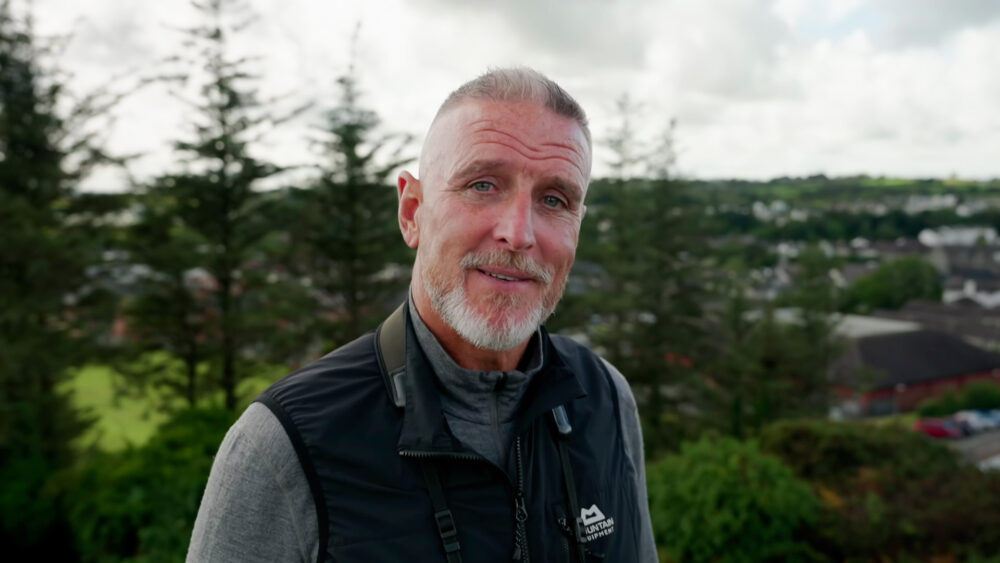
As spring makes an appearance, Iolo Williams is taking viewers along with him to explore Europe’s natural beauty and wildlife in a new S4C series.
Nôl o’r Dibyn (Back from the Brink) will follow the naturalist and broadcaster on a hopeful journey throughout Wales and Europe, sharing stories about protecting, restoring and making room for wildlife to flourish in our towns and cities.
“Over the next twenty-five years it is crucial that every country in Europe does their best to protect the habitats we have left,” explains Iolo Williams, originally from Llanddwyn in the Efyrnwy Valley.
“Urban projects can also play a big part in this by creating nature reserves on our streets and in our communities. The good news is that simple changes can have huge results.”
The first episode will follow the story of the recovery of otters in south and west Wales.
“Over the years the number of otters in Wales have dropped significantly,” explains Iolo, who’s been passionate about nature from a young age. “They were at their peak in the 1950s, but after chemicals and agricultural pollutants were introduced, the numbers went down very quickly.”
Since then, several projects and plans have been put in place to restore the otter’s habitat. Iolo takes us down to Afon y Llan to learn more about one such project run by the West Wales Riverts Trust.
Andrew Thomas, who works for the Trust explained why culverts are problematic for otters: “There’s concrete underfoot, and the water funnels in, and there’s a lot of pressure. There isn’t enough space for the river to flow out, and the water is very fast so the otters can’t come up.”
To tackle the problem, the West Wales Rivers Trust in partnership with Swansea Council installed mammal shelves under the bridges, so that otters can get across safely without having to cross the busy road above.
Andrew added: “Since they were installed in February not a single otter has been killed, so it shows that it’s working. And we’re in the middle of Swansea! Who would think that we have otters here? So it’s so important that we look after them.”
Another positive story about brining wildlife back from the brink in the series’ first episode comes from the city of Belfast in the north of Ireland.
The starling used to roost under the city’s Albert Bridge, but following recent developments along the banks of the river Lagan, and newly installed bright lights, their numbers dropped significantly.
Similar themes are explored elsewhere in the programme, including the lives of starlings in Wales at Aberystwyth Pier.
“We create a portfolio of evidence that we could give to them to say this is an issue and this corresponds to these developments,” says local ecologist, Conor Mckinney. “Can you help us fix it? And thankfully to be fair, they were brilliant. They really came through.”
Changes were implemented to make the area darker at night, and therefore more attractive to starlings. One side of the streetlamps were covered in black, and the bright white lights were changed to softer orange ones.
“This could have been a tragic case study, but thankfully we can use it as a positive one. And send out a message that, actually, development doesn’t need to be at the expense of the biodiversity within the area; simple solutions can be found to preserve it.”
Nôl o’r Dibyn starts on S4C at 8.25 on 1 April ac will be available on S4C Clic and BBC iPlayer with English and Welsh subtitles.
Support our Nation today
For the price of a cup of coffee a month you can help us create an independent, not-for-profit, national news service for the people of Wales, by the people of Wales.


