

Iranian strikes on energy sites ‘serious escalation’ of conflict, says Healey
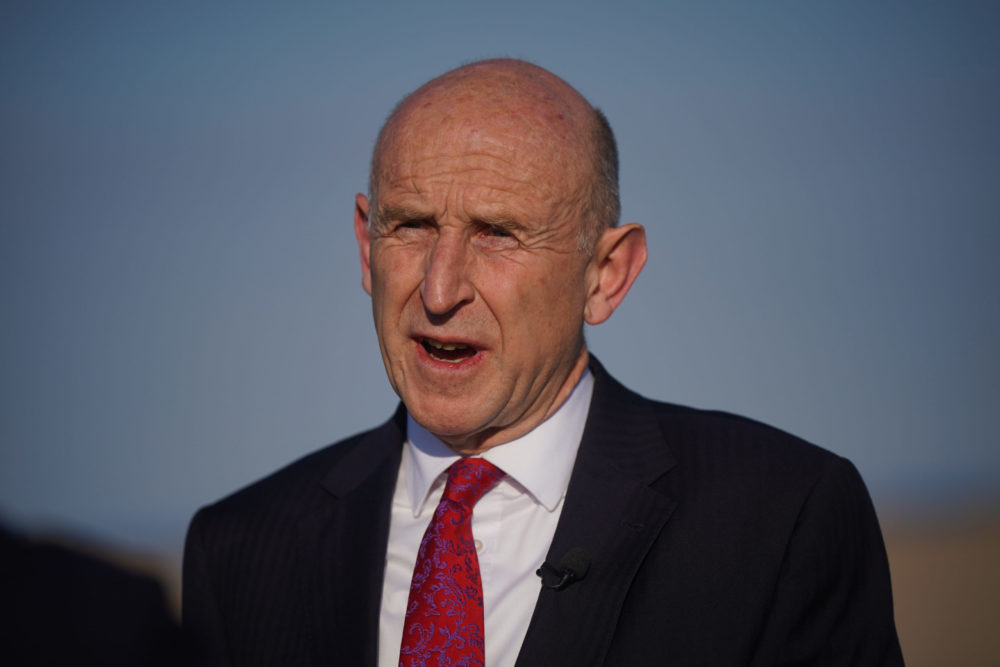
Britain will “step up” defensive support for Gulf states after Iran attacked energy sites across the region in a “serious escalation” of the war, the Defence Secretary has said.
John Healey told the Press Association that Tehran’s attacks overnight threatened to further destabilise the region as he reiterated the Government’s call for de-escalation.
Following an Israeli strike on its main natural gas field, Iran hit multiple energy sites across the Gulf last night, including a Saudi oil refinery, Qatari gas facilities and two more oil refineries in Kuwait.
Oil prices jumped to 119 dollars per barrel on Thursday morning in the wake of the attack, before falling back slightly to 113 dollars, threatening higher global inflation amid concern about the security of the supply of fossil fuels.
Speaking to PA on a visit to Dreghorn Barracks in Edinburgh, Mr Healey said the UK shared concerns about Iranian attacks.
He said: “They’re a serious escalation. They further destabilise the region and we will step up the defensive support that we can offer to those Gulf states.”
British forces are already deployed to the Middle East, with RAF jets flying defensive sorties against Iranian drones across the Gulf and British air defence systems protecting critical infrastructure in Saudi Arabia.
UK military planners have also joined the US Central Command to help formulate proposals for opening the Strait of Hormuz, a critical trade route for the world’s oil and gas.
Mr Healey told PA: “We can see the impact here on the cost of living, the price of fuel, so it’s important that we do everything we can with a lot of other countries that need to be involved in trying to reopen those straits.”
He added that the best way of taking the pressure off world oil prices was “to see a de-escalation and an end to the conflict”.
Meanwhile, Sir Keir Starmer chaired a meeting of the Government’s emergency Cobra committee on Thursday morning in response to the attacks overnight.
The Prime Minister also spoke to French President Emmanuel Macron and the Nato secretary-general, Mark Rutte, to discuss what he called the “egregious Iranian strikes” as well as the formulation of a “viable plan” to reopen the Strait of Hormuz.
Following the conversation, Sir Keir and the leaders of five other nations issued a joint statement condemning “in the strongest terms” Iranian attacks on shipping and oil and gas facilities, as well as the “de facto closure” of the strait.
The Prime Minister and the leaders of France, Germany, Italy, the Netherlands and Japan said: “We express our deep concern about the escalating conflict.
“We call on Iran to cease immediately its threats, laying of mines, drone and missile attacks and other attempts to block the strait to commercial shipping, and to comply with UN Security Council Resolution 2817.”
Resolution 2817, approved on March 11, condemned Iran’s attacks on its neighbours and called on Tehran to cease hostilities.
The leaders also expressed their “readiness to contribute to appropriate efforts” to reopen the strait and take “other steps to stabilise energy markets”.
Support our Nation today
For the price of a cup of coffee a month you can help us create an independent, not-for-profit, national news service for the people of Wales, by the people of Wales.


