

Is Wales forgetting its ‘pale, male and stale’ master painters?
Stephen Price
One of the most extraordinary things about art is its subjectivity – the limitless contrast in what might move me over what might move someone else.
Throughout my lifetime, my tastes have chopped and changed, grown and developed, and I’ve gained newfound appreciation in the abstract, the overlooked, the less obvious at every twist and turn.
All the while, however, there remains a draw, an unbreakable thread to the masters.
Head to any museum in the world, Cardiff even, and there’s a magnetic pull to Monet’s waterlillies, a piece by Van Gogh, Freud, Klimt and more.
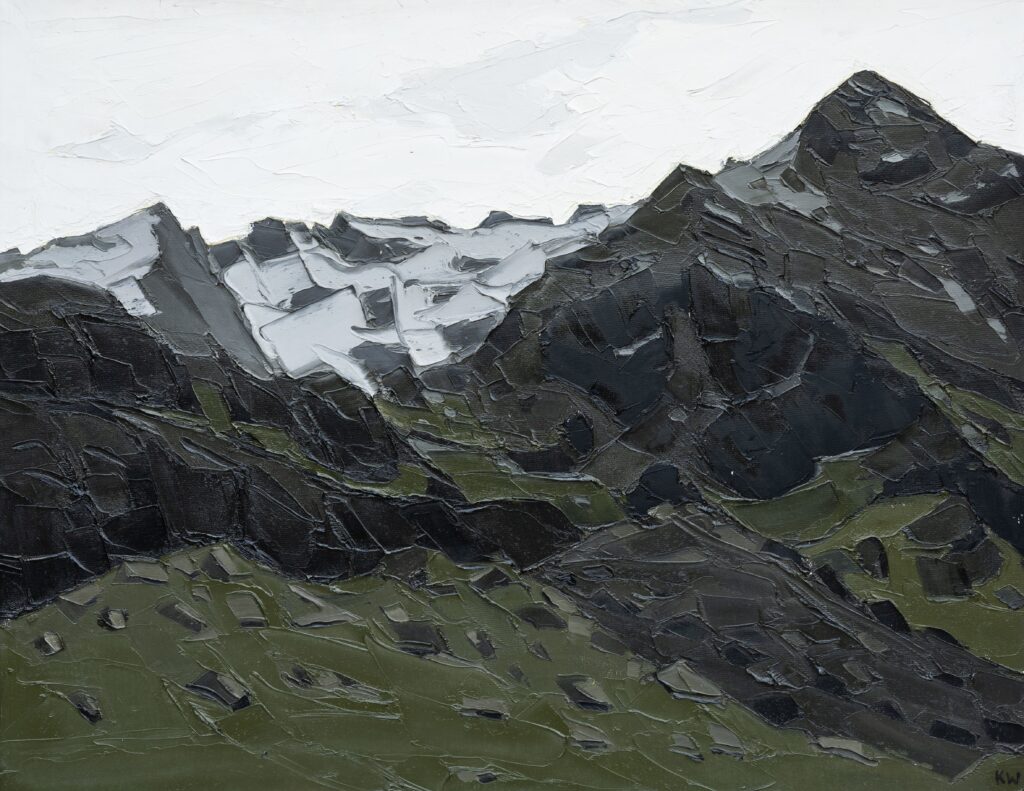
And the same goes for our own masters of today and yesterday – Kyffin, Gwilym Prichard, Mary Lloyd Jones, Shani Rhys James and countless others.
A horrible American phrase made its way across the Atlantic recently – to ‘yuck someone’s yum’ – and as mentioned in previous articles of mine, things move me that don’t move others and vice versa but I’m not usually in the habit of saying that something others like is bad. ‘Different strokes for different folks,’ as Prince said when subtly ‘dissing’ Lady Gaga.
I will, however, at least admit to not feeling drawn to visit the Gwen exhibition, Strange Beauties at Amgueddfa Cymru, Caerdydd which has been pushed rather heavily in comparison to other exhibitions of late.
A recent press release shared: “Following its opening in February, Gwen John: Strange Beauties has drawn critical acclaim and exceeded initial visitor targets, with many ticket buyers being first-time visitors to the Museum.
“The exhibition has helped spark a wider cultural moment around Gwen John in her 150th year, with a BBC Cymru Wales documentary bringing renewed attention to her life and work and two new books published which focus on her work.
“Amgueddfa Cymru has also collaborated with world-renowned fashion designer and Gwen John collector Jonathan Anderson to create a series of cornettes inspired by Gwen’s work which are on display alongside the exhibition at National Museum Cardiff, along with a limited edition poster which is available to buy exclusively from the Museum’s shop.”
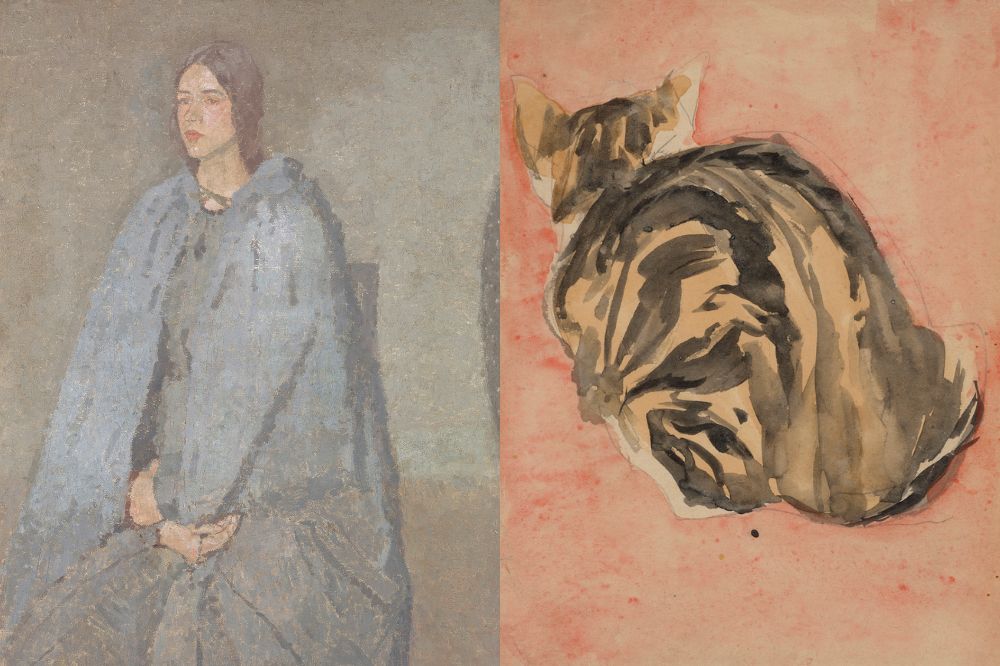
Chief Executive of Amgueddfa Cymru, Jane Richardson said: “Gwen John has always been in the shadow of others, but she’s now firmly in the spotlight, yet doing it with the quiet grace and dignity that characterises her works.
“The response so far to the exhibition has been truly incredible. It’s really resonated with our audiences, and I’m particularly pleased that so many have been first-time visitors.
“It’s such an honour to be able to share our collection with so many people and for our visitors to get to know Gwen for the wonderful artist she is.
“We hope this has ignited a spark for more people to be inspired by Wales’ national collection and look forward to continuing to welcome our visitors both in Cardiff and across our museums in Wales.”
Again, I won’t ‘yuck anyone’s yum’ – and numbers are good apparently – but Gwen’s push from the establishment, however, feels a little orchestrated to me. Interesting context, of course, but beyond that, I question the genuine response to the work vs the intellectual one.
Like point and shoot photography or a simple study, it’s pleasant if a little unexciting.
Also running at the moment is Portrait & Power at the National Library – an exhibition which “focuses on those that have often been left out of history, exploring how identity, the way we look at others, and power all come together in portraiture.
“Using both old and new artworks, the exhibition invites us to rethink traditional roles, challenge how portraits are usually made, and explore how they reflect — or change — the stories we tell about gender, race, class, and belonging.”
Left out of history? Or an attempt to rewrite history with a 2026 lens that is, indeed, about power, and who holds it at our museums today.
Equity or engineering?
Thankfully Wales has moved past ‘For Welsh Art See Kyffin Williams’, and for a while it has done so intelligently, while holding him on high along with others who portray Wales in a way only we can – but things are on the move now.
Agendas have changed.
There’s a reason Kyffin is so beloved inside and outside of Wales – why he’s still collected, forged, drawing crowds and influencing to this day.
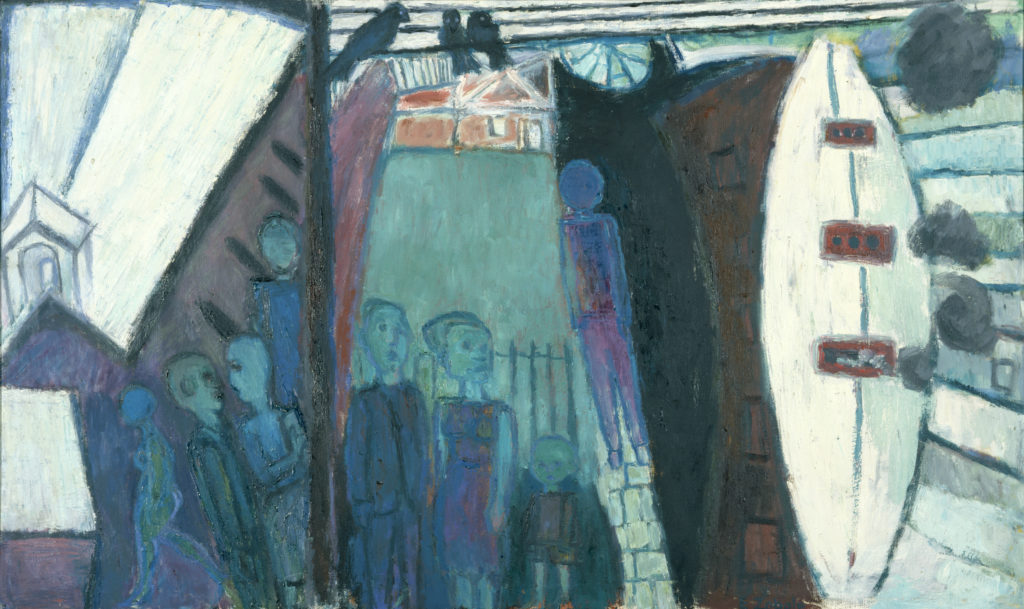
When we talk of the overlooked, there’s no better place to look than the names of other greats of the 20th century – Zobole, Gwilym Prichard, Josef Herman, Peter Prendergast, Evelyn Williams (born in London to Welsh parents) and so many more who earned their stripes, but seem to have been put away now they’re not suiting today’s narrative.
A true test of where the nation’s heart lies can be found at auction – where the aforementioned are still having their day, even if they’re not creating faux buzz in the press. But spoiler alert, people don’t click modern art news items (or animal, environment or history ones, try as I might) en masse. I wonder why…
They do, however, click art news when it resonates – The Valleys Exhibition or a piece on.. sorry to say.. Kyffin Williams and his contemporaries – Wales’ true greats.
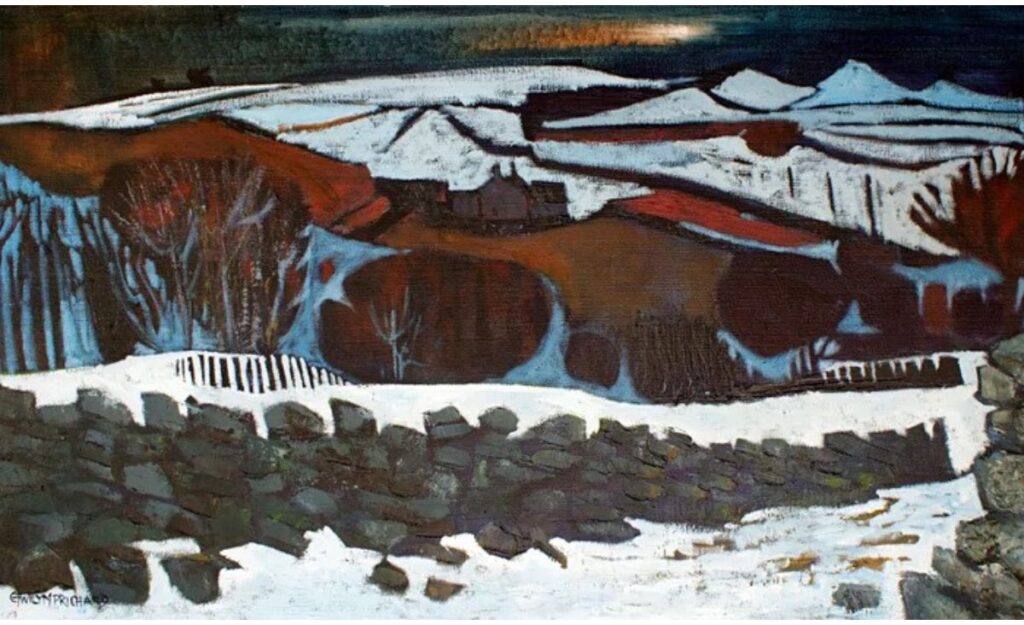
The post-covid landscape of social media in particular has aimed to rewrite art in all its forms, past and present, with a black and white US-led lens, whereby it’s perfectly fine to portray white, older and male – and heterosexual – as negative adjectives.
We, in wales, should never have been shackled by this knee-jerk reaction to poor representation particularly in America and England, especially since we ourselves can too lay claim to being colonised, overlooked, undervalued and underrepresented.
Edgy!
Museums will never be free of agenda or the need to spark conversation, and Gwen has done the job very well. But does the buzz lie in the context rather than the draw of the works themselves?
We all need to see ourselves reflected in museums, in the arts, in literature and more – but let’s not forget that we aren’t America, we aren’t England, and Welsh people too haven’t been represented well across the world, or even at home. We of all people need to reject another borrowed belief in the inherent bad of the ‘pale, male and stale’.
That we do have greats – both modern and especially of the 20th century – is testament to the grit, determination and sheer talent of Wales’ painters who don’t quite fit the mould for what’s ‘in’ in 2026.
When in Amsterdam, I visited the Van Gogh museum, when in Manchester, I visited the Lowry – where are Wales’ takes on those and venues such as the Musée Marmottan Monet?
Their homelands know that there is space for all – newcomer and pioneer alike – and the reverence for and reinterpretation of the figureheads, is as essential as making space for new voices.
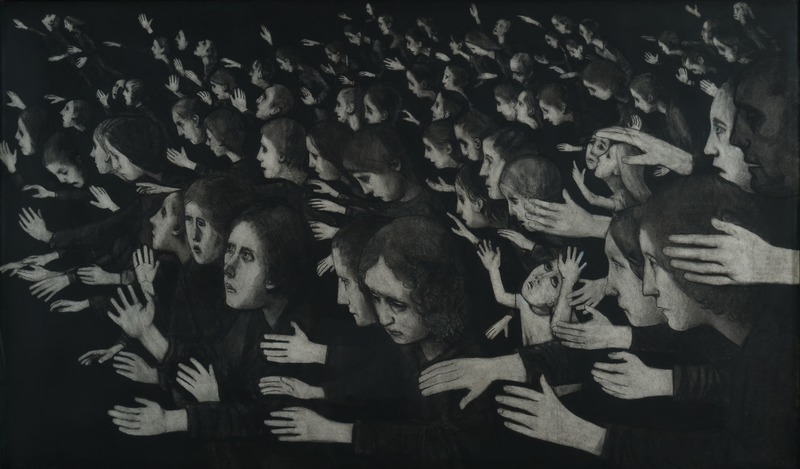
Other countries know what to do with their greats – how to value their greats. Wales’ museums, however, are currently sending a message to the world with much of their approach that we’ve thus far got it terribly wrong, and we’d love you to visit and see some work you will be moved by because it’s very correct and of today.
It’s disingenuous to rewrite the past – the way the past of Wales looked – or indeed the present of Wales looks – and especially the progression of Welsh art from where we were then to where we are today.
The artists that mattered then matter now – more so than ever in fact, and the flag bearers for Wales that have stood the test of time need careful handling, curation and due-prominence in order to keep a level of integrity to Welsh art that can’t be achieved through design or engineering.
‘Subverting’ Welsh cliches and motifs, mining the mabinogi (again) or being ‘edgy’ by making overdone commentary about race and gender got tired a few years back, but endure it we must. Only, is anyone besides those now in positions of power and influence in Wales’ art institutions really buying it?
The message is clear – ‘This is how Welsh art looks, because we said so, not you’.
So in answer to my own title as question – we aren’t forgetting our greats, no, but before long we’ll most certainly be led to.
Support our Nation today
For the price of a cup of coffee a month you can help us create an independent, not-for-profit, national news service for the people of Wales, by the people of Wales.



I enjoyed reading this. I too haven’t made it to the Gwen John yet, despite thinking I ‘ought’ to. My Dad (Peter Prendergast) often spoke of Gwen John being a superior painter to her brother. Equally, we admired the work of Zobole and recognised it was overlooked. We live in hope that fashions change. There are some great Welsh artists at risk of being missed.
My wife and I went to see the Gwen John exhibition yesterday. It was superbly put together and displayed but we left wondering whether she really was the great artist she’s cracked up to be. Are we the only people to feel somewhat underwhelmed?