


‘It will stay with us for years’: Storm Claudia flood damage estimated at £9m
Twm Owen, Local Democracy Reporter
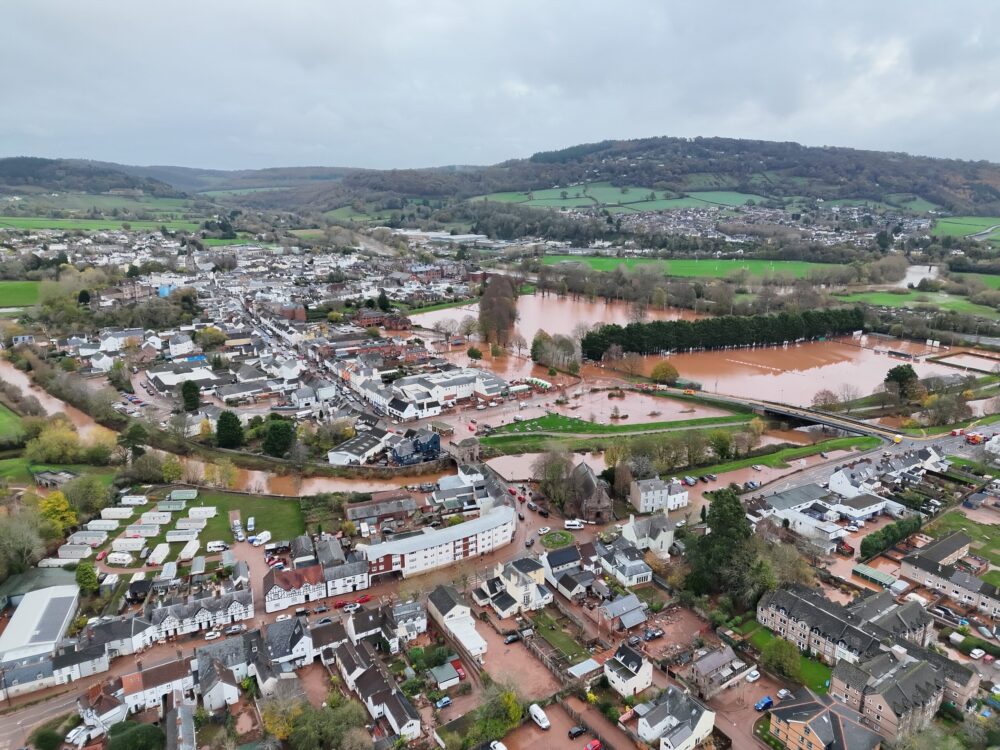
Flooding as a result of Storm Claudia, described as the most severe in a generation, is likely to have caused £9 million damage to county council property alone.
Monmouthshire Council buildings and property damaged by the flooding unleashed by hours of heavy rainfall include the tennis courts and Chippenham Fields in Monmouth as well as Osbaston Church in Wales Primary School and Abergavenny Leisure Centre.
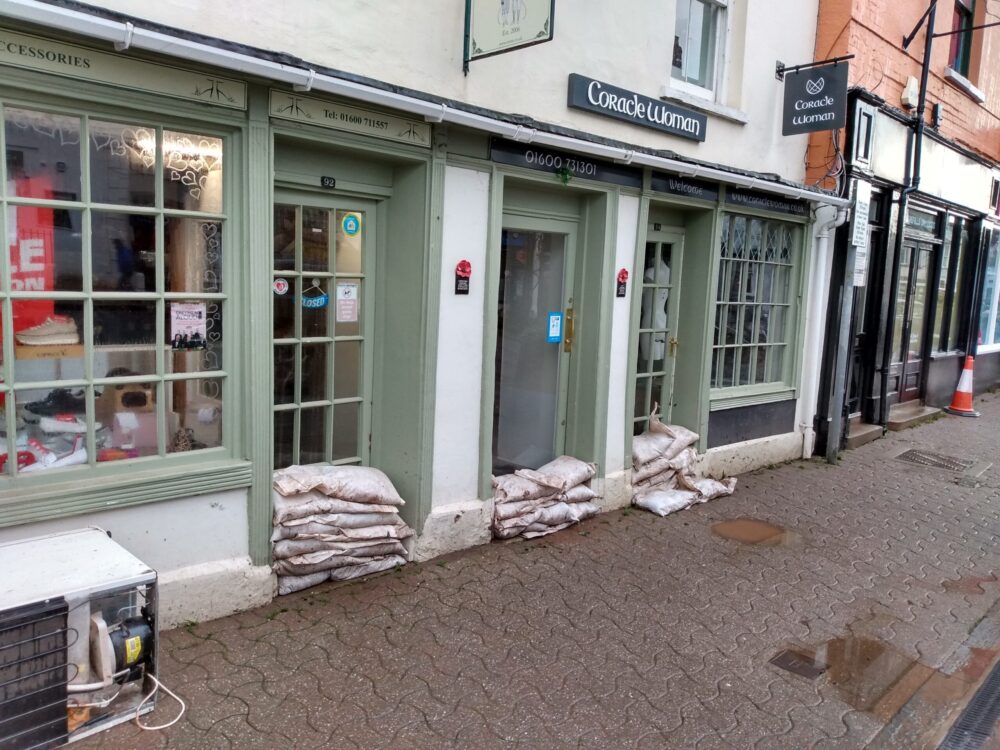
Roads, bridges and footpaths have also been damaged by the flooding that left Monmouth’s Monnow Street underwater and also hit Abergavenny and caused devastation to homes in Skenfrith.
At Monmouthshire County’s full council meeting, on December 4, just shy of three weeks to the day since the storm struck, councillors unanimously backed a motion paying tribute to all who responded to the flooding and welcoming the financial support provided.
It also called for a review to identify lessons that can be learnt and set out a plan to invest in more reslient flood prevention measure, which was agreed though cabinet members said those are already in hand.
Council leader Mary Ann Brocklesby said Storm Claudia had been “one of the most destructive flooding events in north Monmouthshire in recent memory” and said it unloaded five inches of rainfall in five hours: “We know now there was more rainfall in that 12 hour period than in whole of the previous month or any previous November.”
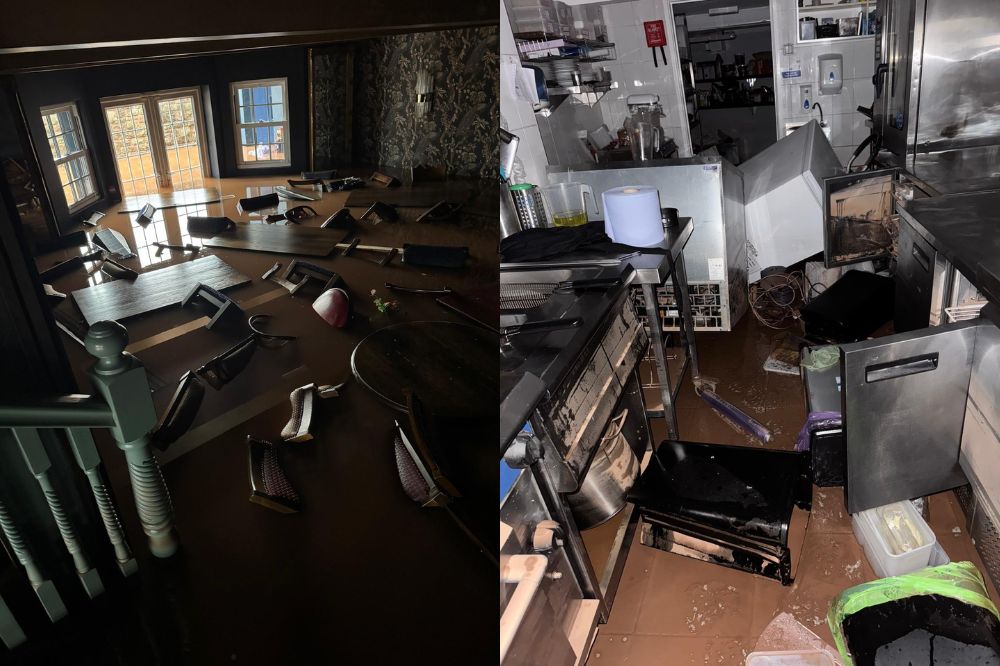
She said around 200 homes and 150 businesses were directly affected and said the council and housing associations have rehoused all those forced from their homes as well as tourism providers and friends and family providing accommodation.
“The emotional and psychological impact will stay with us for years,” said Cllr Brocklesby.
The Labour councillor for Llanelly Hill said council property has also been damaged: “We are assessing the damage to our infrastructure and our current assessment is around £9m of damage including £5m of insured and £3.5m uninsured and we are in discussions with Welsh Government regarding financial support.”
The council has said assets that are uninsured are likely to be footpaths, roads and culverts as well as street furniture, such as benches, which it is either impractical or “prohibitively expensive” to ensure.
It will also work with the Welsh Government and environmental body Natural Resources Wales, which is responsible for major rivers including the Monnow, to review flood protections in addition to its existing legal requirement to produce what is known as a section 19 report whenever flooding impacts more than 20 properties.
“Work on the Section 19 report is already underway and will take several months to complete,” said the leader.
The motion, put forward by Conservative councillor for Monmouth’s Town ward, Martin Newell also called for the council to explain why sandbags weren’t provided to homes and businesses at risk and to confirm if the Wonastow pumping station was “fully operational” and when it was last inspected.
Cabinet member for climate change and environment, Drybridge councillor Catrin Maby, said the council isn’t required to provide sandbags but “did its best” to deliver to those most likely to be affected and confirmed the pumping station had been working but said it was “overwhelmed when flood defences failed”.
It now has one working pump and temporary pumps are available should they be needed.
During the meeting it was also confirmed the council is working on a new resilient rivers project for the Monnow with Natural Resources Wales, the Wye and Usk Foundation and Network Rail.
Several councillors gave examples of how flooding had impacted their communities while Monmouth Overnmonnow member Steve Garratt said how his family home had been flooded.
Cllr Brocklesby paid tribute to council staff who had gone “above and beyond including some who had been affected themselves.”
Green Party member Ian Chandler, whose ward includes Skenfrith where “every home was flooded”, said action was demanded last year and it would need to be “on scale supported by the Welsh and UK governments” and said: “Communities like ours deserve floods to be the exception not the expectation”.
Independent member for Crucorney David Jones said some incidents could have been avoided if repairs had been carried out when flagged up, such as a bridge at Grosmont which will now need a temporary crossing to be put in place.
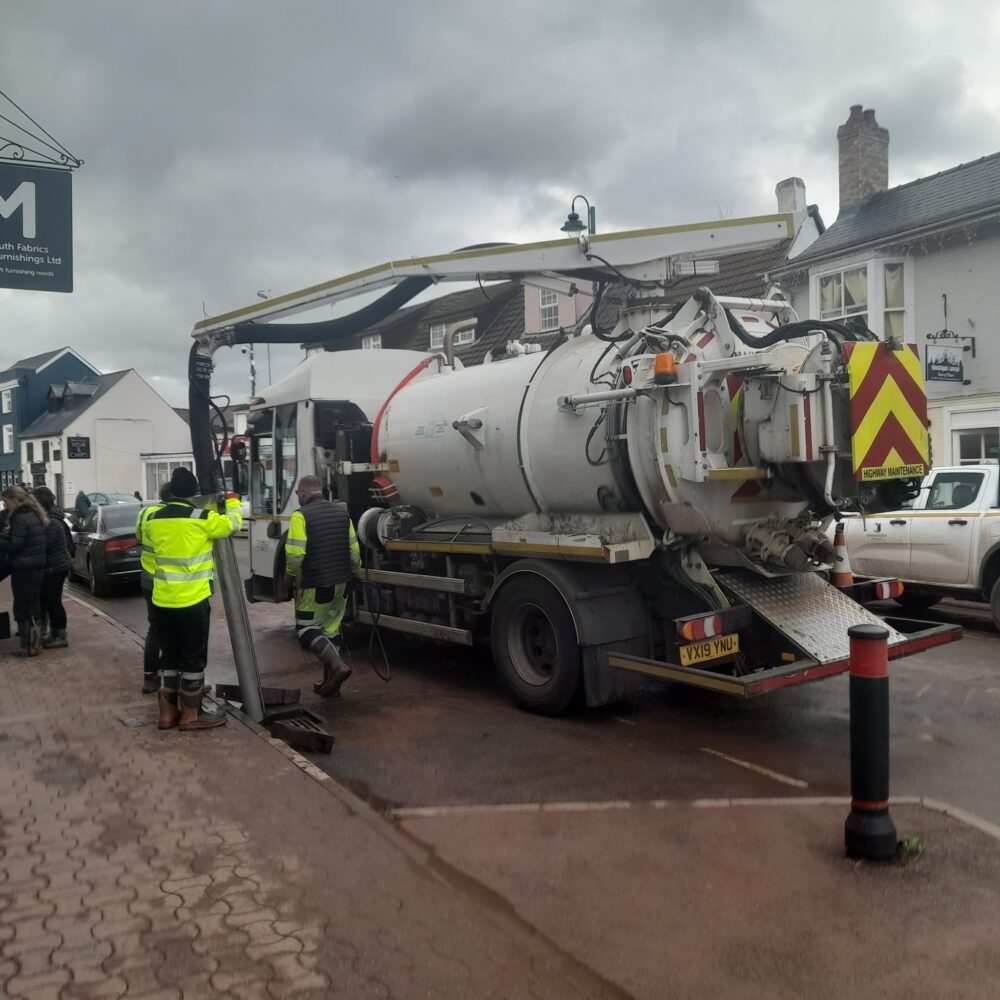
Independent Llanelly Hill councillor Simon Howarth said the council needs to put teams to clear highway drains back together: “They are threadbare. I believe we have one team.”
Cllr Maby had earlier said highway drains are only designed to drain surface water run-off but said they couldn’t cope with the amount of water and run off from surrounding fields, which she said private water course owners are responsible for. It was suggested the council raise awareness of those responsibilities and some councillors highlighted areas where property disputes mean maintenance responsibilities aren’t acknowledged.
The council’s deputy leader Paul Griffiths said businesses rate relief that has been announced by the council isn’t only intended for shops unable to trade but is a “recognition of the disruption” and urged businesses to keep in touch with the council regarding support available to them.
Support our Nation today
For the price of a cup of coffee a month you can help us create an independent, not-for-profit, national news service for the people of Wales, by the people of Wales.



If we keep destroying our natural flood defences in the shape of forests, trees and green spaces, then we all struggle and I think moving forward we need to prepare for more 1 in 1000 year storm events.
The trouble is with your common sense comment, is that not destroying our environment is seen as “woke” by certain factions. It was only 6 years ago that MP David Davies described flood defences as “vanity projects to appease the crusty jugglers”.
It’s not really that we’re destroying natural flood defences, actually tree plantation in the UK is on an upward trend, as are green spaces to a degree. The problem is a woeful lack of under investment by water companies and caving into developers who want to build on cheap flood plains.
Big difference between planting new trees and retaining existing forests and woodlands. The latter are far more effective carbon absorbers and flood defences compared to new plantations.
“Lets build entire cities and villages on flood plains!” ~Monmouthshire’s Councillor’s ancestors…probably.
“Lets continue to develop entire cities on flood plains and not put in proper flood defences!” ~The current crop… probably.
Living and working on flood plains and then crying when it floods… it’s like a monty python sketch.
The problem is that, to effectively plan for flooding, we need to be thinking generations ahead in terms of our defences which would be astronomically expensive. Also, the more people we have, the more places we need, the more concrete we need etc etc. All we can do is mitigate as bets we can.
Why not ensure that there are no empty properties first and then build on brownfield sites secondly. Thirdly, improve transport systems from areas where housing is vacant to where the jobs are. Lastly, if new homes are required on greenfield sites, ensure flood defences are well equipped prior to construction.