


Justice Secretary says there is ‘more to come’ on devolution to Wales
Mark Mansfield
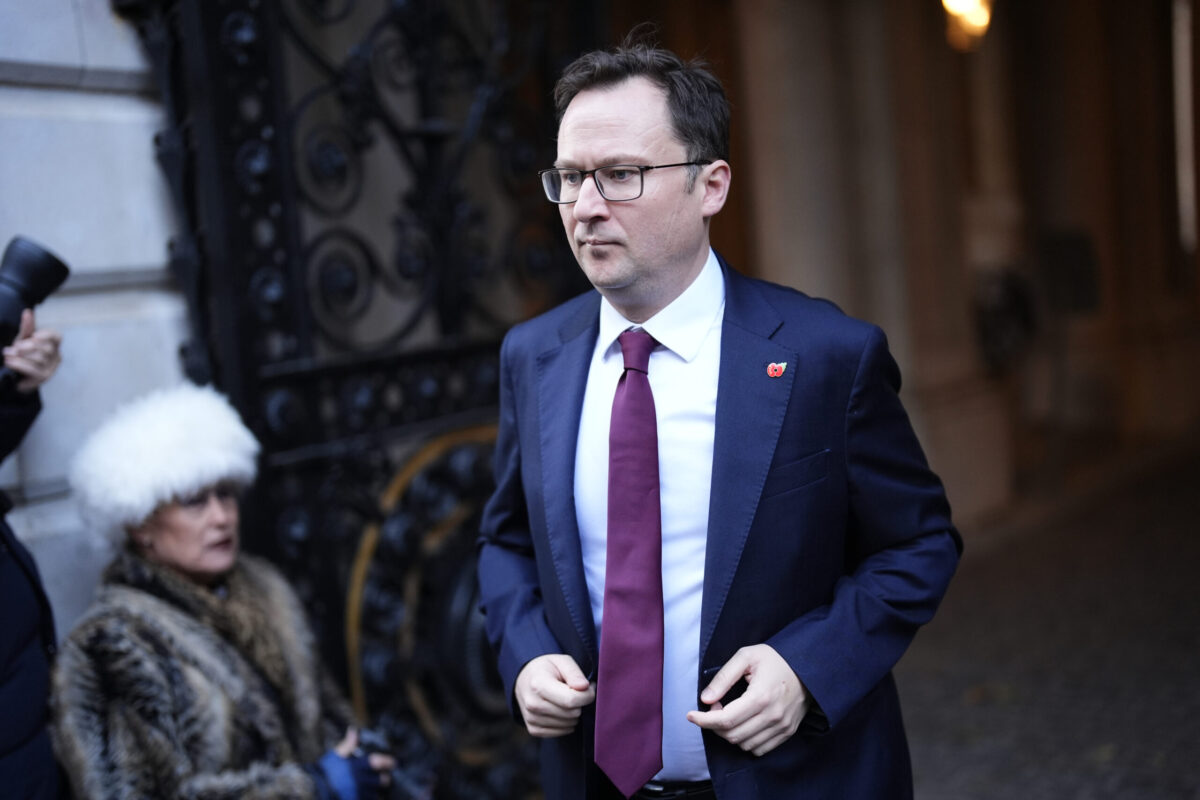
The UK Government’s Justice Secretary Alex Norris has said Wales could gain more powers over its justice system, with talks on youth justice further ahead than those on policing.
Speaking to BBC Wales during a visit to HMP Cardiff on Monday, Mr Norris said there was “more to come” on devolution. He confirmed that the Home Office, the Welsh Government and Downing Street were discussing policing powers, but gave no timetable for a transfer.
Mr Norris stopped short of backing a proposed residential centre for women in Swansea. Wales has no women’s prison, and the centre had been due to open in 2024.
“It’s not a commitment I could make today,” he told BBC Wales.
In July, Deputy First Minister Sioned Williams urged Mr Norris to revisit the decision not to fund the centre. She said fewer women sentenced in Wales should be held in prisons in England, far from their families and support networks.
Policing and prisons are among the powers sought by the Welsh Government. Responsibility for justice in Wales remains with Westminster, while Scotland and Northern Ireland run their own justice systems.
“On the youth justice side, making a change there is transformative for lives and communities and I wouldn’t want that to be underplayed,” Mr Norris told BBC Wales.
“But we know there is a desire to go further.”
The UK Government agreed in March to give the then Labour-led Welsh Government a greater role in youth justice. That followed Home Secretary Shabana Mahmood’s rejection in January of calls to devolve policing. Prime Minister Andy Burnham has since said he is “open” to transferring policing powers.
First Minister Rhun ap Iorwerth pressed the case for further devolution with Mr Burnham at the National Economic Council last month. Mr Norris told BBC Wales that the UK Government intended to respond to the requests “in short order”.
The Welsh Government argues that devolving justice would help it coordinate the system with services it already oversees, including health, housing and education.
Destabilisation
Welsh Secretary Stephen Kinnock has questioned the case for devolving policing. In July, he told LBC there was “a strong case” for keeping the current arrangements and warned that changing them could cause destabilisation.
His father, former Labour leader Lord Kinnock, told Newyddion S4C he remained unconvinced that devolving justice would make communities safer or the system more efficient. Without those assurances, he said, creating a new system would bring “more downsides than upsides”.
Former Lord Chief Justice Lord Thomas of Cwmgiedd told S4C’s Y Byd yn ei Le there were “no arguments of substance” against devolving justice and policing. He said separate justice systems could cooperate on serious crime and argued that transferring powers would make Wales safer.
Lord Thomas chaired the Commission on Justice in Wales, which recommended full devolution of justice and policing in 2019.
Support our Nation today
For the price of a cup of coffee a month you can help us create an independent, not-for-profit, national news service for the people of Wales, by the people of Wales.
Get more trusted Welsh news
Choose Nation.Cymru as a preferred source in Google News to see more of our journalism.


