


Keir Starmer to step up pressure on Russia at G7 with new sanctions
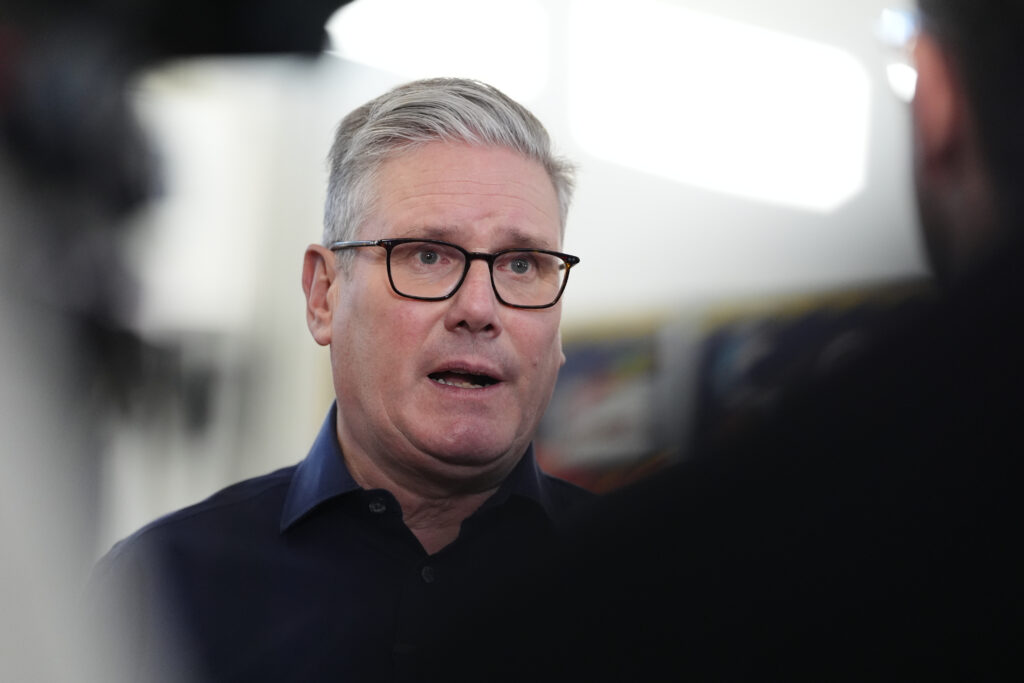
Helen Corbett, Press Association Political Correspondent in Evian-les-Bains
The UK has unveiled new sanctions that aim to ramp up pressure on Russia as Sir Keir Starmer attends the G7 summit in France.
The package of 70 new sanctions target Russia’s shadow fleet, military procurement supply chains and illicit finance networks used to circumvent sanctions.
They target a front company called Neptune, which the UK says is involved in procuring western technology for Russian military intelligence, as well as three companies and 10 officers from Russia’s GRU military intelligence suspected of acquiring the technology.
The sanctions will also sanction several vessels identified as moving banned Russian liquefied natural gas.
It will bring the number of sanctioned shadow fleet and Russian LNG vessels to more than 600.
They are also expected to target a network involved in covertly procuring western technology for Russia’s military, and third-country suppliers helping Moscow move money internationally.
British troops seized a Russian shadow fleet vessel in the Channel for the first time at the weekend.
The captain of the Smyrtos tanker, Ajay Pant, 38, has been charged with contravening sanctions by the Crown Prosecution Service and will appear in court on Tuesday.
Sir Keir said: “These sanctions target the vessels, the money and the actors propping up Russia’s war economy, and in turn, threatening European security.
“Working with our G7 allies, we will continue to increase the pressure on (Russian President Vladimir) Putin and his circle of collaborators until Russia’s war machine is brought to a halt and peace returns to our continent.”
UK-based Urenco will also supply enriched uranium to Ukraine’s nuclear power producer, Energoatom, for two years in a deal agreed last week backed by £210 million of UK export finance.
Sir Keir is facing his counterparts on the international stage to talk about global threats as pressure is piling on him over long-term funding for the military at home.
And there is potential for friction with US President Donald Trump, who was pictured sitting next to Sir Keir at a working leaders’ dinner on the first night of the summit, amid a strained relationship.
Sir Keir has announced a social media ban for under-16s after Mr Trump’s pro-tech US administration warned against such a move.
And recent interventions from US vice president JD Vance and US defence secretary Pete Hegseth linked to the murder of student Henry Nowak prompted No 10 to criticise those seeking to “interfere in our democracy”.
The Prime Minister and his wife Lady Victoria Starmer met German Chancellor Friedrich Merz at the summit on Monday.
Sir Keir updated Mr Merz on his social media ban and they talked about the UK’s ambitions to move closer to the EU, a Downing Street spokeswoman said.
Sir Keir and Lady Victoria also met Canadian Prime Minister Mark Carney for a drink and talked about strengthening Euro-Atlantic security and innovative financing solutions for defence.
Canada is spearheading the Defence, Security and Resilience Bank, which aims to help member countries fund defence projects at low cost.
The G7 summit also comes as Mr Trump has clinched a peace deal with Iran which he says will see oil flow freely again through the Strait of Hormuz, the vital shipping route out of the Persian Gulf.
The US president said the strait would be fully opened on Friday when the deal is signed in Switzerland.
Support our Nation today
For the price of a cup of coffee a month you can help us create an independent, not-for-profit, national news service for the people of Wales, by the people of Wales.
Get more trusted Welsh news
Choose Nation.Cymru as a preferred source in Google News to see more of our journalism.


