


Ketamine will not be reclassified as class A drug despite concerns
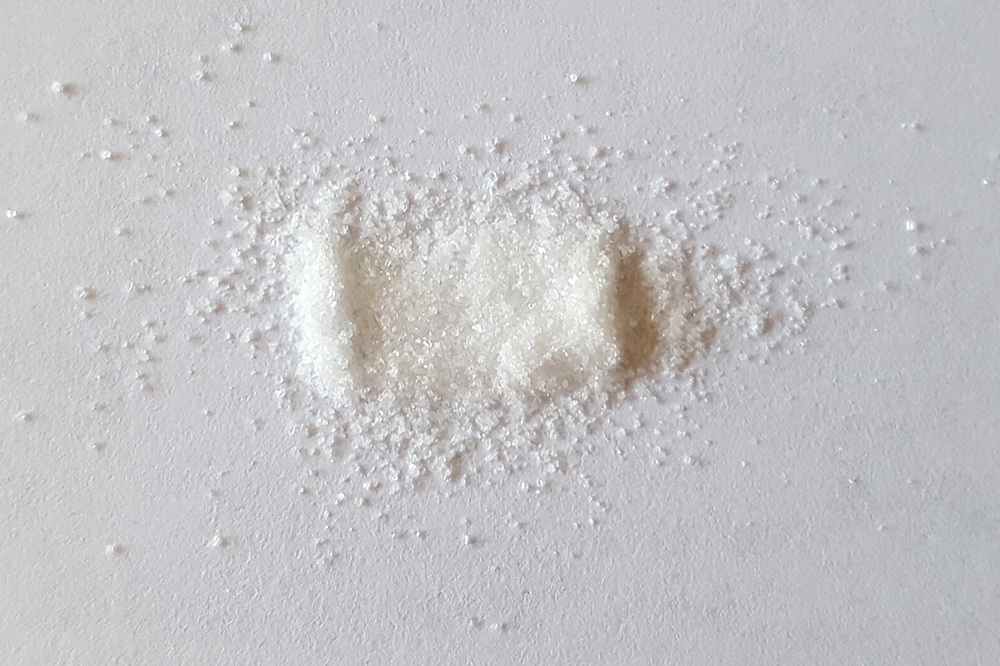
Ketamine will not be reclassified as a class A drug despite being linked to multiple deaths.
The Government asked for expert advice after illegal use surged to record levels, but the Advisory Council on the Misuse of Drugs (ACMD) has said it should remain a class B controlled substance.
Ketamine has been implicated in the deaths of celebrities, including Friends actor Matthew Perry, and RuPaul’s Drag Race UK winner The Vivienne.
While it can be prescribed medically as a sedative and is commonly used on animals, the maximum penalty for producing and supplying it illegally is up to 14 years in prison.
The drug was reclassified from Class C to Class B in 2014.
As well as having potentially fatal consequences, ketamine use can cause long term health problems like bladder damage.
Analysis by King’s College London of coroners’ reports in England, Wales and Northern Ireland between 1999 and 2024 found there were 696 deaths with detections of illicit ketamine between 1999 and 2024.
But researchers said most people who die from ketamine use had been taking other drugs at the same time, meaning single-drug policies like reclassification may not be successful.
Publishing its decision on Wednesday, the ACMD said drug users had told it upgrading ketamine to class A would not reduce its use.
Health and social care professionals also voiced opposition to reclassification, it added.
ACMD chairman Professor David Wood said: “The ACMD report highlights the need for a ‘whole system approach’ through its recommendations to tackle issues related to ketamine use, as no single recommendation is sufficient to do this alone.”
The Home Office asked for a review of the drug’s classification last year after a coroner called for action following a man’s death.
Greater Manchester South senior coroner Alison Mutch found James Boland, 38, from Manchester, died of sepsis caused by a kidney infection that was “a complication of long-term use of ketamine”.
In a prevention of future deaths report, she said keeping ketamine as class B would be “likely to encourage others to start to use it or continue to use it under the false impression it is ‘safer’”.
Responding to the ACMD’s report, a government spokesperson said: “Ketamine is an extremely dangerous substance and the recent rise in its use is deeply concerning.
“We are grateful to the Advisory Council on the Misuse of Drugs for publishing their assessment. We will now consider the report carefully and respond as a matter of priority.”
Drug, alcohol and mental health charity WithYou welcomed the decision not to reclassify ketamine as Class A.
Director of pharmacy Abigail Wilson said: “We think the decision not to reclassify ketamine as Class A is the right one.
“We already know reclassification won’t reduce the growing harms we’re seeing.
“Since the previous reclassification of ketamine from Class C to Class B in 2014, ketamine use has doubled.
“Rather than the threat of punishment which deters people from seeking help, we must prioritise prevention, early intervention, and easy to access support for those experiencing ketamine-related harm.”
Nat Travis from addiction support provider Turning Point said: “We support the ACMD’s recommendation that ketamine remains classified as a Class B substance.
“Increasing criminal penalties for ketamine use risks deterring people from seeking help and may make them more vulnerable to drug-related harm.”
Support our Nation today
For the price of a cup of coffee a month you can help us create an independent, not-for-profit, national news service for the people of Wales, by the people of Wales.


