


Ladybirds being seen in ‘very high numbers’ because of warm weather, expert says
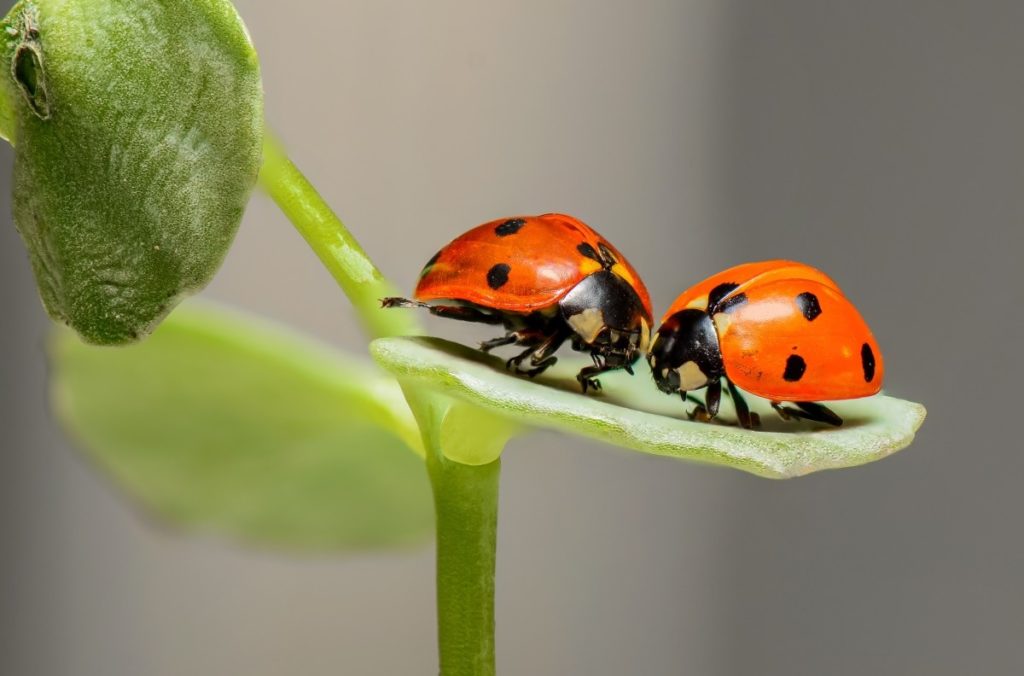
Ladybirds are being seen in “very high numbers” this year because of the warm weather, an expert has said, after a swarm of the insects disrupted play at the cricket.
The influx of the creatures at Lord’s in London on Thursday distracted players and led to a brief pause in England’s contest against India on the first day of the third Rothesay Test.
England’s vice-captain Ollie Pope called it a first in the sport.
“I’ve never seen that, no,” he said after the match. “That’s a first that the crowd have got that today.”
‘Fantastic’
Ecologist and ladybird expert Professor Helen Roy, from the UK Centre for Ecology and Hydrology, said: “Many species of aphid-feeding ladybird such as the seven-spot ladybird are being seen in very high numbers this year.
“This is a consequence of the high aphid numbers and warm weather.
“People are reporting many sightings to the UK Ladybird Survey through iRecord, which is fantastic.
“If people want to help insects and other wildlife in this weather they can leave shallow dishes with a little water for them. Also, we encourage people to leave the aphids in their garden on roses and other plants so there is plenty of food for ladybirds.”
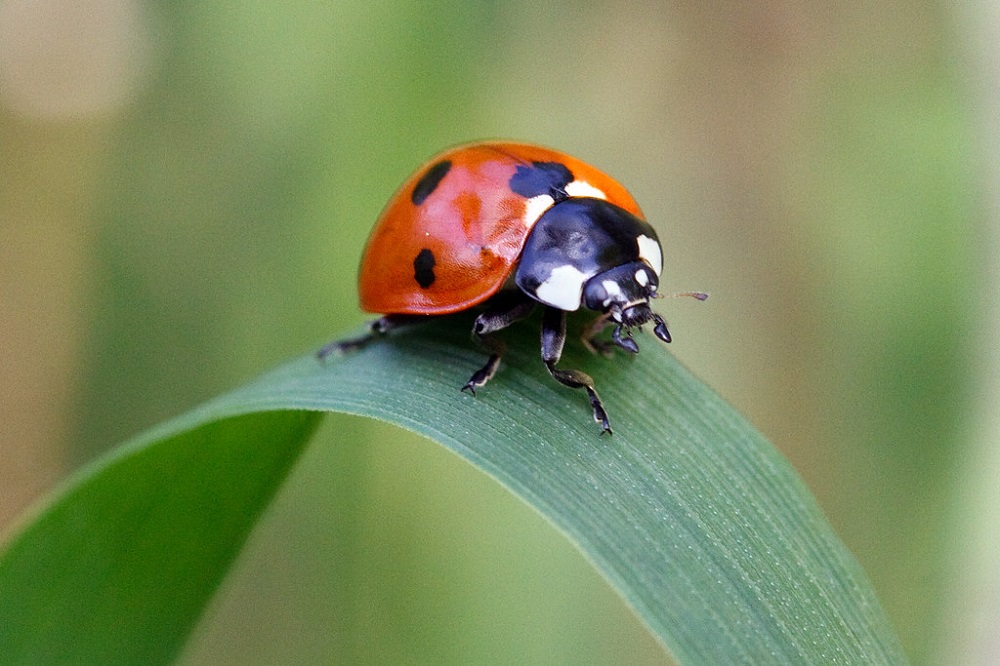
Tim Coulson, professor of zoology and head of biology at the University of Oxford, encouraged people to “learn to love” ladybirds.
“Warm weather means more aphids because they can complete each generation faster – insects, including ladybirds and aphids, tend to speed up their lives in warm weather,” he said.
“Ladybirds eat aphids, and an abundance of aphids mean ladybirds have a lot to eat.
“People should learn to love the ladybirds. They are effective predators of aphids, which can be a major pest of many plant species.
“Much in the way that wolves keep deer numbers in check in some parts of the world, ladybirds keep aphid numbers down.
“A swarm of ladybirds in a cricket game, even against India, should remind people of the role that predators play in keeping the ecology of earth in a healthy state.”
Boom years
Dr Peter Brown, associate professor in ecology and conservation at Anglia Ruskin University, said the last “boom year” for ladybirds was during the hot summer of 1976, although there have been years in between when there has been a rise but the locations have been more isolated.
“In 1976 there were a lot of seven-spot ladybirds on the beaches as they searched for food and people thought they were invading – they were not, as they are native to the UK,” he said.
Dr Brown, who is an organiser of the UK Ladybird Survey, added that the increase in numbers should be seen as a positive and the current warm conditions were the reason.
Support our Nation today
For the price of a cup of coffee a month you can help us create an independent, not-for-profit, national news service for the people of Wales, by the people of Wales.



Not that many ladybirds to be seen thus far in our bit of y Dyffryn Clwyd this summer.
But what we are seeing right now is the largest number of small white butterflies that I’ve ever seen, either here or, indeed, anywhere else where I’ve lived. A couple of days ago, no less than thirteen in the same moment were visible from the window fluttering around our front garden. Which is unprecedented hereabouts.