


Legal migration rules overhaul to leave 300,000 children ‘in limbo’ – think tank
More than 300,000 children living in the UK could be left “in limbo” if the Home Office goes ahead with its shake-up of legal migration rules, a think tank has warned.
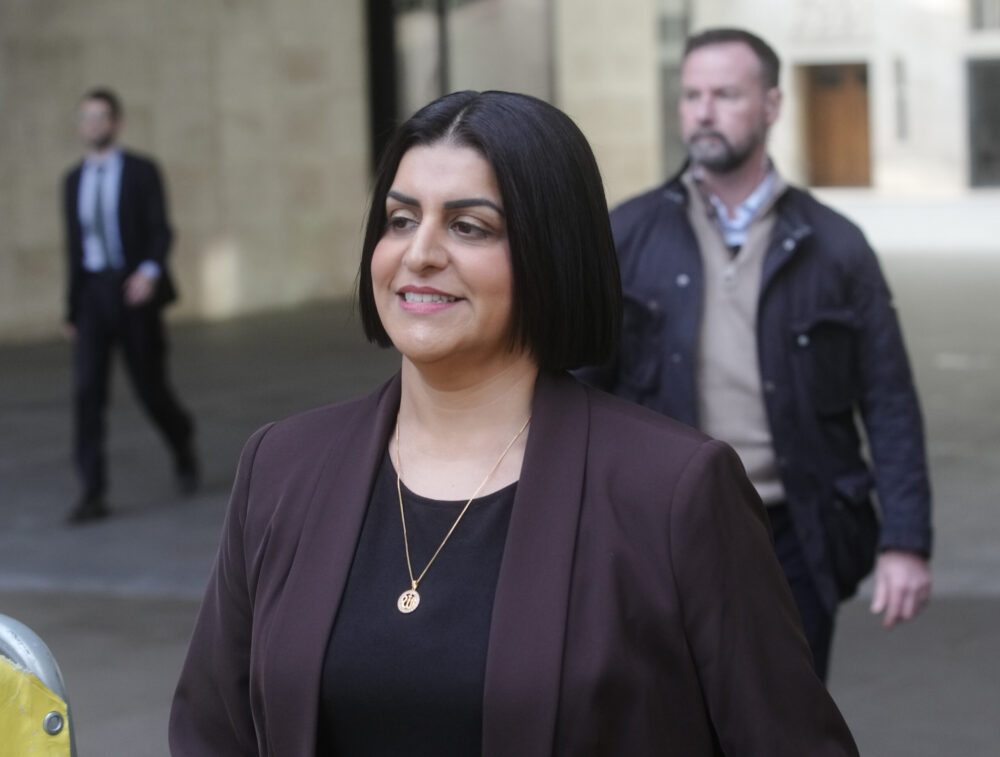
The Home Secretary set out details to end automatic settlement status after five years in November.
It means the 1.35 million legal migrants already in the country – nearly a quarter of whom are children, according to the Institute for Public Policy Research (IPPR) – would be forced to wait longer for settled status.
Under the proposed changes, conditions will be set for migrants to apply for settled status after 10 years, and they could be fast-tracked or forced to wait longer depending on their “contributions” to the UK.
People who work in public services, like doctors and nurses, or who pay a higher level of tax, could qualify for settlement after five years, under the plans.
But lower-qualified workers who arrived on health and social care visas during the “Boris wave” from 2022 could have to wait 15 years.
Those who are on benefits could have to wait 20 years before applying for settlement.
The IPPR said Shabana Mahmood’s proposals would cause insecurity for families, with damaging consequences for integration, educational opportunities and child poverty.
If applied retrospectively, the changes could penalise people who arrived under different rules, the think tank said.
Marley Morris, associate director for migration trade and communities at IPPR, said children of legal migrants face growing up with prolonged insecurity.
Mr Morris continued: “Families who were welcomed to the UK under one set of rules should not have the goalposts moved part way through their journey.
“It’s simply unfair to apply these rules retrospectively. For the 300,000 children affected, this is not an abstract policy change. They face growing up with prolonged insecurity, with many facing new barriers to going to university once they turn 18.
“If the Government is serious about integration and tackling child poverty, it cannot design a system that keeps families and children, many of whom will eventually become our fellow citizens, in limbo for a decade or more.”
‘Callous’
Dora-Olivia Vicol, chief executive of charity Work Rights Centre, has described the change in wait time for settlement as “callous” and a “betrayal” of migrant communities.
“It won’t make the system fairer or promote integration,” she said previously.
“It will just keep people on high-risk employer-tied visas for longer, and drive wedges between communities.”
Support our Nation today
For the price of a cup of coffee a month you can help us create an independent, not-for-profit, national news service for the people of Wales, by the people of Wales.



We had horrid Conservative Priti Patel then Suella Braverman as Home Secretary attack the most vulnerable in society. And now we have another in blue Labour Shabana Mahmood whose ideology is right out of repulsive Robert Jenrick’s playbook on how to remove Disney characters from a child asylum seeker reception center because it was too welcoming. This is why Labour are in chaos because they have wandered into Reform UK territory. Dance with the devil you get burnt. And less those in Labour forget. Your party was founded in 1900 to fight for not only the working poor, workers rights,… Read more »