


Let very hungry caterpillars nibble plants, gardeners urged in moth campaign
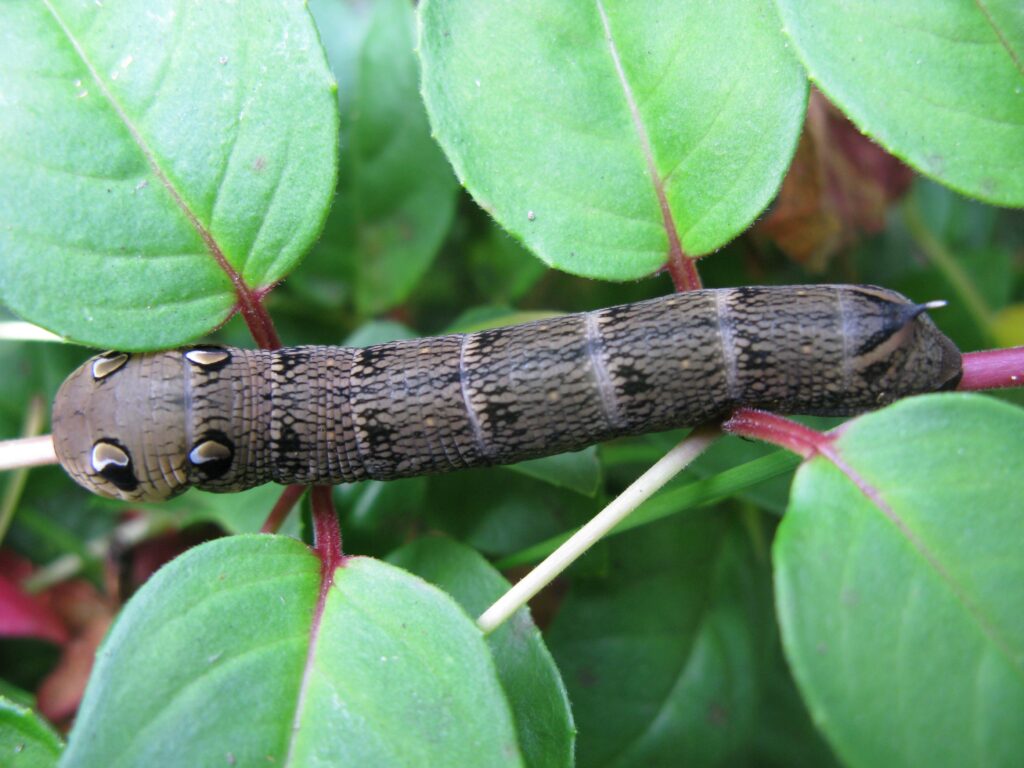
First it was “love your slugs”, now conservationists and horticulturalists are teaming up to urge gardeners to let caterpillars feast this spring.
The Royal Horticultural Society (RHS) and the Wildlife Trusts’ annual wild about gardens campaign is this year encouraging people to support moths in their gardens – including their “very hungry caterpillars”.
The two organisations are highlighting the 2,500 species of moth found in the UK, which are vital pollinators, a source of food for a host of other wildlife including birds and bats, and an important indicator of the overall health of the environment.
But numbers have fallen by a third since the 1960s because of the UK becoming increasingly built-up, climate change and pollution, they warn.
The RHS and the Wildlife Trusts’ annual campaign has previously urged gardeners to rethink their relationship with traditional foes slugs and snails, which they said were nature’s clean up crew and a key food source, with only a “small fraction” of the 150 species in the UK posing a problem in gardens.
Now the two organisations are asking green-fingered householders to put up with a bit of nibbling of plants and choose blooms and greenery that support moths and their caterpillars.
While some moth caterpillars feed on a range of plants, others are pickier eaters feeding on just one or a handful of species.
Some adult moths do not eat at all, relying on their reserves from their larval stage.
Some caterpillars are so small they live within plant leaves, while others are camouflaged as twigs, bark or bird droppings.
While moths are largely nocturnal, around 150 species are active during the day, and some have striking colours, including the pink and olive green elephant hawk moths and Jersey tiger moths which have red, cream and black markings, the two organisations said.
The campaign to support “magical moths” suggests gardeners should allow for nibbling on vegetable crops and ornamental plants as caterpillars fatten up for their transformation into moths.
Householders can also plant native trees and shrubs that host a broad range of caterpillar species, including willow, honeysuckle, foxgloves, Verbascum, comfrey, Majoram, bedstraw and sweet William.
And the campaign recommends making a “night-time nectar bar” featuring plants that are at their best at dusk, to provide for the hundreds of species of nocturnal moths, such as sweet rocket, tobacco plants (nicotiana), jasmine and white campion.
Helen Bostock, RHS senior wildlife expert, said: “Moths have long played second fiddle to butterflies in the garden but understanding their value and needs, and that of their very hungry caterpillars, can support their recovery and help in creating a garden rich in biodiversity.”
Vicki Hird, insect expert at The Wildlife Trusts, said: “Moths are stunning in name and beautiful by nature.
“The green, black and white Merveille du Jour looks as if it’s been exquisitely painted by an artist, and the White Ermine appears to be causally draped in a black-spotted cloak with a warm fur ruff.
“It’s no wonder the French call moths ‘butterflies of the night’.
“Even little brown moths can have wonderful, intricate markings.”
And she said: “Making a simple moth trap is a wonderful way of enjoying these incredible creatures up close – before releasing it back into the wild.
“Let’s all help them in our gardens and enjoy the benefits they bring,” she urged.
Support our Nation today
For the price of a cup of coffee a month you can help us create an independent, not-for-profit, national news service for the people of Wales, by the people of Wales.


