


Listed church hall building designed by Portmeirion architect could become holiday let
Dale Spridgeon Local Democracy Reporter
A listed church building designed by one of Wales’ most famous architects is being considered for conversion into holiday accommodation.
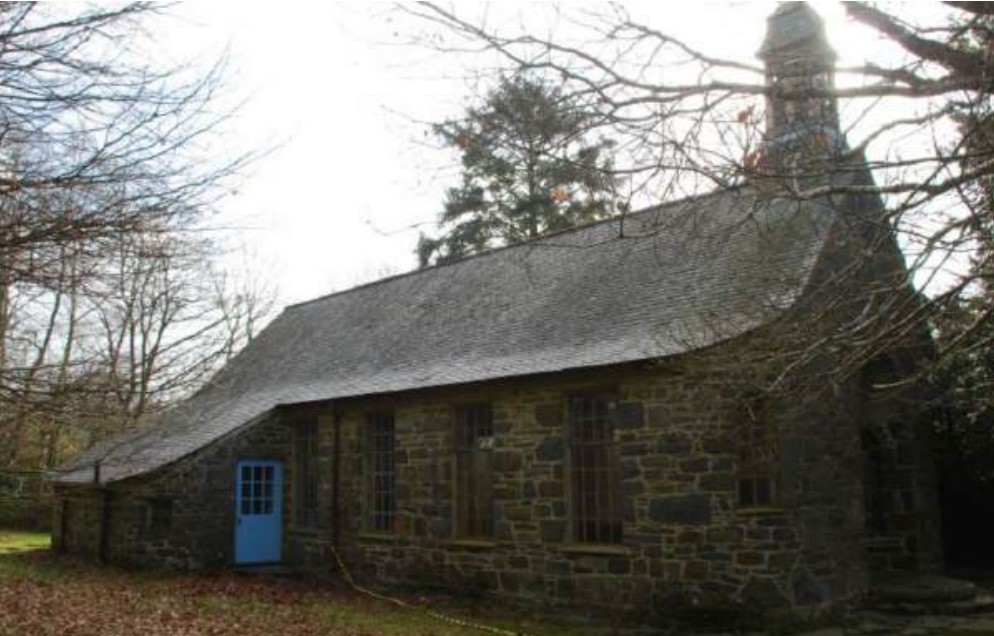
Sir Clough Williams-Ellis is world renowned as the genius behind the Italianate village Portmeirion but fewer people know that he also designed Pentrefelin Church Hall, near Criccieth.
The now disused Grade II listed hall was built in 1935 and has served as both a church and a church hall over the years.
Cyngor Gwynedd has now received an application for listed building consent over internal and external alterations to convert the building into a holiday unit, as well as a full application for the scheme.
The building is set back from the Porthmadog to Criccieth road and is accessible via a short path leading to higher ground north of the village.
Details about the building and its history have come in a heritage impact assessment by Adfer Conservation.
The report describes how in the early 20th century, the medieval church of St Cynhaearn was considered too remote for regular use.
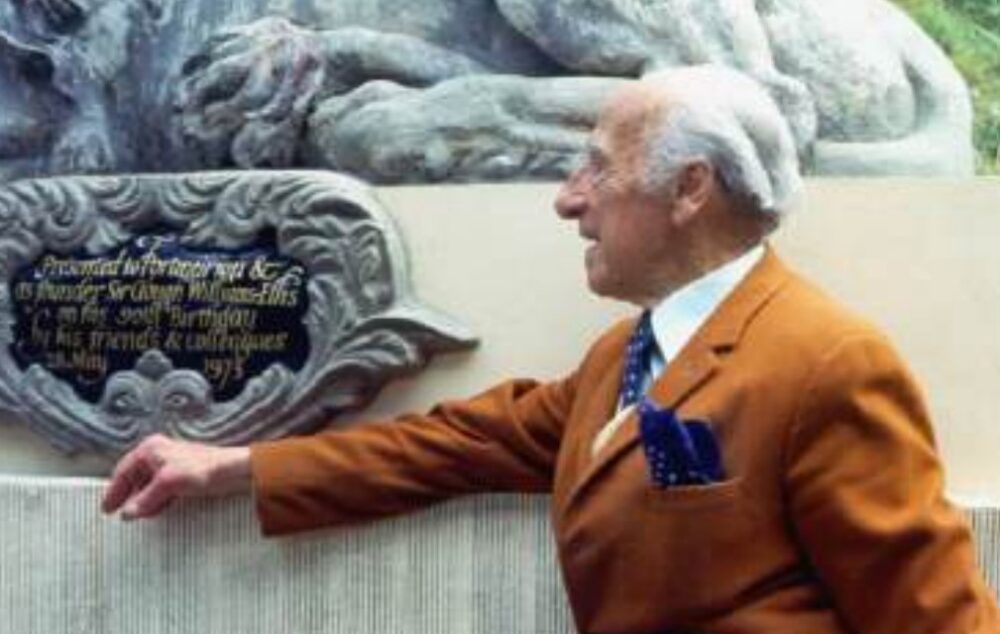
Sir Williams-Ellis, whose family had deep roots in the area, was commissioned by the diocese to build a substitute closer to the village centre.
The hall is relatively close to Llys Cynhaearn, a Grade II listed former parsonage built around 1913, also designed by Sir Williams-Ellis.
Known for his picturesque work employing arts and crafts influences, the plans say these details can be clearly seen in the hall.
After 75 years as a church and church hall, societal change and use of Y Ganolfan, once the village school, as a meeting place and community centre, the church hall’s use became redundant.
The report says the development of the church hall “represented a shift in how people worshipped, and a move towards newer, purpose-built buildings closer to the heart of the community”.
It added that it also holds “high significance in terms of historical value”.
It is also described as a “picturesque, vernacular, purpose-built church/church hall, very much of its era”.
The plans add: “Its rounded corners and sprocketed roofs of small slates, together with the bell tower above, all contribute to its aesthetic.”
Now redundant, planning documents add: “The building has been purchased by the applicant for use as a holiday let.”
The plans say the external “envelope” will remain largely unchanged, while the interior will be “carefully and sensitively adapted”.
It added that “internally it is proposed to create three bedrooms, and an open plan kitchen/diner/living space”.
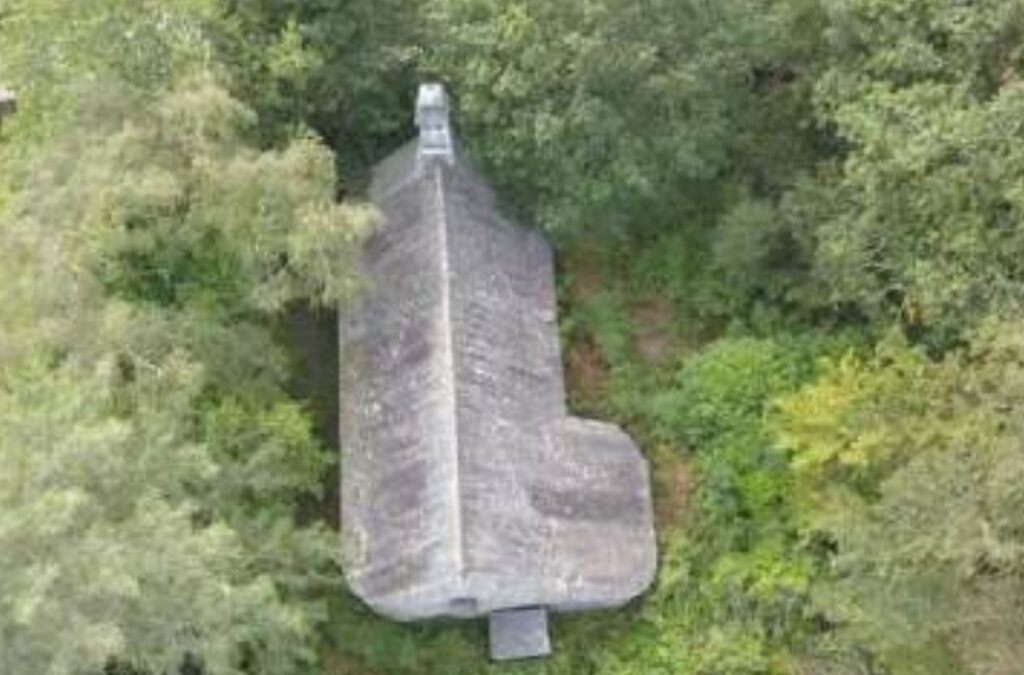
The documents added: “One bedroom is proposed in the former secondary space to the side and rear of the building, another within the raised chancel area, and another within the main body of the church.
“The interior space is currently largely open plan. The main entrance is accessed from the west end by a recessed door set within a splayed approach.
“There is another, secondary entrance to the side which accesses the existing kitchen space. There is a small toilet to the side of the raised chancel area.
“Part of the interior character can be attributed to the open design, and the simple, yet elegant design of the ceiling. It was important to retain this open design as part of the change of use.
“The remaining space within the body of the church hall is to be used as the main living space within the holiday let. The space will comprise of a bespoke kitchen.”
Parquet flooring will also remain in the main body of the building and it was noted that “every effort has been made to retain as much historic character as possible”.
There was “no intention” to alter windows, however, use of a log burner for heating the main space would have the “regrettable consequence of having to have an appropriate flue”.
The flue would “pierce the slated roof” and extend upwards but would be powder coated black “to reduce its impact”.
Support our Nation today
For the price of a cup of coffee a month you can help us create an independent, not-for-profit, national news service for the people of Wales, by the people of Wales.
Get more trusted Welsh news
Choose Nation.Cymru as a preferred source in Google News to see more of our journalism.


