


Livestock farmers ‘could boost profits’ with shift towards environmental work
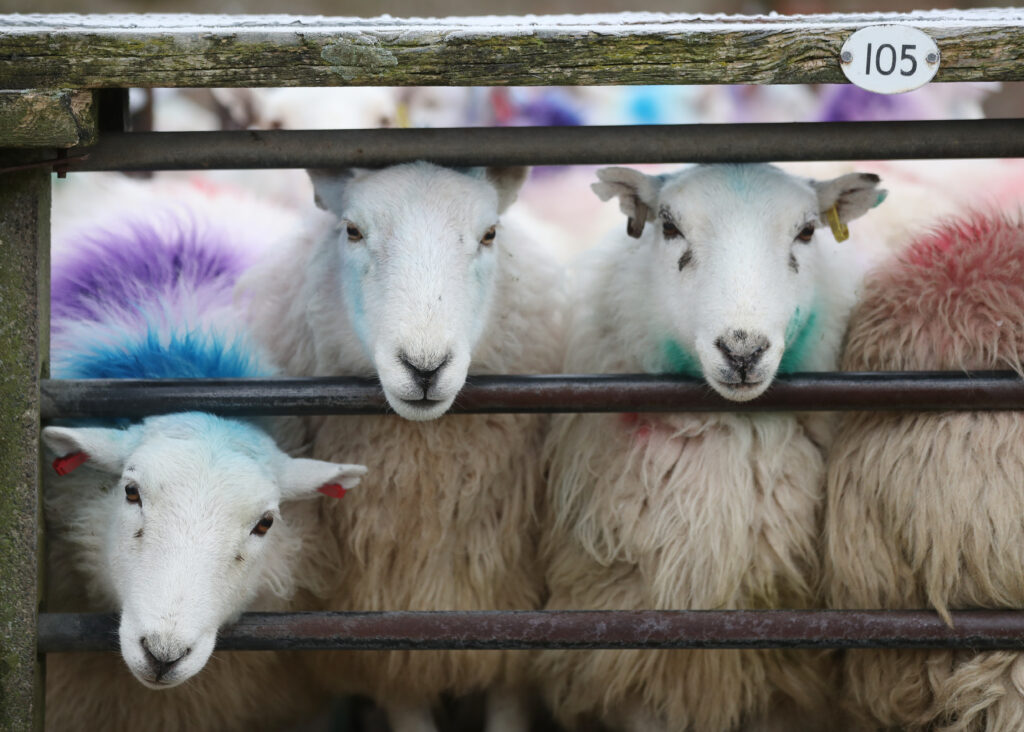
Livestock farmers could be more profitable if they shift towards providing environmental benefits such as creating wildlife habitat, analysis suggests.
Analysis by environmental think tank Green Alliance suggests that while the amount of meat people are eating in the UK has dropped over the past 20 years, production has not followed suit – yet livestock farmers often struggle to be profitable.
The assessment suggests that reducing livestock numbers could help create more space and time for farmers to tap into more lucrative income streams on their land, such as payments for peatland restoration or creating wildlife habitat, while also reducing the climate impact of meat production.
Eating less meat, such as processed or red meat, is recommended by the NHS to reduce the risk of heart disease and cancer, while the advisory Climate Change Committee (CCC) recommends cutting meat consumption to reduce greenhouse gas emissions and free up land for carbon storage.
Although people report eating less pork and beef in recent years, production of both meats has grown as farmers export their produce, while lamb consumption has fallen eight times faster than production levels, Green Alliance said.
Only poultry bucks the trend, with the rise in the amount eaten outstripping an increase in production.
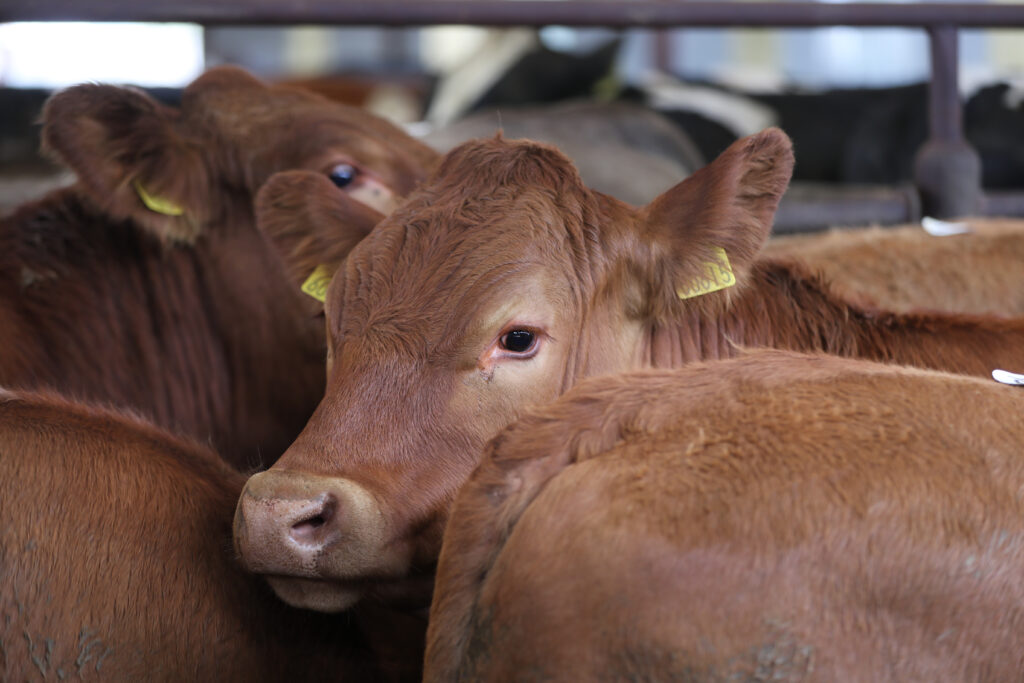
The think tank’s analysis of farm income data shows that while poultry and pork production, which tends to take place in specialist units, is typically profitable, grazing livestock such as beef and lamb does not deliver a profit.
Many farms have been kept profitable with EU-era agricultural subsidies – although these are due to end in 2027 – alongside diversifying into other businesses such as holiday lets or renewables, and signing up to agri-environment schemes that pay farmers to deliver benefits for nature.
Green Alliance suggests that aligning the level of production with reduced beef and lamb consumption could increase the profitability of farms because lowering livestock numbers could create more time and space for farmers to tap into other income streams.
But the Government must give these farms more opportunity to earn income through delivering “public goods” such as clean water, healthy soils and wildlife habitat through its “environmental land management” scheme (Elms) as the old EU subsidies are phased out, Green Alliance argues.
The Government must significantly expand the more ambitious “higher tier” and landscape recovery funding schemes, particularly in upland areas and where food production is not profitable, so farmers can be paid for work that benefits water quality, addresses climate change and supports wildlife.
The think tank also called for publication of a planned land use framework, to guide such schemes, and for the Government to use its food strategy to give more people access to healthy, sustainable diets – including supporting horticulture to produce more UK-grown fruit and vegetables.
Lydia Collas, head of natural environment at Green Alliance, said: “British people are eating less meat than they were 20 years ago, which is good for their health and the planet’s.
“If this trend continues, people will rightly question how this will affect farmers.
“Our research suggests that if some British beef and lamb farmers produce a bit less meat and do more to improve the environment instead, they could actually increase the profitability of their farms.
“Meanwhile, we’d all benefit as farmers would help wildlife recover, improve water quality and prevent flooding.”
National Farmers’ Union deputy president David Exwood said: “British farmers are proud to produce sustainable food to some of the highest standards in order to feed 70 million consumers here in the UK and to export around the world.
“To continue doing this, we need policies that will drive competitiveness and profitability, which are critical elements of thriving and resilient farming businesses, meet environmental goals and are crucial to achieving the Government’s own targets for economic growth.”
He said the rollout of the sustainable farming incentive (SFI) would be crucial, a scheme which pays farmers for nature-friendly actions such as insecticide-free land management and creating habitat.
The Government has announced that the SFI programme will reopen for applications in two waves starting in June, following its abrupt closure last spring and reforms designed to make it simpler, fairer and more stable.
But Mr Exwood warned: “There still remains a huge lack of detail that farmers urgently need and this uncertainty continues to undermine farmers’ confidence, ability to invest and do the best for their business.”
Support our Nation today
For the price of a cup of coffee a month you can help us create an independent, not-for-profit, national news service for the people of Wales, by the people of Wales.


