


Local authority recorded seven fly-tipping clear-ups per day in 2025
Richard Youle, Local Democracy Reporter
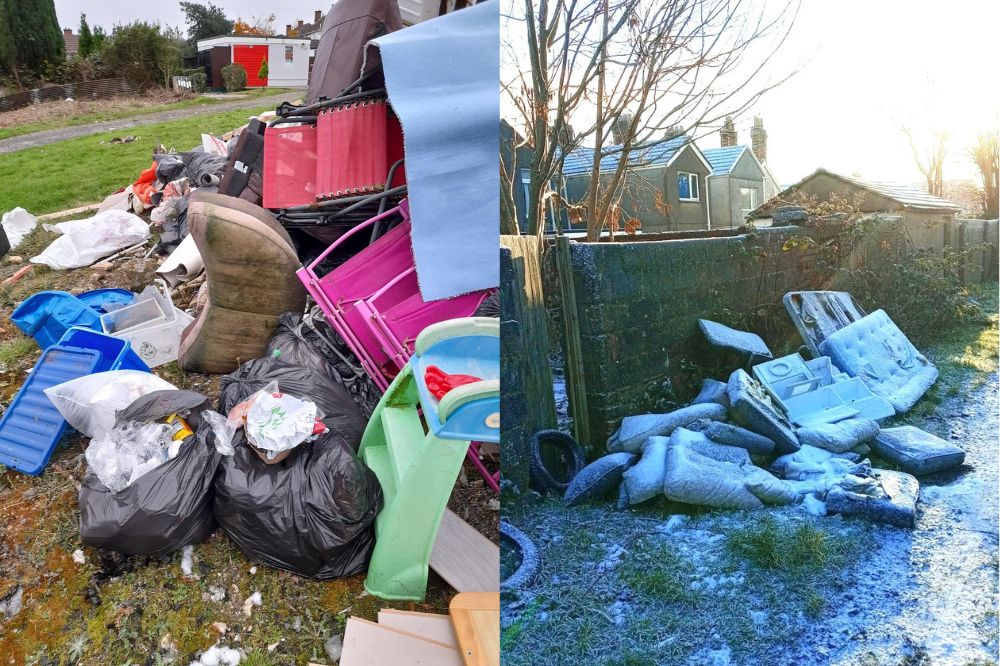
Fly-tipped rubbish was cleared up an average of seven times a day in one Welsh county last year, new figures show.
In Swansea, there were 2,579 recorded incidents where waste was removed across the county during 2024-25. The mess left on streets and in the countryside has been described as a blight on communities, while also consuming council resources that could be deployed elsewhere.
The number was given in answer to a written question to the council by Cllrs Peter Black, Sam Bennett and Tony Fitzgerald.
Cllr Black said he regularly reported fly-tipped rubbish in his Cwmbrwla ward and reckoned the area looked better as a result as it helped the council keep on top of it.
The Liberal Democrat councillor urged people to dispose of rubbish responsibly and, while welcoming a planned £250,000 increase in the council’s fly-tipping and enforcement budget in 2026-27, said more enforcement was key.
Referring to fly-tipped rubbish, Cllr Black said: “This is costing the council a fortune, and it brings an area down.”
The highest number of incidents in 2024-25 were in more populous wards. Uplands had the most with 427, followed in joint second by Castle – covering a swathe of the city centre and Mount Pleasant – and Townhill, both with 345. Uplands and Castle have a lot of houses of multiple occupation and student accommodation.
Six of 43 areas listed in the council’s response didn’t have any fly-tipped rubbish removed.
The response said 75 fines were issued, 13 of which weren’t paid while eight others were withdrawn. The 75 fines included one for dog fouling – in Mynyddbach – as well as for fly-tipped rubbish. Also included were three fines issued to dog owners whose animals were on beaches with a ban in force.
There were five council prosecutions – three in Penderry, one in Cwmbwrla, and one in Gorseinon and Penyrheol.
Fly-tipping can include a couple of black bags to larger-scale dumping. Another public body which gets involved is environment regulator Natural Resources Wales, which tends to deal with larger-scale offences posing a risk to environmental or human health.
Wales’s 22 local authorities recorded 42,171 fly-tipping incidents in 2023-24, according to data on the website StatsWales, with Swansea recording a figure of 2,485. Dealing with all that rubbish cost councils £1.93 million that year. The cost for Swansea was £118,872.
A breakdown by area of the 2,579 fly-tipping incidents in Swansea:
- Bishopston 6
- Bonymaen 71
- Castle 345
- Clydach 52
- Cockett 42
- Cwmbrla 138
- Fairwood 16
- Gorseinon 2
- Gower 9
- Gowerton 23
- Killay North 1
- Killay South 1
- Landore 123
- Llangyfelach 15
- Llansamlet 69
- Mawr 16
- Mayals 14
- Morriston 139
- Mynyddbach 136
- Penclawdd 2
- Penderry 147
- Penllergaer 18
- Pennard 4
- Penyrheol 1
- Pontarddulais 28
- St Thomas 6
- Sketty 85
- Townhill 345
- Uplands 427
- West Cross 40
- Waterfront 18
- Waunarlwydd 26
- Dunvant & Killay 11
- Pontlliw & Tircoed 9
- Gorseinon & Penryheol 74
- Llwchwr 40
- Mumbles 18
The areas with no fly-tipping recorded:
- Dunvant
- Kingsbridge
- Lower Loughor
- Upper Loughor
- Newton
- Oystermouth
Support our Nation today
For the price of a cup of coffee a month you can help us create an independent, not-for-profit, national news service for the people of Wales, by the people of Wales.


