


Long waits for autism assessments in Wales leave thousands without answers

Stephen Price
Thousands of people in Wales are waiting months, and often years, for an autism assessment, as NHS neurodevelopmental services continue to struggle under unprecedented demand.
According to Senedd Research, 67% of children and young people in Wales who are referred for an autism or ADHD assessment had been waiting more than 26 weeks as of June 2023, while nearly half (45 per cent) had been waiting over a year.
For adults seeking an autism diagnosis, the situation is even more challenging. There is no formal waiting-time target for adult autism assessments in Wales, and the average wait across some health boards has been reported at over 95 weeks, almost two years.
“A postcode lottery” for diagnosis
Waiting times vary dramatically between health boards. In Hywel Dda University Health Board, which covers Carmarthenshire, Ceredigion and Pembrokeshire, the average wait for an adult autism or ADHD assessment was 75 weeks, as of the 31st March 2024.
The Welsh Government’s target is for 80 per cent of children and young people to receive an initial neurodevelopmental assessment within 26 weeks, but that standard has not been met for several years. For adults, there is currently no national performance measure in place.
Rising demand and limited capacity
Clinicians say the surge in demand for autism assessments has been driven by increased public awareness, better understanding of autism in women and girls, and the inclusion of high-masking or late-diagnosed adults.
Senedd Research shows that between 2019 and 2022, referrals for autism assessments rose sharply, while the number of completed assessments did not keep pace. Services cite staff shortages, funding pressures and inconsistent provision across Wales as key factors behind the backlog.
In February 2025, the Welsh Government announced a further £13.7 million investment to improve and expand neurodivergence services, including autism and ADHD assessments, under the Neurodivergence Improvement Programme. The funding aims to support staff recruitment, early-help pathways, and a “needs-led” approach to care.
Human cost of delay
Autism advocates warn that extended waits can leave people and families in limbo, unable to access specialist education, workplace adjustments, or appropriate mental-health support. For many, diagnosis is key to self-understanding and accessing services.
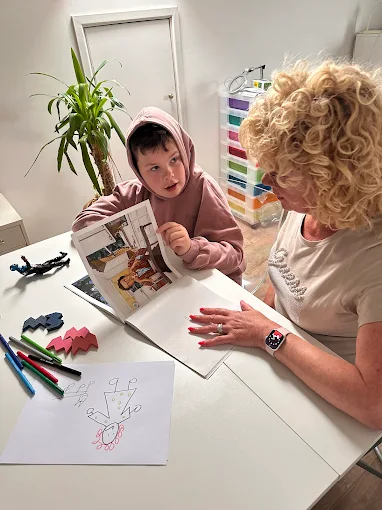
Jo Condon, Director of Jo Condon, who provides private Autism & ADHD Assessments and is based near Tredegar said: “As someone who founded my practice here in Wales and has worked closely with individuals and families across the country, I see every day how delays in autism assessment affect people’s lives.
“For many, a diagnosis isn’t simply a label, it’s the key to understanding themselves, accessing support, and planning for the future.
The need for timely, high-quality assessments has never been greater. While increased investment is welcome, what people in Wales really need is a pathway that is consistent, accessible, and compassionate, wherever they live.”
Officials say the new investment will help transform diagnostic and support services by 2027, but experts caution that funding alone may not resolve the crisis.
Long-term improvements will depend on workforce capacity, data consistency, and ensuring that adult and child services are equally prioritised.
With waiting lists continuing to grow, campaigners argue that thousands of people in Wales remain without the clarity and support that a timely autism diagnosis can provide, driving many to rely on the services of private Autism and ADHD assessments.
Support our Nation today
For the price of a cup of coffee a month you can help us create an independent, not-for-profit, national news service for the people of Wales, by the people of Wales.



Two years, 5 months for my diagnosis, not including the thirty-five years or so since I really should have been diagnosed.