


Low carbon power station in north Wales a step closer
Alec Doyle Local Democracy Reporter
A major low-carbon power station in north Wales has cleared two vital initial planning hurdles.
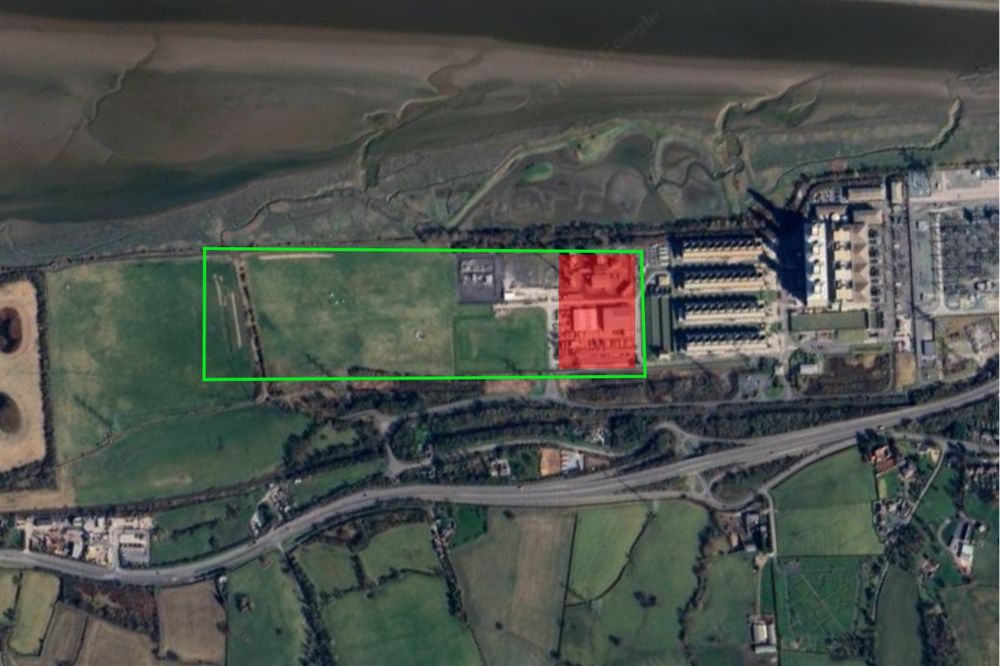
The plant – an extension to the current power station in Connah’s Quay – has secured confirmation through a screening assessment from Flintshire County Council that its plans to demolish the existing gas treatment plant next to the power station to make way for the new development are sound.
At the same time Planning and Environment Decisions Wales (PEDW) – formerly the Planning Inspectorate for Wales – has agreed to examine its Development Consent Order on behalf of the Secretary of State for Wales.
These approvals are critical to the progress of the plans, which are classed as a National Infrastructure Project and will see the Connah’s Quay power station site on the banks of the River Dee increase by around a third.
Process
This week Flintshire’s Local Planning Authority’s screening opinion – a pre-application process where the LPA can give guidance on key considerations prior to the full application – confirmed that no Environmental Impact Assessment would be required for the gas treatment plant demolition work.
PEDW will now appoint an examining authority – a panel of independent experts – to carry out a detailed review of the proposals and make recommendations to the Secretary of State to help them decide whether the plans will progress further.
The proposed new power station, known as Connah’s Quay Low Carbon Power (CQLCP), would be built adjacent to the existing power station.
Capable of generating up to 1.38GW of low carbon power – enough to power arouns 1.4 million homes, the site expansion will include carbon capture technology to collect carbon emissions and pump them into the HyNet Carbon pipeline, where it will be stored in gas wells under the Irish Sea.
Site owners Uniper intend to build the plant in two stages. The first phase will deliver half the final total power output by 2030, with the second phase completing the project later on.
“Huge milestone”
Uniper’s Project Manager for the CQLCP, Helen Rogers, said: “The acceptance of the DCO application is a huge milestone.
“We now move into the pre-examination phase. We’re grateful for the valuable feedback we received during our consultation period, which has helped shape and refine our plans. We’re committed to developing this project in a responsible and transparent way.
“We look forward to continuing our engagement with communities, regulators, and other stakeholders as the application progresses through the process.”
Support our Nation today
For the price of a cup of coffee a month you can help us create an independent, not-for-profit, national news service for the people of Wales, by the people of Wales.



This article rather sidesteps the question of what is this new low-carbon power plant going to actually be powered by.