


Low employment rate and low wages ‘limiting Welsh Government’s ability to fund public services’
Martin Shipton
A low employment rate coupled with low salaries is impeding the Welsh Government’s ability to fund public services, according to a new report from a leading think tank.
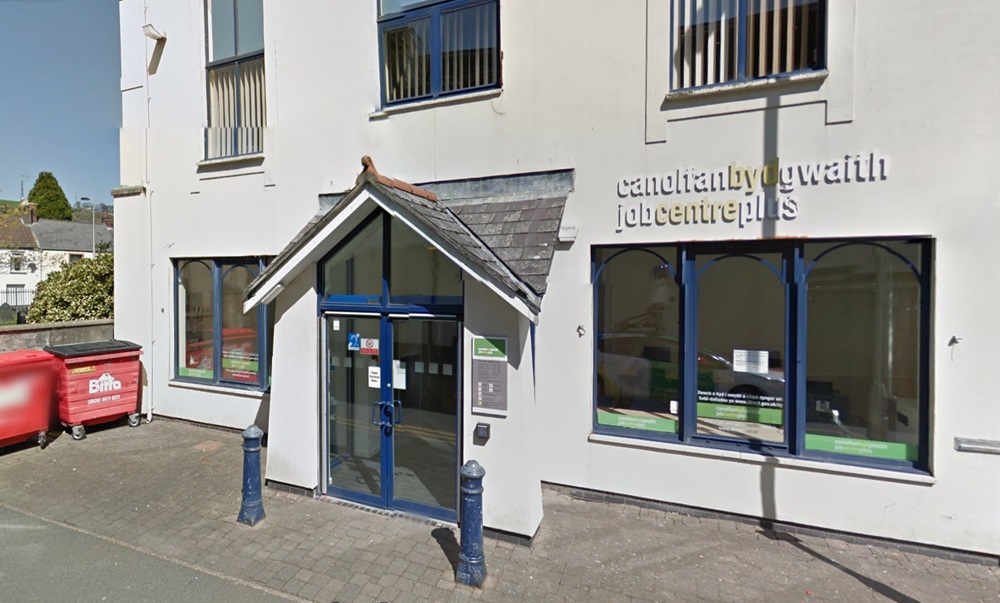
The Institute for Fiscal Studies (IFS) says the Welsh Government aims to increase employment and earnings as part of its Plan for Employability and Skills, and in order to help generate additional tax revenues that can help fund public services and investment.
It also aims to reduce inequalities in employment and earnings, and has clear objectives to reduce rates of child poverty.
The report – Labour Market, Living Standards and Poverty Trends in Wales – documents how earnings and employment have evolved over time, and how these compare within Wales, and between Wales and the rest of the UK (rUK).
Wales has one of the lowest employment rates in the UK: 71.4% of 16–64 year olds were in work in 2025, compared to 75.1% across the UK. This four percentage point gap compared with the UK as a whole is slightly down from five percentage points in the late 1990s.
However, after narrowing during the 2000s and 2010s, the employment gap had mostly been closed prior to the Covid-19 pandemic, since when the employment rate has fallen in Wales while remaining stable in the rUK, reopening the gap.
Median monthly earnings for employees in Wales were £2,401 in 2025, around 5% below the UK figure of £2,526. Welsh earnings are lower than in the UK as a whole across the earnings distribution, but the gap is especially pronounced towards the top of the distribution.
Growth in median monthly earnings has broadly tracked the UK over the last decade, with Wales experiencing average real-terms growth of 1.3% a year since 2015, compared to 1.2% across the UK as a whole.
Geographical inequality
While Wales consistently lags behind the UK in terms of earnings and employment, there is significant geographical inequality within Wales. Areas in the south east and north east typically have higher median earnings, with rural areas in Wales lagging behind.
Employment rates remain lowest in the post-industrial South Wales Valleys, but the last two decades have seen lower-employment regions close some of the gap with higher-employment regions.
Median annual household net income in Wales stood at £35,701 (£2,975 per month) in the latest data, compared to £37,790 (£3,149 per month) across the UK – a gap of about £2,100 or a little under 6%. Wales has lower housing costs than the rUK, and after deducting housing costs, the gap in average incomes falls to a little over 3%.
Like the rUK, Wales has seen weak income growth since the late 2000s, with average real terms increases of just 0.7% a year since the early 2010s and little progress since the pandemic.
Income inequality is lower in Wales than in the rUK, but this is because the gap in incomes between Wales and the rUK is particularly large at the top of the distribution, and not because poorer and middle-income households are better off.
Incomes in Wales are also lower at every point in the distribution: compared with the rUK, they are roughly 4% lower at the 10th percentile, but 13% lower at the 90th percentile, though we do not have fully up-to-date data on income inequality within Wales.
Relative poverty
Around 22% of people in Wales were in relative poverty after housing costs in the latest data, slightly above the 20% UK average. Relative poverty gives the proportion with household incomes below 60% of the UK-wide median after adjusting for household size.
Prior to a revision in how the poverty rate was measured, the Welsh poverty rate had hovered between 22% and 24% since the mid-2000s, having fallen from 27% in the early 1990s. Poverty in Wales has generally been 1–2 percentage points above the rUK in recent decades, and if not for lower housing costs, this gap would be larger.
Like the rUK, Wales has recently seen sharp rises in the proportion of households reporting they are unable to afford heating or pay their bills, or are experiencing food insecurity, which are not reflected in income poverty statistics. Estimates of poverty are always somewhat volatile at a regional level, and there is substantial statistical uncertainty associated with them.
The rate of child poverty in Wales is a little higher than the UK average: 32% of children were in relative poverty after housing costs in the latest data, compared to 28% across the UK. The Welsh Government’s child poverty strategy is broad in scope, and focused on closing broader inequalities between richer and poorer children’s opportunities, education health and environments, rather than focusing on income poverty.
The report states: “Such a broad range of objectives is perfectly legitimate, but can make it difficult to assess progress in the absence of a primary focus. The Welsh Government should be clearer on which objectives it is aiming to prioritise, reflecting both its view of which are most important, and which it has the most power to achieve. Few of the measures announced so far look likely to make a large difference to child income poverty in the short term, not least because the main levers over benefits policy remain reserved to Westminster.”
Jed Michael, a research economist at the IFS and co-author of the report. Said: “After catching up during the first two decades of the 21st century, more recent data suggest Wales’s employment rate has fallen behind the rest of the UK. When combined with lower earnings, this lower employment rate means both lower average household incomes and a slightly higher poverty rate than the UK as a whole – despite lower housing costs.
“The Welsh Government and Senedd have made improving living standards and reducing child poverty key goals enshrined in law as part of the Wellbeing of Future Generations Act.
“Improving productivity, earnings and employment will be key to meeting these goals – not least because under current devolution arrangements, the Welsh Government has limited control over benefits, which are generally the most direct way to boost the income of low-income households.”
Support our Nation today
For the price of a cup of coffee a month you can help us create an independent, not-for-profit, national news service for the people of Wales, by the people of Wales.


